EasyManua.ls Logo

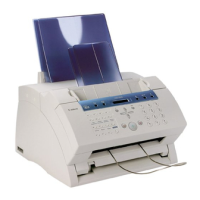
Canon FAX-L220 - User Manual

Canon FAX-L220
202 pages
Print Icon
To Next Page IconTo Next Page
Loading...
FAX-L220/L295
User’s Guide
Canon

Table of Contents

Question and Answer IconNeed help?

Do you have a question about the Canon FAX-L220 and is the answer not in the manual?

Summary

Chapter 1: Introduction

Type Conventions

Instructions on understanding symbols and terms used throughout the manual.

Customer Support

Information on how to get assistance for FAX operation and troubleshooting.

Important Safety Instructions

Essential safety guidelines for operating and maintaining the FAX unit.

Location and Power Supply

Proper placement and power connection for optimal FAX performance and safety.

Chapter 2: Setting Up

Unpacking the FAX

Steps for opening the box and identifying all included FAX components.

Removing Shipping Materials

Procedure for removing protective materials from the FAX unit before setup.

Assembling the FAX

Instructions for physically assembling the FAX unit by attaching various parts.

Making Connections

Steps for connecting telephone lines and external devices to the FAX.

Setting the Language and Country

Configuring the FAX's display language and regional settings after initial power-up.

Main Components of the FAX

Identification of the main physical parts and functional areas of the FAX machine.

Operation Panel

Explanation of the FAX's control panel, buttons, and LCD display functions.

Installing the Toner Cartridge

Procedure for installing a new toner cartridge into the FAX unit.

Loading Paper

Instructions on how to load plain paper into the FAX's multipurpose tray.

Testing the FAX

Steps to verify the FAX is functioning correctly after setup and installation.

Chapter 3: Registering Information

Data Entry Guidelines

Instructions on using the keypad for character input and correcting entry errors.

Registering Sender Information

Setting up personal details for outgoing faxes, including date, time, and contact information.

Setting the Telephone Line Type

Configuring the FAX to match the specific telephone line system for proper operation.

Dialling Through a Switchboard

Registering PBX access numbers and settings for switchboard connections.

Setting the Summer Time

Adjusting the FAX clock for daylight saving time changes based on regional rules.

Chapter 4: Document Handling

Document Requirements

Specifications for document size, quantity, thickness, and weight for the ADF.

Loading and Adding Documents

Procedures for correctly loading single or multiple pages into the Automatic Document Feeder (ADF).

Chapter 5: Paper Handling

Paper Requirements and Printable Area

Details on paper types, sizes, weight, and the printable area specifications.

Selecting and Loading Paper

Guidelines for choosing appropriate paper and the steps for loading it into the multipurpose tray.

Paper Delivery Options

Configuration of paper output slots (faceup or facedown) for different tasks.

Changing Paper Size and Toner Saver

Adjusting the paper size setting and enabling/disabling the toner saving feature.

Chapter 6: Speed Dialling

Understanding Speed Dialling

Explanation of speed dialling and its various methods for efficient number dialing.

Registering Speed Dialling Entries

Procedures for registering one-touch, coded, and group speed dialling numbers.

Using Speed Dialling

Sending documents and making calls using registered speed dialling entries.

Dialling with the Directory

Looking up and dialling contacts by name using the directory function.

Printing Speed Dialling Lists

Generating lists of registered speed dialling numbers for reference.

Chapter 7: Sending Faxes

Preparing to Send a Fax

Setting up scanning resolution, contrast, and understanding document types before sending.

Sending Methods

Methods for sending faxes, including memory and manual transmission via handset.

Managing Sending Operations

Procedures for cancelling transmissions and handling busy lines with redialling options.

Advanced Sending Features

Sending documents to multiple recipients and scheduling transmissions for later delivery.

Chapter 8: Receiving Faxes

Receiving Modes Overview

Overview of FAX receiving modes: FAX ONLY, Fax/Tel, MANUAL, and ANS.MACHINE.

Configuring Receiving Modes

Step-by-step instructions for setting up FAX ONLY, Fax/Tel, MANUAL, and ANS.MACHINE modes.

Managing Reception and Errors

Handling reception during other tasks, managing memory issues, and cancelling incoming faxes.

Chapter 9: Special Features

Special Dialling Features

Advanced dialling techniques like pauses, tone dialling, and switchboard operation.

Managing Documents in Memory

Procedures for printing, sending, and deleting documents stored in the FAX's memory.

Polling Operations

Functions for retrieving (receiving) and storing (sending) documents via polling.

Restricting FAX Usage and Reception

Enabling features to control outgoing calls/faxes and filter incoming reception.

Chapter 10: Copying

Copying Documents

Information on copyable documents and the process for making standard copies.

Making a Quick Single Copy

Expedited procedure for creating a single copy without adjusting settings.

Chapter 11: Reports and Lists

Summary of Reports and Lists

Overview of all available reports and lists that can be printed from the FAX.

Transaction Reports

Details on transmission, reception, and transaction reports for monitoring FAX activity.

Chapter 12: Maintenance

Periodic Cleaning Procedures

Step-by-step guides for cleaning the FAX's exterior, interior, and scanner components.

Replacing the Toner Cartridge

Instructions for removing and installing the FX3 toner cartridge when needed.

Chapter 13: Troubleshooting

Clearing Paper Jams

Procedures for clearing jams in the Automatic Document Feeder (ADF) and paper delivery areas.

Understanding LCD Messages

Explanations of common messages displayed on the LCD and their corresponding causes/actions.

Paper Feeding and Faxing Problems

Troubleshooting steps for issues related to paper feeding and sending/receiving faxes.

Copying, Telephone, and Printing Issues

Solutions for problems encountered during copying, telephone use, and printing.

General Issues and Power Outages

Addressing general operational problems, unresolved issues, and actions during power interruptions.

Chapter 14: Summary of Settings

Understanding and Accessing Menus

Overview of the FAX menu structure and how to navigate through settings.

Menu Settings Categories

Detailed breakdown of USER, REPORT, TX, RX, PRINTER, POLLING BOX, and SYSTEM settings.

Appendix A: Specifications

General Specifications

Technical details on power, weight, dimensions, and environmental conditions of the FAX.

Facsimile Specifications

Technical details related to the FAX's modem, transmission speed, and scanning capabilities.

Telephone and Printer Specifications

Specifications for telephone connection and the FAX's printer functionality.

Appendix B: FAXL295 Instructions

Introduction and Documentation

Overview, model differences, documentation guide, and unpacking instructions for the FAXL295.

PC Connectivity and Print Media

Connecting the FAX to a PC and guidelines for using various print media like envelopes and transparencies.

Loading Envelopes and Transparencies

Detailed procedures for loading envelopes and transparencies into the multipurpose tray.

Appendix C: Options

Optional Handset

Information on the optional handset, its package contents, installation, and maintenance.

Summary

Chapter 1: Introduction

Type Conventions

Instructions on understanding symbols and terms used throughout the manual.

Customer Support

Information on how to get assistance for FAX operation and troubleshooting.

Important Safety Instructions

Essential safety guidelines for operating and maintaining the FAX unit.

Location and Power Supply

Proper placement and power connection for optimal FAX performance and safety.

Chapter 2: Setting Up

Unpacking the FAX

Steps for opening the box and identifying all included FAX components.

Removing Shipping Materials

Procedure for removing protective materials from the FAX unit before setup.

Assembling the FAX

Instructions for physically assembling the FAX unit by attaching various parts.

Making Connections

Steps for connecting telephone lines and external devices to the FAX.

Setting the Language and Country

Configuring the FAX's display language and regional settings after initial power-up.

Main Components of the FAX

Identification of the main physical parts and functional areas of the FAX machine.

Operation Panel

Explanation of the FAX's control panel, buttons, and LCD display functions.

Installing the Toner Cartridge

Procedure for installing a new toner cartridge into the FAX unit.

Loading Paper

Instructions on how to load plain paper into the FAX's multipurpose tray.

Testing the FAX

Steps to verify the FAX is functioning correctly after setup and installation.

Chapter 3: Registering Information

Data Entry Guidelines

Instructions on using the keypad for character input and correcting entry errors.

Registering Sender Information

Setting up personal details for outgoing faxes, including date, time, and contact information.

Setting the Telephone Line Type

Configuring the FAX to match the specific telephone line system for proper operation.

Dialling Through a Switchboard

Registering PBX access numbers and settings for switchboard connections.

Setting the Summer Time

Adjusting the FAX clock for daylight saving time changes based on regional rules.

Chapter 4: Document Handling

Document Requirements

Specifications for document size, quantity, thickness, and weight for the ADF.

Loading and Adding Documents

Procedures for correctly loading single or multiple pages into the Automatic Document Feeder (ADF).

Chapter 5: Paper Handling

Paper Requirements and Printable Area

Details on paper types, sizes, weight, and the printable area specifications.

Selecting and Loading Paper

Guidelines for choosing appropriate paper and the steps for loading it into the multipurpose tray.

Paper Delivery Options

Configuration of paper output slots (faceup or facedown) for different tasks.

Changing Paper Size and Toner Saver

Adjusting the paper size setting and enabling/disabling the toner saving feature.

Chapter 6: Speed Dialling

Understanding Speed Dialling

Explanation of speed dialling and its various methods for efficient number dialing.

Registering Speed Dialling Entries

Procedures for registering one-touch, coded, and group speed dialling numbers.

Using Speed Dialling

Sending documents and making calls using registered speed dialling entries.

Dialling with the Directory

Looking up and dialling contacts by name using the directory function.

Printing Speed Dialling Lists

Generating lists of registered speed dialling numbers for reference.

Chapter 7: Sending Faxes

Preparing to Send a Fax

Setting up scanning resolution, contrast, and understanding document types before sending.

Sending Methods

Methods for sending faxes, including memory and manual transmission via handset.

Managing Sending Operations

Procedures for cancelling transmissions and handling busy lines with redialling options.

Advanced Sending Features

Sending documents to multiple recipients and scheduling transmissions for later delivery.

Chapter 8: Receiving Faxes

Receiving Modes Overview

Overview of FAX receiving modes: FAX ONLY, Fax/Tel, MANUAL, and ANS.MACHINE.

Configuring Receiving Modes

Step-by-step instructions for setting up FAX ONLY, Fax/Tel, MANUAL, and ANS.MACHINE modes.

Managing Reception and Errors

Handling reception during other tasks, managing memory issues, and cancelling incoming faxes.

Chapter 9: Special Features

Special Dialling Features

Advanced dialling techniques like pauses, tone dialling, and switchboard operation.

Managing Documents in Memory

Procedures for printing, sending, and deleting documents stored in the FAX's memory.

Polling Operations

Functions for retrieving (receiving) and storing (sending) documents via polling.

Restricting FAX Usage and Reception

Enabling features to control outgoing calls/faxes and filter incoming reception.

Chapter 10: Copying

Copying Documents

Information on copyable documents and the process for making standard copies.

Making a Quick Single Copy

Expedited procedure for creating a single copy without adjusting settings.

Chapter 11: Reports and Lists

Summary of Reports and Lists

Overview of all available reports and lists that can be printed from the FAX.

Transaction Reports

Details on transmission, reception, and transaction reports for monitoring FAX activity.

Chapter 12: Maintenance

Periodic Cleaning Procedures

Step-by-step guides for cleaning the FAX's exterior, interior, and scanner components.

Replacing the Toner Cartridge

Instructions for removing and installing the FX3 toner cartridge when needed.

Chapter 13: Troubleshooting

Clearing Paper Jams

Procedures for clearing jams in the Automatic Document Feeder (ADF) and paper delivery areas.

Understanding LCD Messages

Explanations of common messages displayed on the LCD and their corresponding causes/actions.

Paper Feeding and Faxing Problems

Troubleshooting steps for issues related to paper feeding and sending/receiving faxes.

Copying, Telephone, and Printing Issues

Solutions for problems encountered during copying, telephone use, and printing.

General Issues and Power Outages

Addressing general operational problems, unresolved issues, and actions during power interruptions.

Chapter 14: Summary of Settings

Understanding and Accessing Menus

Overview of the FAX menu structure and how to navigate through settings.

Menu Settings Categories

Detailed breakdown of USER, REPORT, TX, RX, PRINTER, POLLING BOX, and SYSTEM settings.

Appendix A: Specifications

General Specifications

Technical details on power, weight, dimensions, and environmental conditions of the FAX.

Facsimile Specifications

Technical details related to the FAX's modem, transmission speed, and scanning capabilities.

Telephone and Printer Specifications

Specifications for telephone connection and the FAX's printer functionality.

Appendix B: FAXL295 Instructions

Introduction and Documentation

Overview, model differences, documentation guide, and unpacking instructions for the FAXL295.

PC Connectivity and Print Media

Connecting the FAX to a PC and guidelines for using various print media like envelopes and transparencies.

Loading Envelopes and Transparencies

Detailed procedures for loading envelopes and transparencies into the multipurpose tray.

Appendix C: Options

Optional Handset

Information on the optional handset, its package contents, installation, and maintenance.

Canon FAX-L220 Specifications

General IconGeneral
Modem Speed33.6 Kbps
Transmission SpeedApprox. 3 seconds per page
Printing TechnologyLaser
Print Resolution600 x 600 dpi
Paper Capacity250 sheets
TypeLaser Fax Machine
Automatic Document Feeder (ADF)Yes

Related product manuals