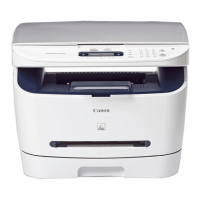
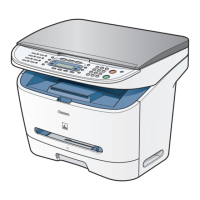
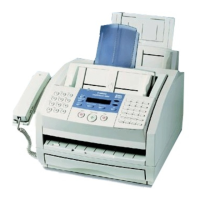
What to do if my Canon LASERBASE MF3110 makes strange noises or emits smoke?
- RRichard ReyesSep 23, 2025
If your Canon All in One Printer makes strange noises, emits smoke, or strange smells, unplug the power cord immediately.
What to do if my Canon LASERBASE MF3110 makes strange noises or emits smoke?
If your Canon All in One Printer makes strange noises, emits smoke, or strange smells, unplug the power cord immediately.
What to do if my Canon All in One Printer says 'INSTALL CARTRIDGE'?
If your Canon All in One Printer displays 'INSTALL CARTRIDGE', it means the cartridge is either not installed or not installed correctly. Install the cartridge correctly.
Why won't my Canon LASERBASE MF3110 All in One Printer scan a document?
If your Canon All in One Printer will not scan a document: * Wait for a while if the power cord has just been connected. * Check that the USB cable is connected securely to the machine and your computer.
Why does my Canon LASERBASE MF3110 keep jamming?
If your Canon All in One Printer experiences repeated paper jams, consider the following: * Check the size, thickness, and type of paper you are using. * Ensure the paper stack in the cassette is loaded correctly by fanning it before loading. * Ensure the output tray is free of obstructions. * Verify the machine is installed in a proper location.
Why does my Canon LASERBASE MF3110 say 'SUPPLY REC. PAPER'?
If your Canon All in One Printer shows 'SUPPLY REC. PAPER', it means there is no paper loaded in the cassette or multi-purpose feeder. Load paper into the cassette or multi-purpose feeder. Make sure the paper stack in the cassette does not exceed the capacity of the cassette. If using the multi-purpose feeder, load paper one by one.
Why are there white streaks on the left side of images from my Canon All in One Printer?
If white streaks appear on the left side of the image from your Canon All in One Printer, the document is not placed on the platen glass correctly. Place the document approximately 3 mm from the edge of the platen glass.
What does 'CHECK PRINTER COVER' mean on my Canon LASERBASE MF3110?
If your Canon All in One Printer displays 'CHECK PRINTER COVER', it means the front cover is not completely closed. Check the front cover and make sure it is completely closed.
Why are printouts missing or shaded on heavy paper with my Canon LASERBASE MF3110 All in One Printer?
If the printouts are partly missing or shaded when you make copies on heavy paper with your Canon All in One Printer, the paper type is not set correctly. Select or in in of the Menu.
Why does my Canon LASERBASE MF3110 feed multiple sheets at once?
If multiple sheets feed into your Canon All in One Printer at the same time: * Make sure the paper stack in the cassette or the paper in the multi-purpose feeder is loaded properly, and that the paper guides are adjusted correctly. * Be sure to fan the paper stack before loading it in the cassette. This keeps the sheets of paper from sticking together.
Why does paper not feed correctly in my Canon All in One Printer?
If paper does not feed correctly in your Canon All in One Printer: * Ensure the paper stack in the cassette or the paper in the multi-purpose feeder does not exceed the capacity of the cassette or multi-purpose feeder. * Make sure the paper stack is loaded properly, and that the paper guides are adjusted correctly. * Push the cassette into the machine as far as it will go, ensuring it is not tilted or inserted at an angle.
Details each key and function on the machine's control panel, including COPY, SCAN, Enlarge/Reduce, Exposure, LCD, Numeric keys, Start, Stop/Reset, Energy Saver, Collate/2on1, Image Quality, Memory indicator, Menu, Navigation keys, OK, and Status Monitor.

Explains the information displayed on the LCD screen in Copy Mode and Scan Mode when the machine is in standby.
Explains the energy saver function, how it operates automatically, and how to manually set or cancel it.
Details the types of paper and transparencies that can be used, how to store paper, and lists unacceptable paper types to avoid jams or malfunction.
Illustrates the printable areas on paper and envelopes, showing recommended margins and feeding directions.
Provides step-by-step instructions with illustrations on how to load paper into the cassette.
Details how to load paper into the multi-purpose feeder, including adjusting paper guides and inserting paper correctly.
Explains how to load envelopes into the multi-purpose feeder, including recommended sizes and proper insertion.
Guides users on how to select the correct paper size and type for the cassette or multi-purpose feeder via the machine's menu.
Illustrates the correct orientation of documents on the platen glass and paper in the feeders for proper output.
Explains how to choose between face down and face up paper output by opening or closing the face up cover.
Describes how paper is delivered face down and how to achieve this output method.
Explains how paper is delivered face up and its convenience for certain paper types.
Lists the requirements for documents that can be scanned or copied on the platen glass, including types, size, quantity, and weight.
Illustrates the area of a document that will be scanned, emphasizing the importance of keeping text and graphics within this zone.
Provides step-by-step instructions with illustrations for placing documents correctly on the platen glass.
Explains prerequisites for printing from a computer, including software installation and setting the machine as the default printer.
Outlines the general steps for printing a document from an application, including loading paper and sending the print job.
Explains how to cancel a print job from the computer, including accessing the printer folder and selecting the cancel option.
Provides step-by-step instructions for making copies, including placing documents, setting quantity, and adjusting settings.
Explains how to enlarge or reduce copies using predefined or custom ratio settings via the Enlarge/Reduce key.
Guides users on selecting image quality modes and adjusting copy exposure (density) to optimize scanned documents.
Describes the collate copy function, which sorts copies in page order for multi-page documents.
Details prerequisites for scanning, including software installation and verifying the scanner driver.
Describes the two primary methods for scanning documents: using a TWAIN/WIA application and using the machine's operation panel.
Explains how to use the Status Monitor function to check the status of copy and print jobs currently stored in the machine.
Details the steps to confirm and delete copy jobs that are stored in the machine's memory.
Guides users on how to check and delete print jobs stored in the machine's memory.
Provides instructions on routine cleaning of the machine's exterior and scanning area to maintain performance.
Details the procedure for cleaning the machine's exterior using a soft, damp cloth.
Explains how to clean the platen glass and its cover using a soft, lint-free cloth.
Explains the signs that indicate the toner cartridge needs replacement and the initial steps before replacement.
Provides crucial safety warnings and precautions for handling the toner cartridge, including fire hazards and magnetic flux.
Describes the approximate number of printouts expected from a Canon cartridge based on coverage and conditions.
Details the steps required to safely unplug, pack, and prepare the machine for transportation.
Illustrates and explains the correct way to grip and lift the machine by its designated handles for safe carrying.
Provides precautions for transporting the machine in a car, emphasizing secure placement and protection from temperature extremes.
Provides detailed instructions and illustrations for removing jammed paper from various parts of the machine.
Lists common error messages displayed on the LCD, their causes, and recommended remedies.
Addresses common issues where paper does not feed correctly, feeds skewed, or multiple sheets feed at once.
Troubleshoots problems with loading and feeding transparencies correctly.
Addresses the problem of paper feeding in a curled state and its potential causes.
Discusses issues related to paper stacking roughly, possibly due to incorrect loading or paper type.
Troubleshoots problems with loading and feeding envelopes correctly, including proper type and loading.
Troubleshoots why the machine fails to make copies, checking cartridge installation, tape removal, cassette insertion, and energy saver mode.
Addresses print quality issues like unclear text, missing dots, or white streaks, checking paper specs, cartridge, and toner.
Troubleshoots dirty copies, checking platen glass cleanliness, cartridge condition, room temperature, and machine installation.
Addresses issues with copy darkness or lightness, adjusting exposure and checking toner saver mode.
Solves issues with partial missing or shaded printouts when using heavy paper, by setting the correct paper type.
Troubleshoots missing printouts when copying on rough paper, by setting the correct paper type.
Addresses missing printouts when using the 2 on 1 copy function, ensuring correct document sizes are used.
Solves dirty copy edges by ensuring the correct paper size is set in the machine's menu.
Addresses printing issues, including alarm indicators and printouts not matching paper size.
Troubleshoots scanning issues like failure to scan, dirty images, and white streaks.
Addresses general issues such as the machine having no power or the LCD remaining blank.
Provides guidance on contacting support if problems cannot be resolved, including necessary information to provide.
Explains how to navigate the machine's menu system to access and change various settings.
Provides a categorized list of all available machine settings and their functions.
Details common settings like default mode, toner saver, and display language.
Covers settings related to copying, including image quality, exposure, zoom ratio, quantity, auto sort, paper size group, and sharpness.
Explains settings related to printer behavior, such as error time out.
Details timer-related settings like auto clear and energy saver mode timings.
Lists the technical specifications of the machine, including type, resolution, dimensions, and power requirements.
Details each key and function on the machine's control panel, including COPY, SCAN, Enlarge/Reduce, Exposure, LCD, Numeric keys, Start, Stop/Reset, Energy Saver, Collate/2on1, Image Quality, Memory indicator, Menu, Navigation keys, OK, and Status Monitor.
Explains the information displayed on the LCD screen in Copy Mode and Scan Mode when the machine is in standby.
Explains the energy saver function, how it operates automatically, and how to manually set or cancel it.
Details the types of paper and transparencies that can be used, how to store paper, and lists unacceptable paper types to avoid jams or malfunction.
Illustrates the printable areas on paper and envelopes, showing recommended margins and feeding directions.
Provides step-by-step instructions with illustrations on how to load paper into the cassette.
Details how to load paper into the multi-purpose feeder, including adjusting paper guides and inserting paper correctly.
Explains how to load envelopes into the multi-purpose feeder, including recommended sizes and proper insertion.
Guides users on how to select the correct paper size and type for the cassette or multi-purpose feeder via the machine's menu.
Illustrates the correct orientation of documents on the platen glass and paper in the feeders for proper output.
Explains how to choose between face down and face up paper output by opening or closing the face up cover.
Describes how paper is delivered face down and how to achieve this output method.
Explains how paper is delivered face up and its convenience for certain paper types.
Lists the requirements for documents that can be scanned or copied on the platen glass, including types, size, quantity, and weight.
Illustrates the area of a document that will be scanned, emphasizing the importance of keeping text and graphics within this zone.
Provides step-by-step instructions with illustrations for placing documents correctly on the platen glass.
Explains prerequisites for printing from a computer, including software installation and setting the machine as the default printer.
Outlines the general steps for printing a document from an application, including loading paper and sending the print job.
Explains how to cancel a print job from the computer, including accessing the printer folder and selecting the cancel option.
Provides step-by-step instructions for making copies, including placing documents, setting quantity, and adjusting settings.
Explains how to enlarge or reduce copies using predefined or custom ratio settings via the Enlarge/Reduce key.
Guides users on selecting image quality modes and adjusting copy exposure (density) to optimize scanned documents.
Describes the collate copy function, which sorts copies in page order for multi-page documents.
Details prerequisites for scanning, including software installation and verifying the scanner driver.
Describes the two primary methods for scanning documents: using a TWAIN/WIA application and using the machine's operation panel.
Explains how to use the Status Monitor function to check the status of copy and print jobs currently stored in the machine.
Details the steps to confirm and delete copy jobs that are stored in the machine's memory.
Guides users on how to check and delete print jobs stored in the machine's memory.
Provides instructions on routine cleaning of the machine's exterior and scanning area to maintain performance.
Details the procedure for cleaning the machine's exterior using a soft, damp cloth.
Explains how to clean the platen glass and its cover using a soft, lint-free cloth.
Explains the signs that indicate the toner cartridge needs replacement and the initial steps before replacement.
Provides crucial safety warnings and precautions for handling the toner cartridge, including fire hazards and magnetic flux.
Describes the approximate number of printouts expected from a Canon cartridge based on coverage and conditions.
Details the steps required to safely unplug, pack, and prepare the machine for transportation.
Illustrates and explains the correct way to grip and lift the machine by its designated handles for safe carrying.
Provides precautions for transporting the machine in a car, emphasizing secure placement and protection from temperature extremes.
Provides detailed instructions and illustrations for removing jammed paper from various parts of the machine.
Lists common error messages displayed on the LCD, their causes, and recommended remedies.
Addresses common issues where paper does not feed correctly, feeds skewed, or multiple sheets feed at once.
Troubleshoots problems with loading and feeding transparencies correctly.
Addresses the problem of paper feeding in a curled state and its potential causes.
Discusses issues related to paper stacking roughly, possibly due to incorrect loading or paper type.
Troubleshoots problems with loading and feeding envelopes correctly, including proper type and loading.
Troubleshoots why the machine fails to make copies, checking cartridge installation, tape removal, cassette insertion, and energy saver mode.
Addresses print quality issues like unclear text, missing dots, or white streaks, checking paper specs, cartridge, and toner.
Troubleshoots dirty copies, checking platen glass cleanliness, cartridge condition, room temperature, and machine installation.
Addresses issues with copy darkness or lightness, adjusting exposure and checking toner saver mode.
Solves issues with partial missing or shaded printouts when using heavy paper, by setting the correct paper type.
Troubleshoots missing printouts when copying on rough paper, by setting the correct paper type.
Addresses missing printouts when using the 2 on 1 copy function, ensuring correct document sizes are used.
Solves dirty copy edges by ensuring the correct paper size is set in the machine's menu.
Addresses printing issues, including alarm indicators and printouts not matching paper size.
Troubleshoots scanning issues like failure to scan, dirty images, and white streaks.
Addresses general issues such as the machine having no power or the LCD remaining blank.
Provides guidance on contacting support if problems cannot be resolved, including necessary information to provide.
Explains how to navigate the machine's menu system to access and change various settings.
Provides a categorized list of all available machine settings and their functions.
Details common settings like default mode, toner saver, and display language.
Covers settings related to copying, including image quality, exposure, zoom ratio, quantity, auto sort, paper size group, and sharpness.
Explains settings related to printer behavior, such as error time out.
Details timer-related settings like auto clear and energy saver mode timings.
Lists the technical specifications of the machine, including type, resolution, dimensions, and power requirements.
| Print Technology | Laser |
|---|---|
| Paper Capacity | 250 sheets |
| Output Tray Capacity | 100 sheets |
| Print Resolution | 600 x 600 dpi |
| Copy Resolution | 600 x 600 dpi |
| Connectivity | USB |
| Functions | Print, Copy, Scan |
| Media Types | Plain paper, envelopes, labels, transparencies, cardstock |
| Media Sizes | A4, A5, B5, Executive, envelopes |
| Operating System Compatibility | Windows |