EasyManua.ls Logo

Carrier Heat Pump - User Manual

Carrier Heat Pump
2 pages
Print Icon
To Next Page IconTo Next Page
Loading...
rn to the Expertg_
Owner's Information
Manual
A NOTE ABOUT SAFETY
An), time you see this symbol z_ in manuals, instructions and on
the unit, be aware of the potential for personal injury. There are
three levels of precaution:
DANGER identifies the most serious hazards which will result in
severe personal injury or death.
WARNING signifies hazards that could result in personal injury or
death.
CAUTION is used to identify unsafe practices which would result
in minor personal injury or product and property damage.
NOTE is used to highlight suggestions which will result in
enhanced installation, reliability, or operation.
PERSONAL INJURY, DEATH AND / OR PROPERTY
DAMAGE HAZARD
Failure to follow this warning could result in personal injury,
death or property damage.
Improper installation, adjustment, alteration, service,
maintenance, or use can cause explosion, fire. electrical shock,
or other conditions which may cause personal injury or
property damage. Consult a qualified installer, service agency,
or your distributor or branch for information or assistance. The
qualified installer or service agency must use
factory-authorized kits or accessories when modifying this
product.
Read and follow all instructions and warnings, including labels
shipped with or attached to unit before operating your new heat
pump.
ABOUT YOUR HEAT PUMP SYSTEM
Identifying Your System
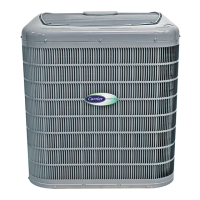
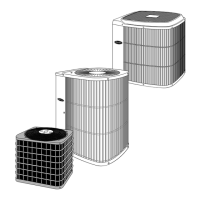
Your new Carrier heat pump system is what we call a "split
system." It has an outdoor unit and an indoor unit connected to
each other with copper tubing called refrigerant lines. Each of
these units has a rating plate with the model and serial numbers
you will need to reference when calling an authorized Carrier
dealer about your system.
Take a few moments now to locate those numbers and record them
in the spaces provided on the cover of this booklet.
USING YOUR NEW CARRIER SYSTEM
Your Carrier heat pump system is controlled by a wall-mounted
thermostat installed inside your home. Because there are so many
thermostats available, please refer to the owner's manual supplied
with your thermostat for complete details on system operation.
INFINITY OPERATION
If you own an Infinity two-stage heat pump system, you may
notice your system runs for longer periods of time. Nearly 80% of
the time it's running, it is operating in low-stage, and your indoor
temperature will remain more consistent with fewer drafts, better
humidity control, enhanced comfort and enhanced energy
efficiency.
HEATING AND COOLING YOUR HOME
For heating or cooling operation, make sure the System or Mode
control is set to the appropriate mode. Then. adjust the
Temperature control to your desired setting. Finally, use the Fan
control to select Automatic (turns on and off as heating is needed)
or On (runs continuously).
Depending on your typical heating needs, your home comfort
system may also include a supplementary heating source that will
automatically turn on as needed. You may also select this heat
source manually if desired.
OPERATION UNDER EXTREME
CONDITIONS
Your heat pump will run as long as necessary to maintain the
indoor temperature selected on your thermostat. On extremely hot
days, your heat pump will run for longer periods at a time than on
moderate days. Your system will also run for longer periods of
time under the following conditions:
Frequent opening of exterior doors
Operating laundry appliances
Taking hot showers
More than the usual number of people present in the home
More than the nomml number of electric lights in use
Drapes or blinds are open on the sunny side of the home
IMPORTANT HEAT PUMP FACTS
Heat pump systems have a few unique features and operations that
you should be aware of:
During the heating cycle, air from your registers may seem
cooler than you may expect. This is because your heat pump
delivers a constant flow of air at around 90 ° to about 105 ° F,
compared to sudden blasts of hot air provided by a typical
fumace. This air may feel cool if it is slightly below your body
temperature, however it is warm enough to keep your home
comfortable.
Ice or fi'ost may form on the outdoor coil during winter heating
operation. Your heat pump will automatically melt the ice
using its defi'ost cycle. During defrost, you may see steam or
fog rising from the outdoor unit, which is nomlal.
Heat pumps installed in areas expecting snow are elevated with
support feet.
ROUTINE MAINTENANCE
Simple, routine maintenance as described below will enhance your
heat pump system's ability to operate economically and
dependably. Always remember the following safety precautions:
ELECTRICAL SHOCK HAZARD
Failure to follow this warning could result in personal injury
or death.
Disconnect all electrical power to the indoor air handler or
furnace before removing access panels to perform any
maintenance. Disconnect power to both the indoor and
outdoor units.


Other manuals for Carrier Heat Pump

Question and Answer IconNeed help?

Do you have a question about the Carrier Heat Pump and is the answer not in the manual?

Summary

About Your Heat Pump System

Identifying Your System

Locate model and serial numbers for your split system and record them.

Using Your New Carrier System

Control operation via thermostat; explains Infinity operation.

Heating and Cooling Your Home

Operation Under Extreme Conditions

Important Heat Pump Facts

Routine Maintenance

General Cautions and Maintenance

Keep Filter Clean

A dirty filter increases operating costs and shortens unit life.

Do Not Block Vents

Blocked vents reduce system efficiency and lifespan.

Do Not Cover or Block Outdoor Unit

Ensure the outdoor unit has unrestricted airflow.

Check Condensate Drain

Periodically check the condensate drain for clogs.

Operating Temperature Limits

Note limits for cooling and heating modes.

Base Pan Drainage

Remove debris around the outdoor unit base for proper drainage.

Level Installation

Ensure the outdoor unit remains level for proper drainage.

Sea Coast Coil Maintenance

Troubleshooting

Regular Dealer Maintenance

Summary

About Your Heat Pump System

Identifying Your System

Locate model and serial numbers for your split system and record them.

Using Your New Carrier System

Control operation via thermostat; explains Infinity operation.

Heating and Cooling Your Home

Operation Under Extreme Conditions

Important Heat Pump Facts

Routine Maintenance

General Cautions and Maintenance

Keep Filter Clean

A dirty filter increases operating costs and shortens unit life.

Do Not Block Vents

Blocked vents reduce system efficiency and lifespan.

Do Not Cover or Block Outdoor Unit

Ensure the outdoor unit has unrestricted airflow.

Check Condensate Drain

Periodically check the condensate drain for clogs.

Operating Temperature Limits

Note limits for cooling and heating modes.

Base Pan Drainage

Remove debris around the outdoor unit base for proper drainage.

Level Installation

Ensure the outdoor unit remains level for proper drainage.

Sea Coast Coil Maintenance

Troubleshooting

Regular Dealer Maintenance

Overview

This document is an owner's information manual for a Carrier heat pump system, providing guidance on its operation, maintenance, and troubleshooting.

Function Description:

The Carrier heat pump system is a "split system" designed for heating and cooling homes. It consists of an outdoor unit and an indoor unit connected by copper refrigerant lines. The system is controlled by a wall-mounted thermostat, allowing users to select heating or cooling modes and adjust temperature settings. Depending on the model, it may include a supplementary heating source that can operate automatically or be manually selected. For Infinity two-stage heat pump systems, the unit operates in low-stage nearly 80% of the time, providing more consistent indoor temperatures, fewer drafts, better humidity control, enhanced comfort, and improved energy efficiency.

Important Technical Specifications:

  • Outdoor Unit Operation Temperature Ranges:
    • Cooling Mode: Not designed to operate below 55°F (12.78°C) without modification.
    • Heating Mode: Not designed to operate above 66°F (18.89°C). Can safely operate above this temperature on emergency or auxiliary heat.
  • Heating Airflow Temperature: Delivers a constant flow of air at around 90°F to 105°F (32.2°C to 40.6°C).
  • Outdoor Unit Clearance: Maintain a minimum 12 inches (304.8 mm) clearance between the outdoor unit and tall grass, vines, shrubs, etc.
  • Electrical Disconnects: The system requires multiple electrical disconnect switches, including a main disconnect, an indoor disconnect, and an outdoor disconnect.

Usage Features:

  • Thermostat Control: The system is controlled by a wall-mounted thermostat. Users should refer to their specific thermostat's owner's manual for detailed operation.
  • Mode Selection: For heating or cooling, the System or Mode control on the thermostat must be set to the appropriate mode (Cool or Heat/Auto).
  • Temperature Adjustment: Adjust the Temperature control to the desired setting. For cooling, the desired temperature should be lower than the displayed room temperature. For heating, it should be higher.
  • Fan Control: Users can select Automatic (fan turns on and off as heating/cooling is needed) or On (fan runs continuously).
  • Supplementary Heating: The system may include a supplementary heating source that automatically turns on as needed or can be manually selected.
  • Time Delays: Built-in time delays may occur during operation to protect the equipment and ensure comfort. These are standard protection features.
  • Operation Under Extreme Conditions: The heat pump will run for longer periods during extremely hot days or under conditions such as frequent opening of exterior doors, operating laundry appliances, taking hot showers, more people present in the home, more electric lights in use, or open drapes/blinds on the sunny side.
  • Heat Pump Specific Operations:
    • During heating, the air from registers may feel cooler than expected due to the constant, lower temperature airflow compared to a furnace.
    • Ice or frost may form on the outdoor coil during winter heating. The system automatically melts this ice using a defrost cycle, which may produce steam or fog.
    • Heat pumps in snowy areas are elevated with support feet.

Maintenance Features:

  • Safety Precautions: Always disconnect all electrical power to both the indoor and outdoor units before performing any maintenance to prevent electrical shock. Be careful when handling parts due to sharp edges.
  • Filter Maintenance: Keep the air filter on the indoor unit clean and properly installed. Clogged filters increase operating costs and shorten unit life. Refer to indoor unit literature for cleaning instructions.
  • Ventilation: Do not block floor, wall, or ceiling vents with drapes, furniture, toys, or other household items, as restricted airflow reduces efficiency and lifespan.
  • Outdoor Unit Clearance: Ensure unrestricted airflow to the outdoor unit. Do not cover it, place items on or next to it, or allow debris (grass clippings, leaves) to accumulate on the sides or top. Maintain a 12-inch minimum clearance from tall vegetation.
  • Condensate Drain Check: Periodically check the indoor coil's condensate drain during the cooling season to ensure it is not clogged. Water should trickle from the drain after a few minutes of operation.
  • Base Pan Drainage: Periodically check for and remove debris from the outdoor unit's base pan to ensure proper drainage and prevent standing water.
  • Level Installation: Ensure the outdoor unit remains level. If the support base settles, re-level it promptly to ensure proper drainage and prevent water or ice collection beneath the unit.
  • Sea Coast Coil Maintenance: For coastal locations, periodically wash all exposed surfaces and the outdoor coil (approximately every 3 months) to mitigate corrosion from airborne ocean salt. Consult a Carrier dealer for proper cleaning intervals or a service contract.
  • Routine Dealer Maintenance (Recommended Annual Inspection):
    • Routine inspection, replacement, or cleaning of air filter(s).
    • Inspection and cleaning of the blower wheel housing and motor.
    • Inspection and, if required, cleaning of indoor and outdoor coils.
    • Inspection of the indoor coil drain pan, primary, and secondary drain lines (and auxiliary drain pan/line if present), with cleaning if required.
    • Checking all electrical wiring and connections.
    • Checking for secure physical connections of individual parts.
    • Operational check of the heat pump system to determine actual working condition, with necessary repairs or adjustments.
    • Many dealers offer service contracts for these inspections, often at a reduced rate and with additional benefits like parts discounts or emergency service.

Carrier Heat Pump Specifications

General IconGeneral
BrandCarrier
ModelHeat Pump
CategoryHeat Pump
LanguageEnglish

Related product manuals