EasyManua.ls Logo

Cast INA - User Manual

Default Icon
16 pages
Print Icon
To Next Page IconTo Next Page
Loading...
USER GUIDE
Version 1 2020.09.16
INA
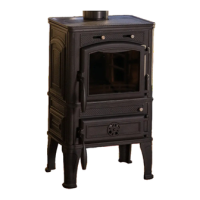
Wood stove
Item No: S230ES
Dear customer,
First of all we would like to thank you for having chosen us and your trust in us will not be failed. You will be
satisfied with your choice, as our stove is in the leading category of the similar products due to its features
and design.
Yours sincerely,
CAST
Question and Answer IconNeed help?

Do you have a question about the Cast INA and is the answer not in the manual?

Summary

Clean Air Act and Smoke Control Areas

Product Specification Details

Important Information for Stove Installation and Use

Unpacking and Assembly Guide

Unpacking Stove Components

Check contents against the list and report missing parts to the dealer.

Stove Assembly Steps

Unpack stove, remove internal parts, and prepare for installation.

Stove Installation Procedures

Material Clearance Requirements

Specifies minimum clearances to combustible materials and floor protector dimensions.

Floor Requirements for Installation

Ensure floor can bear weight and withstand heat; comply with regulations.

Chimney Connection Guidelines

Use provided connector, avoid shared chimneys, and ensure correct flue pipe size.

Fume Emission Safety Measures

Proper installation prevents fumes; outlines actions for persistent fume emission.

Operating Instructions for the Wood Stove

Understanding Stove Controls

Details primary/secondary air controls and air-wash feature for heat regulation.

Fuel Selection and Usage

Use dry, seasoned wood; avoid unsuitable fuels to prevent damage and ensure performance.

Pre-Lighting Checks

Verify flue clarity and ash pan status before initial or prolonged use.

Lighting a Wood Fire

Step-by-step guide for lighting, including chimney warm-up and initial refueling.

Refuelling Procedure

Refuel onto hot embers; slightly open door after refuelling to establish flame.

De-ashing the Stove Safely

Safely remove ashes once the fire is out and embers are cool.

Guidance on Safe Stove Operation

Operational Heat Warning

Stove and fittings become very hot; exercise caution during operation.

Preventing Overfiring the Stove

Avoid overfiring by monitoring for red-hot parts and adjusting air supply.

Chimney Fire Emergency Protocol

Emergency steps for chimney fires: shut air, alarm, evacuate, contact fire services.

Managing Fume Emissions

Ventilate if fumes occur; identify and rectify the cause before reuse.

Impact of Weather on Chimney Draft

Adverse weather can affect draft; seek professional advice for downdraught issues.

Stove Maintenance Procedures

Cleaning the Stove Interior

Regularly clean stove interior using brush and vacuum cleaner.

General Component Checks

Inspect parts for damage, use authorized replacements, and schedule professional maintenance.

Stove Body Care and Repair

Clean exterior with soft brush; renovate paint and treat rust as needed.

Fire Rope and Seal Inspection

Inspect and replace door and glass fire rope seals for proper sealing.

Exterior Stove Surface Cleaning

Clean the outside surfaces of the stove with a soft brush.

Stove Glass Maintenance

Clean glass panels carefully; replace broken glass with approved type.

Chimney Inspection and Cleaning

Annual chimney cleaning and inspection after periods of non-use are essential.

Troubleshooting Common Stove Issues

Fire Not Burning Properly

Addresses problems like fuel moisture, air supply, and flue blockages.

Soot Build-up on Stove Glass

Identifies causes of glass soot and suggests solutions.

Excessive Wear on Internal Parts

Explains causes of excessive wear on internal components.

Overview

The INA Wood Stove, model S230-ES, is a cast iron appliance designed for domestic heating, recommended for burning wood logs and Maxibrite in smoke control areas. It is an "exempt" appliance under the Clean Air Act 1993, meaning it can be used in designated smoke control areas when fitted with a permanent stop preventing closure of the secondary/tertiary air beyond 8mm open, located under the stove.

Function Description:

The stove operates by burning approved fuels (wood or manufactured smokeless fuel) to generate heat. The amount of heat emitted is regulated by air controls located at the front of the stove. Primary air is used when burning mineral fuel, and secondary air is used when burning wood. The "air-wash" feature helps keep the door glass clear of smoky deposits during operation. The stove is designed for intermittent burning and should not be operated with the door left open for long periods.

Important Technical Specifications:

  • Item No.: S230-ES
  • Weight: 95 KGS
  • Dimensions (WXDXH): W459 x D396 (max footprint/excluding handle) x H637.5 (excluding flue) mm
  • Flue size: 140 mm
  • Total efficiency: 78.8%
  • Nominal heat output: 5.0 kW
  • Mean CO emission (at 13% O2): 0.07%
  • Mean flue gas temperature: 293°C
  • Flue gas mass flow: 4.2 g/s
  • Mean CnHm emission (at 13% O2): 66 Nmg/m³
  • Mean NOx emission (at 13% O2): 123 Nmg/m³
  • DIN Plus particulates (at 13% O2): 20 Nmg/m³
  • Minimum clearance to combustible wall: 400 mm (sides and rear)
  • Minimum floor protector size: 300 mm (depth) x 150 mm (sides) x 150 mm (front)
  • Maximum hearth temperature measured on testing: 63°C on full fire.

Usage Features:

  • Fuel: Designed for dry, well-seasoned wood (moisture content below 20%) and manufactured smokeless fuel. Burning wet or unseasoned wood, construction timber, painted/treated wood, driftwood, or manufactured board products is prohibited as it leads to inefficient burning, excess smoke, soot, tar deposits, and potential chimney fires.
  • Lighting a Wood Fire: Start by placing 2-3 firelighters or crumpled newspaper with about 1 kg of kindling on the grate. Light the fire with a taper. Leave the door ajar (1-2 cm) for 2-5 minutes to establish a good draw and warm the chimney. Once the chimney is warm, close the door but leave the air control open. Refuel with 4-5 pieces of wood (approx. 200mm x 100mm) once a bed of glowing embers is formed.
  • Refuelling Procedure: Always refuel onto hot embers. If there are insufficient embers, add kindling to ensure the new fuel ignites. After refuelling, operate with the door ajar for 3 minutes to maintain flames. Do not leave the fire unattended until flames are well established. Overloading the stove with fuel is prohibited as it causes excess smoke.
  • Air Control: The primary air control and secondary/tertiary air control (located under the stove) regulate combustion. Protective gloves are recommended when adjusting these controls during operation due to high temperatures.
  • De-ashing: Ensure all fuel has burned out and ashes have cooled before de-ashing. Use a brush to sweep ash into the ash pan. If the stove is still burning, use heat-resistant gloves and special tools. The ash pan can be removed and emptied, but care must be taken as it may contain hot embers.
  • Safety: A CO monitor is required in the same room as the appliance. The stove becomes very hot during operation; use thick gloves for controls and handling fuel/ash. Do not place flammable objects near the stove. Avoid overfiring; if any part glows red, adjust air supply. Never leave the stove unattended for long periods without adjusting controls to a safe setting. Do not install in a chimney serving another appliance.

Maintenance Features:

  • Regular Cleaning: The inside of the stove requires regular cleaning, especially during peak use. A dust mask, protective gloves, and safety glasses are advisable. Use a stiff brush and industrial vacuum cleaner (e.g., CVAC Ash Can filter) to remove material, focusing on air inlet controls.
  • General Maintenance: Regularly check for damaged or broken parts. Only use authorised replacement parts. The stove and flueway should be inspected and maintained when cold by a competent engineer. No unauthorised modifications should be made.
  • Stove Body: The stove is finished with heat-resistant paint. Clean with a soft brush when cool. The finish can be renovated with stove paint from an authorised supplier. If rust appears, clean with a wire brush and apply anti-rust treatment. During prolonged periods of disuse, leave air inlets open and the door slightly ajar to prevent condensation and corrosion.
  • Fire Rope and Seals: Check the rope around the door and glass for detachment and replace if necessary with approved rope. Inspect fireproof door seals; re-fix with stove rope adhesive if loose, or replace if in poor condition.
  • Stove Glass: Clean glass panels when cool, avoiding abrasive substances. Wet logs, badly aimed pokers, or heavy slamming can crack the glass. The glass will not fracture with heat. Only use approved glass for replacement. Blackened glass can be cleaned with specialist glass cleaner or by burning at a higher temperature. Broken glass can be removed by unscrewing retaining clips; ensure the fireproof seal is not damaged and tension new glass clips evenly.
  • Chimney: The chimney should be cleaned at least once a year. Regular inspection of internal stove components can indicate if more frequent cleaning is needed. If unused for an extended period, the chimney should be checked by a competent person before use.
  • Wear Parts: Parts in direct contact with fire (grate, baffle, back/side air boxes) are normal wear parts. Their lifespan depends on usage intensity and they require regular inspection and maintenance. Use only manufacturer-recommended replacement parts.

Cast INA Specifications

General IconGeneral
BrandCast
ModelINA
CategoryWood stove
LanguageEnglish

Related product manuals