18 19
Feel Better with Passive Exercise
Studies indicate passive exercise is extremely benecial, especially to those
who are unable to do aerobic type exercise. Passive exercise is also benecial
for those who do aerobic type exercise, as it helps loosen muscles before an
intense workout. It also helps to use as a cool down after a workout. Although
passive exercise does not increase the heart rate or burn as many calories as
true aerobic exercise, you can still enjoy many other remarkable benets. Both
passive and aerobic exercise can increase circulation, oxygenate the blood,
help with the production and release of nitric oxide and endorphins. It also
helps move the lymph uid, which can be benecial to the immune system.
Exercise & You…
For many years, exercising on a regular basis has been known to help with
various ailments. Exercise is essential to our overall well-being. It helps
increase energy levels, helps maintain a healthy heart, helps with weight
control, and helps to decrease depression and fatigue. Exercise can also help
prevent heart disease, high blood pressure, diabetes and many other ailments.
Not only does a well-rounded exercise program help reduce the risk of many
ailments, it also helps to reduce the emotional pain that often accompanies
the development of many ailments. Exercise can help increase circulation
throughout the body and helps deliver oxygen and nutrients to your tissues.
This, in turn, helps the cardiovascular system work more efficiently. Millions
of people suffer from various ailments that could be improved through regu-
lar exercise.
• Edema
Edema is a condition of uid buildup in the circulatory system or tissues
that normally aects the lower extremities. With edema, either too much
uid moves from the blood vessels into the tissues, or not enough uid
moves from the tissues back into the blood vessels. is uid imbalance
can cause mild to severe swelling in one or more parts of the body. Exercise
has been known to help with the aects of edema as it helps to lessen uid
build-up by increasing the circulation throughout the body. Exercise also
helps to move the lymph uid, which, in turn, helps the body reduce
excess uid buildup. With edema, either too much uid moves from the
blood vessels into the tissues, or not enough uid moves from the tissues
back into the blood vessels. is uid imbalance can cause mild to severe
swelling in one or more parts of the body.
Many ordinary factors can upset the balance of uid in the body to cause
edema, including:
Immobility. e leg muscles normally contract and compress blood vessels
to promote blood ow with walking or running. When these muscles are
not used, blood can collect in the veins, making it dicult for uid to
move from tissues back into the vessels.
Medications. Certain drugs, such as steroids, hormone replacements,
nonsteroidal anti-inammatory drugs (NSAIDs), and some blood pressure
medications may aect how fast uid leaves blood vessels.
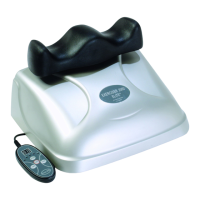
Using the Exerciser Elite® provides a comfortable elevation of the feet and
the movement needed to help reduce inammation and decrease pain
associated with the eects of edema.
• Arthritis
Arthritis is becoming more and more common and not just among the
elderly. Regular exercise can oer many benets to those with arthritis.
Exercise helps reduce joint pain and stiness and increases exibility
and endurance. Moving the joints daily helps to improve mobility. Also,
joint movement transports nutrients and waste products to and from the
cartilage, the material which protects the ends of the bones.
• Fibromyalgia
Fibromyalgia is a chronic condition characterized by widespread aches,
pains, fatigue and stiness. Many people with bromyalgia suer from
tight muscles and poor range of motion, which place additional strain on
the body. Little is known about what causes bromyalgia; however, it is
known that exercise can help improve energy levels, range of motion and
increase the circulation throughout the body. Also, exercise can help the
body release endorphins, which is a natural pain reliever. Regular exercise
has been known to help those suering from bromyalgia improve physical
function, mobility and the feeling of well-being.
• Parkinson’s Disease
Parkinson’s aects many aspects of a person’s daily life. e condition
can make it dicult to initiate movements or maintain balance. Exercise
can help improve exibility and mobility, which can help the individual
maintain a higher quality of life. Exercise will not stop Parkinson’s from
progressing; but, it will improve balance and can help lessen joint stiness.
Exercise can also help improve circulation to the heart and lungs.
• Varicose Veins
Varicose veins are those that become stretched and swollen with blood.
e veins often show up on the legs, ankles and feet because those body
parts are farthest from the heart. Gravity pulls blood down into your legs


 To Next Page
 Loading...