Need help?
Do you have a question about the CNET CAR-854 and is the answer not in the manual?
Lists the items included in the ADSL2+ Router package.
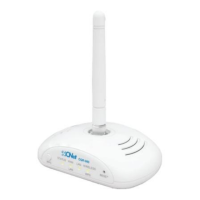
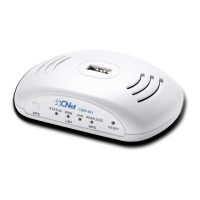
Illustrates and describes the physical front panel of the ADSL2+ Router.
Details the technical specifications of the ADSL2+ router, including ADSL standards and wireless features.
Steps to connect the ADSL router and PC via an Ethernet cable for initial setup.
Guide to configuring TCP/IP settings on various Windows operating systems for network connection.
Steps to access and log into the router's web-based configuration interface using a web browser.
Configuring the IP address and subnet mask for the router's LAN interface.
Setting up wireless network parameters, including band, SSID, and channel number.
Advanced wireless settings for technically advanced users, caution advised for changes.
Configuring wireless security using WEP or WPA encryption to prevent unauthorized access.
Implementing MAC address filtering to control access to the wireless network.
Configuring Wi-Fi Protected Setup (WPS) for simplified and secure network setup.
Setting up multiple BSSIDs for advanced wireless network configurations.
Configuring WAN connection parameters, including channel, ATM, and ADSL settings.
Setting up ATM Permanent Virtual Channels (PVCs) with various channel modes.
Configuring ATM PVC QoS parameters, selecting from UBR, CBR, nrt-VBR, or rt-VBR modes.
Selecting ADSL training modes and configuring AnnexL/M options and capability.
Configuring network services like DHCP, DNS, Firewall, and others.
Setting up DHCP server or relay to automatically assign IP addresses to network devices.
Configuring DNS server settings for obtaining IP addresses and dynamic DNS.
Configuring firewall rules for IP/Port filtering, MAC filtering, port forwarding, and URL/domain blocking.
Defining rules to allow or deny specific services or applications based on IP addresses and ports.
Implementing MAC address filtering to allow or deny network frames.
Creating tunnels through the firewall to allow external communication to internal LAN computers.
Configuring blocking of specific URLs or keywords to restrict web access.
Blocking specific domain names to restrict access to certain websites.
Configuring a Demilitarized Zone (DMZ) to expose a computer to the Internet with unrestricted access.
Enabling IGMP proxy for multicast traffic management on WAN and LAN interfaces.
Configuring Universal Plug and Play (UPnP) for NAT traversal and device identification.
Setting up Routing Information Protocol (RIP) for sharing routing tables with other network devices.
Advanced configuration options including Bridging, Routing, and SNMP settings.
Configuring Spanning Tree Protocol and MAC address aging time for bridge parameters.
Defining specific routes for Internet and network data, including default gateway configuration.
Configuring SNMP protocol for system description, trap IP address, and community names.
Configuring Quality of Service (QoS) rules to prioritize different users or data flows.
Enabling remote access to the DSL device from LAN and WLAN interfaces for management services.
Setting other advanced configurations like IP Pass Through and Lease Time.
Utilizing diagnostic tools like Ping, ATM Loopback, ADSL diagnostics, and general diagnostic tests.
How to use the Ping tool to test network connectivity by sending ICMP ECHO_REQUEST packets.
Performing ATM OAM loopback tests to verify connectivity between VP/VC endpoints.
Viewing ADSL line diagnostic results and interpreting parameters like SNR Margin and Attenuation.
Running tests to check the physical and protocol layer connectivity of both LAN and WAN sides.
Administering the device, including committing changes, rebooting, backup/restore, password management, and firmware upgrades.
Saving system settings changes and rebooting the router to apply them.
Backing up and restoring router configuration settings to/from a file.
Changing the administrator and user login passwords for system access.
Process for upgrading the DSL device's firmware using a firmware file.
Configuring Access Control List (ACL) to specify which IP addresses are allowed to access the device.
Setting the system time zone and synchronizing the clock with SNTP servers.
Viewing network statistics for interfaces and ADSL line performance.
Viewing packet statistics for transmission and reception on network interfaces like Ethernet and WLAN.
Displaying ADSL line statistic information, including latency, attenuation, and error rates.
Details how to configure the router in Bridge Mode, including VPI/VCI and encapsulation settings.
Explains the configuration for MER mode, setting VPI/VCI and IP addresses for the router.
Instructions for setting up PPPoE connection, including ISP credentials and DHCP server configuration.
Guide to configuring PPPoA connection, including ISP credentials, DHCP server, and DNS settings.
Steps to configure the router in 1483 Routed mode, setting IP addresses and using DHCP.
Detailed diagrams of protocol stacks for various ADSL channel modes.
 General
| Brand | CNET |
|---|---|
| Model | CAR-854 |
| Category | Wireless Router |
| Language | English |

 To Next Page