3
Introduction
Perfect•Temp System Overview
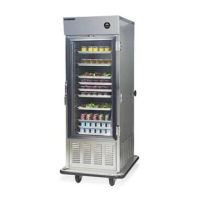
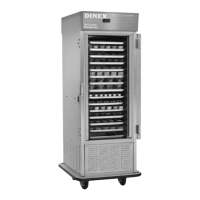
The Perfect•Temp system consists of a walk-in or roll-in refrigerator, a Perfect•Temp
rethermalization cart, an electronic controller, a set of serving trays with insulated covers,
and an assortment of reusable and disposable dishware.
The purpose of this system is to permit cold plating of patient meals in advance so as to
achieve maximum productivity from the kitchen staff. The cold plating of the meals enables
the staff to prepare three meals per standard eight-hour shift, thus eliminating the evening
shift that previously prepared the dinner meal. Plating the meals in advance allows the staff
to prepare the next day’s breakfast meal the day before, eliminating the need for the work
shift to start at 5:30 or 6:00 a.m. Normal 7:00 to 3:30 work shifts are possible.
Principles of Operation
The front of the serving tray has two open compartments (“Classic or Classic II”
server) into which a ceramic, reusable plastic or disposable dish is placed. The rear of the
serving tray has a large cold compartment. These compartments are enclosed and separated
from each other by either insulated tray covers or insulated domes, so no temperature transfer
occurs. The open wing of the tray is used for silverware, condiments, and a frozen dessert or
a hot beverage. The Classic tray style incorporates individual dome covers for the entrée
dish and soup/cereal bowl and the Classic II uses insulated tray covers.
The ceramic, reusable plastic or disposable dishes protrude below the bottom of the
serving tray. When the tray assembly is completed, an insulated cover is placed on the tray
or domes on the soup and entree, and the whole assembly is then inserted into the
Perfect•Temp cart. The dishes protruding from the tray automatically align with the
individual heating pads.
When the Perfect•Temp cart has been filled with the desired number of trays, the cart is
placed into a refrigerator to keep all the food on each tray at a safe temperature.
Approximately thirty-five minutes before the meal is to be served, the rethermalization
cycle begins, activated either manually or automatically. During this cycle, the heater pads
warm up and transfer their heat to the dishes. By the end of the cycle, the food in each dish
will have reached 170°F. or higher.
The insulated cover (or dome) confines the transfer of heat to the entrée and soup,
while the cold foods on the tray stay cold. The residual heat in the heater pads helps to
maintain food temperatures during meal delivery.


 To Next Page