EasyManua.ls Logo

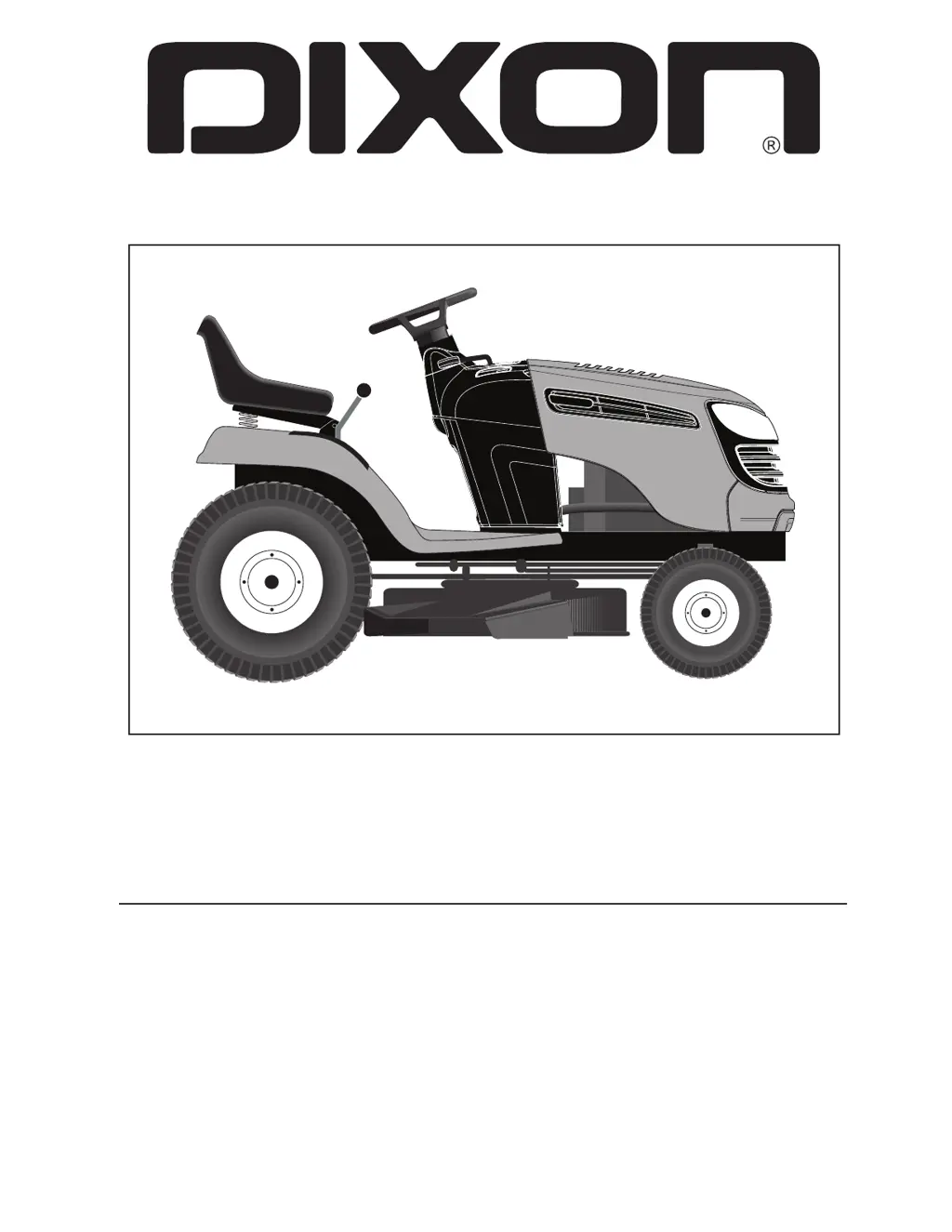
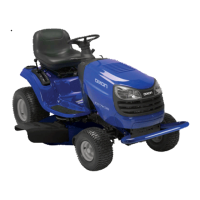
Dixon D17K38 - User Manual

Dixon D17K38
28 pages
Print Icon
To Next Page IconTo Next Page
Loading...
532 44 47-66
D17K38
Operator's Manual
03131
Gasoline containing up to 10% ethanol (E10) is acceptable for use in this machine.
The use of any gasoline exceeding 10% ethanol (E10) will void the product warranty.

Questions and Answers

  • M
    Mark RiceSep 15, 2025
    What causes Dixon D17K38 engine dies when tractor is shifted into reverse?
    • R
      Robin TuckerSep 15, 2025
      If your Dixon Lawn Mower engine dies when the tractor is shifted into reverse, it's likely because the Reverse Operation System (ROS) is not "ON" while the mower or other attachment is engaged. Turn the ignition key to the ROS "ON" position.
  • M
    mharrellSep 18, 2025
    Why Dixon D17K38 Lawn Mower engine continues to run when operator leaves seat with attachment clutch engaged?
    • J
      jamesjamesSep 18, 2025
      If the Dixon Lawn Mower engine continues to run when the operator leaves the seat with the attachment clutch engaged, it suggests a faulty operator-safety presence control system. Check the wiring, switches, and connections.
  • J
    Joanne GeorgeNov 19, 2025
    Why Dixon D17K38 Lawn Mower will not start?
    • A
      Anthony PerezNov 19, 2025
      Your Dixon Lawn Mower might fail to start due to several reasons. It could be out of fuel, so you should fill the fuel tank. The engine may not be properly choked; refer to the 'TO START ENGINE' section in the Operation guide. If the engine is flooded, wait a few minutes before trying again. Other potential causes include a bad spark plug (replace it), a dirty air filter (clean or replace it), a dirty fuel filter (replace it), water in the fuel (empty the tank and carburetor, refill with fresh gasoline, and replace the fuel filter), loose or damaged wiring (check all wiring). In some cases, the carburetor might need adjustment (see 'To Adjust Carburetor' in the Service Adjustments section), or the engine valves could be out of adjustment, requiring assistance from an authorized service cen...
  • V
    Victor BennettNov 23, 2025
    What to do if Dixon D17K38 Lawn Mower loses power?
    • J
      jacqueline65Nov 23, 2025
      If your Dixon Lawn Mower experiences a loss of power, consider these potential causes and solutions: You might be cutting too much grass or moving too fast, so raise the cutting height or reduce your speed. Ensure the throttle isn't in the 'CHOKE' position; adjust the throttle control accordingly. Remove any buildup of grass, leaves, or trash from under the mower housing. Check the air filter and clean or replace it if it's dirty. Also, verify the oil level and change the oil if it's low or dirty. Inspect the spark plug; clean and regap it or replace it if faulty. Replace the fuel filter if it's dirty, and if the fuel is stale or dirty, empty the fuel tank and refill it with fresh, clean gasoline. If there's water in the fuel, empty the fuel tank and carburetor, refill the tank with fresh ...
  • T
    Timothy WaltersNov 27, 2025
    What to do if Dixon Lawn Mower has poor grass discharge?
    • A
      Alex WilsonNov 27, 2025
      If your Dixon Lawn Mower has poor grass discharge, several factors could be contributing. Ensure the engine speed isn't too slow by placing the throttle control in the 'FAST' position. If you're moving too fast, shift to a slower speed. Wet grass can also cause poor discharge, so allow the grass to dry before mowing. Check if the mower deck is level and level it if necessary. Ensure tires have proper air pressure. Examine the blade; replace it if it's worn, bent, or loose, and tighten the blade bolt. Clear any buildup of grass, leaves, and trash under the mower. If the mower drive belt is worn, replace it. Make sure the blades are installed with the sharp edge down. If improper blades are used, replace them with blades listed in the parts manual. Additionally, ensure that the mower deck ve...

Summary

SAFETY RULES

GENERAL OPERATION

Read, understand, and follow all instructions on the machine and in the manual before starting.

SLOPE OPERATION

Slopes are a major factor related to loss of control and tip-over accidents. Operate with extra caution.

SAFETY RULES

CHILDREN

Tragic accidents can occur if the operator is not alert to the presence of children.

TOWING

Tow only with a machine that has a hitch designed for towing.

SAFE HANDLING OF GASOLINE

To avoid personal injury or property damage, use extreme care in handling gasoline.

GENERAL SERVICE

Ensure safe working condition, check safety devices, and keep machine clean.

PRODUCT SPECIFICATIONS

CUSTOMER RESPONSIBILITIES

Read and observe safety rules, follow a regular maintenance schedule.

ASSEMBLY

TOOLS REQUIRED FOR ASSEMBLY

Lists necessary tools like socket wrench set, utility knife, tire pressure gauge, and pliers.

BEFORE REMOVING TRACTOR FROM SKID

Check battery status and charge if necessary before removing from skid.

TO REMOVE TRACTOR FROM CARTON

Instructions on how to unpack the tractor from its shipping carton.

ASSEMBLY

TO INSTALL STEERING WHEEL

Step-by-step guide to assemble the steering wheel, shaft, and boot.

INSTALL SEAT

Instructions for installing the tractor seat and connecting wiring.

TO ADJUST SEAT

Guide on how to adjust the seat position for comfortable operation.

ASSEMBLY

TO ROLL TRACTOR OFF SKID

Steps to safely remove the tractor from its shipping skid.

CHECK TIRE PRESSURE

Ensure tires are properly inflated for optimal performance and safety.

CHECK DECK LEVELNESS

Instructions on how to level the mower deck for best cutting results.

FINAL ASSEMBLY CHECKLIST

A final checklist before operating the tractor to ensure assembly is complete and safe.

OPERATION

OPERATION SYMBOLS

Learn and understand the meaning of various symbols that may appear on the tractor.

SAFETY ALERT SYMBOLS

Explains the meaning of DANGER, WARNING, CAUTION, HOT SURFACES, and FIRE symbols.

OPERATION

KNOW YOUR TRACTOR

Familiarize yourself with the locations of various controls and adjustments on your tractor.

CONTROL DESCRIPTIONS

Detailed explanation of the function of each control (e.g., levers, switches, pedals).

OPERATION

HOW TO USE YOUR TRACTOR

Guides on operating the tractor, including setting the parking brake and stopping.

TO SET PARKING BRAKE

Steps to engage the parking brake to secure the tractor.

STOPPING

Procedures for stopping the mower blades, ground drive, and engine.

TO USE THROTTLE CONTROL

Instructions on using the throttle control for optimal engine speed and performance.

OPERATION

TO MOVE FORWARD AND BACKWARD

How to control the direction and speed of the tractor using the gearshift lever.

TO ADJUST MOWER CUTTING HEIGHT

Guide on adjusting the attachment lift lever to set the desired cutting height.

REVERSE OPERATION SYSTEM (ROS)

Explanation of the ROS system and how to use it safely.

TO OPERATE MOWER

Steps to engage the mower blades and operate the mower deck.

OPERATION

TO STOP MOWER BLADES

Procedure to disengage the attachment clutch control to stop mower blades.

OPERATING ON HILLS AND TRANSPORT

Safety guidelines for slopes and instructions for safely transporting the tractor.

TOWING CARTS AND OTHER ATTACHMENTS

Guidelines for towing attachments and the associated safety precautions.

BEFORE STARTING THE ENGINE

Pre-start checks including engine oil level and adding gasoline.

OPERATION

TO START ENGINE

Step-by-step guide for starting the tractor engine, including warm and cold weather procedures.

MOWING TIPS

Advice on optimal mowing practices for best results and lawn care.

MAINTENANCE

MAINTENANCE SCHEDULE

A comprehensive schedule detailing maintenance tasks and their frequency.

GENERAL RECOMMENDATIONS

General advice on maintaining the tractor for warranty and optimal performance.

BEFORE EACH USE

Essential checks to perform before each use of the tractor.

LUBRICATION CHART

Chart indicating lubrication points and recommended lubricants.

MAINTENANCE

BRAKE AND TIRE CHECKS

Checking brake operation and maintaining proper tire pressure for safe operation.

SAFETY SYSTEM CHECKS

Checking the operator presence system and reverse operation system (ROS).

BLADE MAINTENANCE

Covers blade care, safety precautions, and removal procedures.

BATTERY MAINTENANCE

Information on battery care, cleaning terminals, and general maintenance.

MAINTENANCE

V-BELTS AND TRANSAXLE MAINTENANCE

Checking V-belts for wear and replacing them; keeping transaxle clean.

ENGINE LUBRICATION AND OIL CHANGE

Instructions on engine lubrication, oil changes, and filter replacement.

ENGINE AIR FILTER AND COOLING

Servicing the air filter, cleaning the air screen, and maintaining the cooling system.

MUFFLER AND SPARK PLUGS

Inspection and replacement of the muffler and spark plugs.

MAINTENANCE

IN-LINE FUEL FILTER

Procedure for replacing the in-line fuel filter.

CLEANING PROCEDURES

General cleaning instructions and using the deck washout port.

SERVICE AND ADJUSTMENTS

SAFETY PRECAUTIONS FOR SERVICE

Critical safety precautions to take before performing any service or adjustments.

TO REMOVE MOWER

Step-by-step instructions for removing the mower deck from the tractor.

TO INSTALL MOWER

Step-by-step instructions for installing the mower deck onto the tractor.

SERVICE AND ADJUSTMENTS

ATTACH MOWER SIDE SUSPENSION ARMS

How to attach the mower side suspension arms to the tractor chassis.

ATTACH REAR LIFT LINKS

Instructions for attaching the rear lift links to the mower and tractor.

ATTACH FRONT LINK

How to attach the front link assembly to the tractor's front suspension bracket.

SERVICE AND ADJUSTMENTS

TO LEVEL MOWER

Instructions on how to level the mower deck for optimal cutting performance.

VISUAL SIDE-TO-SIDE ADJUSTMENT

A visual method to adjust the mower deck for side-to-side levelness.

FRONT-TO-BACK ADJUSTMENT

How to adjust the mower deck so the front tip is lower than the rear tip.

SERVICE AND ADJUSTMENTS

BELT REPLACEMENT

Step-by-step instructions for replacing mower and motion drive belts.

TO CHECK BRAKE

How to check the tractor's brake system for proper function and service needs.

SERVICE AND ADJUSTMENTS

TRANSAXLE GEAR SHIFT LEVER ADJUSTMENT

How to adjust the transaxle gear shift lever to ensure neutral alignment.

WHEEL REMOVAL AND STEERING ALIGNMENT

Instructions for removing wheels and adjusting steering wheel alignment.

WEAK BATTERY STARTING PROCEDURE

Procedure for starting the tractor using jumper cables with a weak battery.

SERVICE AND ADJUSTMENTS

BATTERY AND LIGHTING REPLACEMENT

Steps for replacing the battery, hood, grill, and headlight bulb.

ELECTRICAL SYSTEM AND ENGINE ADJUSTMENTS

Covers electrical system checks and engine adjustments for throttle, choke, and carburetor.

STORAGE

TRACTOR AND BATTERY PREPARATION

Steps for preparing the tractor and battery for storage, including cleaning and lubrication.

ENGINE FUEL SYSTEM PREPARATION

Critical instructions to prevent gum deposits and fuel system damage during storage.

ENGINE OIL AND CYLINDER PREPARATION

Instructions for draining engine oil and protecting cylinders during storage.

OTHER STORAGE TIPS

Additional storage tips like covering the tractor and avoiding plastic covers.

TROUBLESHOOTING

ENGINE STARTING PROBLEMS

Lists common causes and corrections for engine starting issues.

LOSS OF POWER

Common causes and corrections for the tractor experiencing a loss of power.

TROUBLESHOOTING

EXCESSIVE VIBRATION

Causes and solutions for excessive vibration during operation.

ENGINE SAFETY SYSTEM FAILURE

Troubleshooting faulty operator-safety presence control system.

MOWER PERFORMANCE ISSUES

Diagnosing and correcting issues with cut quality, blade rotation, and grass discharge.

OTHER OPERATIONAL PROBLEMS

Troubleshooting headlights, battery charging, loss of drive, engine backfiring, and stalling.

SUGGESTED GUIDE FOR SIGHTING SLOPES FOR SAFE OPERATION

SLOPE OPERATION WARNING

Critical safety warning about operating on slopes, emphasizing 15-degree maximum.

Dixon D17K38 Specifications

General IconGeneral
BrandDixon
ModelD17K38
CategoryLawn Mower
LanguageEnglish

Related product manuals