EasyManua.ls Logo

Ducar DGPW3200 - User Manual

Ducar DGPW3200
21 pages
Print Icon
To Next Page IconTo Next Page
Loading...
Model: DGPW3200
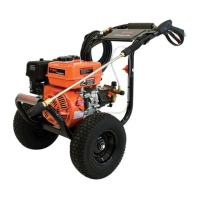
Gasoline Pressure Washer
OPERATOR’S MANUAL
Question and Answer IconNeed help?

Do you have a question about the Ducar DGPW3200 and is the answer not in the manual?

Summary

Introduction

Safety Rules

Safety Symbols

Explains the meaning of various warning and caution symbols used in the manual.

Safety Instructions

Provides essential guidelines for safe operation and understanding warnings.

Pressure Washer Features

Pressure Washer Parts Assembly

Spare Parts For The DGPW3200 Pressure Washer

Assembly

Packing List

Lists all components included in the pressure washer package for verification.

Unpacking

Step-by-step instructions for safely removing the pressure washer and its accessories from the box.

Install Handle

Attaching the Spray Gun

Instructions for connecting the spray wand and trigger handle to the high-pressure hose.

Adding; Checking Engine Oil

Adding Fuel

Instructions on how to safely add gasoline to the fuel tank, including important precautions.

Connect High Pressure Hose to Pump

Connecting Garden Hose to Pressure Washer

Guide on connecting the water supply hose, including crucial pre-operation checks.

Operation

Pre-Operation Check List

A list of essential checks to perform before starting the pressure washer to ensure safety and performance.

Starting Pressure Washer

Detailed steps on how to safely start the gasoline pressure washer engine and begin operation.

Stopping Pressure Washer

Using the Spray Gun

Instructions on how to operate the spray gun, including safety lock features and trigger function.

Using Spray Nozzle

Guidance on how to connect, disconnect, and select appropriate spray nozzles for different cleaning tasks.

Applying Detergent

Rinse with the Pressure Washer

Best practices for rinsing surfaces after cleaning, ensuring proper technique.

Moving the Pressure Washer

Instructions on how to safely move the pressure washer between different locations.

Maintenance

Pre-operation Steps

Checks to perform before each use to maintain the pressure washer's condition.

Remove Debris

How to clean external debris from the pressure washer's components.

After Each Use

Routine procedures to follow after every operating session to preserve the unit.

Maintenance Schedule

A schedule outlining recommended maintenance tasks at different intervals for optimal performance.

Changing Engine Oil

Checking Detergent Siphoning Tube

Procedures for inspecting the detergent tube for any issues like clogs or leaks.

High Pressure Hose

Guidelines for inspecting the high-pressure hose for damage and replacement needs.

Spray Gun

Checks for secure connection and proper function of the spray gun and its safety features.

Spray Nozzle

How to clean and maintain the spray nozzles for optimal performance.

Checking Spark Plug

Repairing Leaking Connections

Guidance on how to address and repair leaks in the machine's connections.

Air Filter

Instructions on how to clean or replace the air filter to ensure proper engine operation.

Storing Pressure Washer

Procedures for long-term storage to protect the pressure washer from damage and degradation.

Troubleshooting

Diagrams

Summary

Introduction

Safety Rules

Safety Symbols

Explains the meaning of various warning and caution symbols used in the manual.

Safety Instructions

Provides essential guidelines for safe operation and understanding warnings.

Pressure Washer Features

Pressure Washer Parts Assembly

Spare Parts For The DGPW3200 Pressure Washer

Assembly

Packing List

Lists all components included in the pressure washer package for verification.

Unpacking

Step-by-step instructions for safely removing the pressure washer and its accessories from the box.

Install Handle

Attaching the Spray Gun

Instructions for connecting the spray wand and trigger handle to the high-pressure hose.

Adding; Checking Engine Oil

Adding Fuel

Instructions on how to safely add gasoline to the fuel tank, including important precautions.

Connect High Pressure Hose to Pump

Connecting Garden Hose to Pressure Washer

Guide on connecting the water supply hose, including crucial pre-operation checks.

Operation

Pre-Operation Check List

A list of essential checks to perform before starting the pressure washer to ensure safety and performance.

Starting Pressure Washer

Detailed steps on how to safely start the gasoline pressure washer engine and begin operation.

Stopping Pressure Washer

Using the Spray Gun

Instructions on how to operate the spray gun, including safety lock features and trigger function.

Using Spray Nozzle

Guidance on how to connect, disconnect, and select appropriate spray nozzles for different cleaning tasks.

Applying Detergent

Rinse with the Pressure Washer

Best practices for rinsing surfaces after cleaning, ensuring proper technique.

Moving the Pressure Washer

Instructions on how to safely move the pressure washer between different locations.

Maintenance

Pre-operation Steps

Checks to perform before each use to maintain the pressure washer's condition.

Remove Debris

How to clean external debris from the pressure washer's components.

After Each Use

Routine procedures to follow after every operating session to preserve the unit.

Maintenance Schedule

A schedule outlining recommended maintenance tasks at different intervals for optimal performance.

Changing Engine Oil

Checking Detergent Siphoning Tube

Procedures for inspecting the detergent tube for any issues like clogs or leaks.

High Pressure Hose

Guidelines for inspecting the high-pressure hose for damage and replacement needs.

Spray Gun

Checks for secure connection and proper function of the spray gun and its safety features.

Spray Nozzle

How to clean and maintain the spray nozzles for optimal performance.

Checking Spark Plug

Repairing Leaking Connections

Guidance on how to address and repair leaks in the machine's connections.

Air Filter

Instructions on how to clean or replace the air filter to ensure proper engine operation.

Storing Pressure Washer

Procedures for long-term storage to protect the pressure washer from damage and degradation.

Troubleshooting

Diagrams

Overview

This document is an operator's manual for a DUCAR® Gasoline Pressure Washer, Model: DGPW3200.

Function Description

The DUCAR DGPW3200 is a gasoline-powered pressure washer designed for a variety of cleaning tasks. Its primary function is to remove dirt and mold from surfaces such as house siding, decks, garage floors, brick patios, and cement walkways. It can also be used for cleaning cars, motorcycles, boats, RVs, outdoor furniture, lawn equipment, and grills. The unit generates high-pressure water jets to effectively clean stubborn stains and debris.

Important Technical Specifications

  • Type: DGPW3200
  • Rated Pressure: 22 Mpa
  • Rated Flow: 567 l/h
  • Max Water Inlet Temperature: 50 C°
  • Net Weight: 35 kg
  • Max Inlet Water Pressure: 0.55 Mpa
  • Detergent Tank Capacity: 3 l
  • Engine Model: DH212
  • Engine Displacement: 212 cc
  • Engine Power: 6.5 HP
  • No-Load Speed: 3800 rpm
  • Load Speed: 3400 rpm
  • Fuel Tank Capacity: 3.6 l
  • Oil Capacity: 0.6 l
  • Shaft: 19.05 mm
  • Emissions Control: Compliant with all standards set by the Environmental Protection Agency.

Usage Features

The pressure washer comes with several features to facilitate its operation and versatility:

  • Spray Gun and Wand: The unit includes a spray gun and an extension wand with a quick-connect fitting for various nozzles.
  • Nozzle Variety: Five spray nozzles are provided: 0° (Red), 15° (Yellow), 25° (Green), 40° (White), and a Soap Nozzle (Black). These allow for different spray patterns and intensities, from concentrated jets for stripping and spot cleaning to wider fans for general cleaning and detergent application. The 25° spray tip is recommended for removing paint, rust, mildew, marine growth, oil stains, tar, gum, and for reaching second-story surfaces. The 40° spray tip is suitable for general cleaning, especially cement walkways.
  • Detergent Application: A built-in 3-liter detergent tank and a black soap nozzle enable the application of pressure washer safe detergents. The manual advises using mild, environmentally friendly detergents and following manufacturer directions for best results, including allowing detergent to set before rinsing to prevent streaking or damage.
  • Engine Controls: Features include a fuel tank, choke, fuel valve lever, engine switch, and a pull cord for starting.
  • Mobility: Equipped with "No Flat Foam Filled Tiers" (wheels) and a handle, making it easy to move the unit to the desired location by tilting and rolling.
  • Safety Features: The spray gun includes a locking trigger mechanism to prevent accidental operation.

Maintenance Features

The manual outlines a comprehensive maintenance schedule and procedures to ensure the longevity and performance of the pressure washer:

  • Pre-Operation Checks: Before each use, users are instructed to check engine oil and fuel levels, ensure the air filter is clean, remove debris, inspect the water inlet screen, check high-pressure hose for damage, verify pump pressure adjustment (mid-way setting), flush the garden hose, and inspect the work area for hazards.
  • Engine Oil: The manual provides instructions for adding/checking engine oil (SAE10W30, 520 ml capacity) and changing it. The first oil change is recommended after the first 5 hours of use, and annually (or every 20 hours) thereafter, more often in dirty/dusty conditions.
  • Fuel Management: Instructions for adding fuel (unleaded gasoline, 3.6 l capacity) and warnings against overfilling are provided. For storage, adding fuel stabilizer and running the engine for a few minutes is recommended.
  • Hose and Gun Maintenance: After each use, the high-pressure hose, spray gun, and nozzle should be disconnected, drained, and wiped clean. The high-pressure hose should be inspected for cuts, bulges, or leaks and replaced if damaged. The spray gun safety and trigger spring should also be checked.
  • Nozzle Cleaning: If a pulsing sensation is felt, the spray nozzle may be clogged. Instructions are given to clean the nozzle using a nozzle cleaner or paper clip, followed by back-flushing with a garden hose.
  • Detergent Siphoning Tube: Regular checks for clogs, leaks, or tears, and ensuring a tight fit to the pump fitting are advised. Replacement is necessary if damaged.
  • Spark Plug: Annual service or replacement of the spark plug (0.80mm gap) is recommended (or every 100 hours). Instructions for disconnecting the wire, cleaning, checking the gap, and reinstalling are included.
  • Air Filter: The air filter should be checked and cleaned annually (or every 50 hours). Instructions for removal, cleaning (tapping or blowing out dirt), and reinstallation are provided.
  • Pump Protection: The manual recommends using a pressure washer pump conditioner (PumpSaver) to protect against freezing and mineral deposits, especially for storage periods of 30 days or more.
  • Storage: Detailed instructions for long-term storage include adding fuel stabilizer, adding PumpSaver, emptying fluids from hoses and pump, disconnecting and cleaning the spark plug, cleaning the air filter, covering the unit, and storing it in a frost-free area.
  • Troubleshooting Guide: A dedicated section helps users diagnose and resolve common issues such as the engine not starting, hard starting, lack of power, weak water pressure, and detergent not mixing.
  • Warranty: Ducar power products are covered by a one-year limited consumer warranty.

Ducar DGPW3200 Specifications

General IconGeneral
BrandDucar
ModelDGPW3200
CategoryPressure Washer
LanguageEnglish