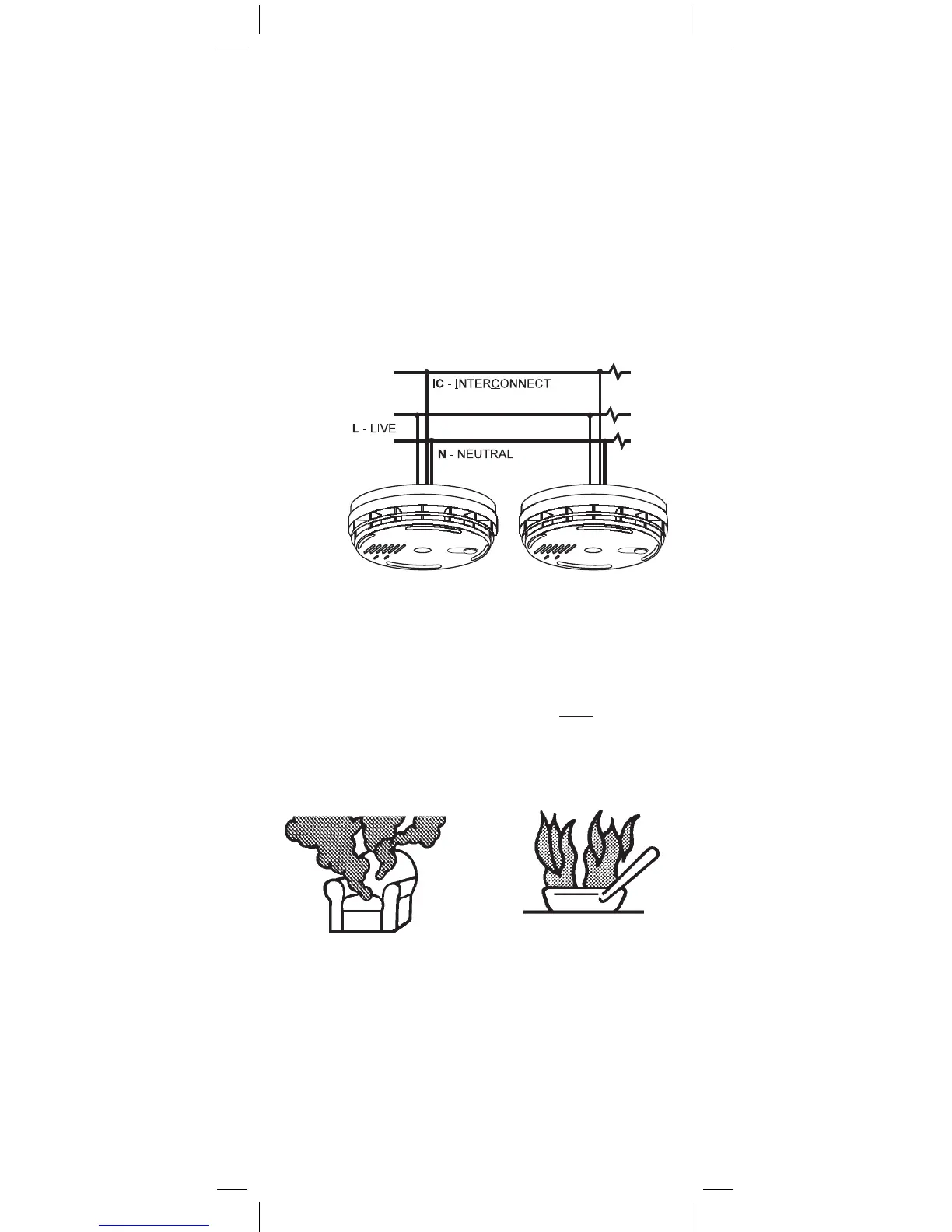
resistance between detectors 50 Ohms).
These Smoke/Heat Alarms should be interconnected
only within the confines of a single family living unit. If
they are connected between different units there may
be excessive nuisance alarms. Everybody may not be
aware that they are being tested or that it is a nuisance
alarm caused by cooking etc.
Ensure the alarms operate correctly - see “TESTING &
MAINTAINING YOUR ALARM” section on page 4 of
the USER INSTRUCTIONS.
Smoke Alarm - Optical or Ionisation?
Both types respond in all standard fires but each type
may respond faster to particular fires as shown. Ei
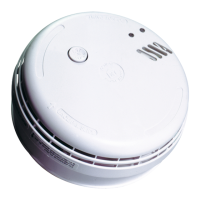
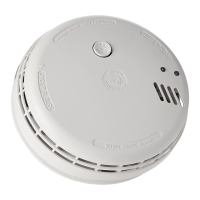
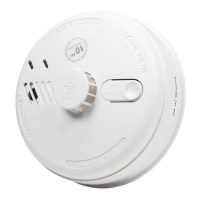
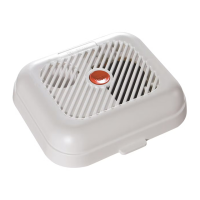
Electronics manufactures Optical Smoke Alarms Ei146
& Ei166RC which compliment the Ionisation Smoke
Alarms described in this leaflet. For dual protection
install each type.
Fire Authorities states:
“If your home has more than one floor, at least
one alarm should be fitted on each level”. In this
case a combination of Optical and Ionisation alarms,
preferably interconnected, will give the best protection.
15
Figure 6
Ion Sensor
Best for fast flaming fires
- small smoke particles
Optical Sensor
Best for slow smouldering fires
- large smoke particles




 To Next Page