EasyManua.ls Logo

Electrolux LNS5LE18S - User Manual

Electrolux LNS5LE18S
24 pages
Print Icon
To Next Page IconTo Next Page
Loading...
LNS5LE18S
EN User Manual | Fridge Freezer
Question and Answer IconNeed help?

Do you have a question about the Electrolux LNS5LE18S and is the answer not in the manual?

Summary

Safety Information

Children and Vulnerable People Safety

Safety guidelines for children and vulnerable individuals using the appliance.

General Safety

General safety precautions for the use of the appliance.

Safety Instructions

Installation

Instructions and warnings related to the proper installation of the appliance.

Electrical Connection

Guidelines and warnings for connecting the appliance to the electrical supply.

Use

Important usage instructions and warnings for operating the appliance.

Internal Lighting

Information about the appliance's internal lighting system and its limitations.

Care and Cleaning

Recommendations and warnings for cleaning and maintaining the appliance.

Service

Information on contacting service centers and using original spare parts.

Disposal

Guidelines and warnings for the safe and environmentally friendly disposal of the appliance.

Installation

Dimensions

Detailed dimensions of the appliance and space requirements for installation.

Location

Recommendations for choosing the optimal location for the appliance.

Electrical Connection

Detailed steps and safety information for the electrical connection process.

Ventilation Requirements

Specifies the necessary airflow and ventilation clearances for the appliance.

Door Reversibility

Information regarding the possibility and procedure for reversing the appliance door.

Control Panel

Switching On

Step-by-step guide on how to switch on the appliance.

Switching Off

Instructions on how to properly switch off the appliance.

Temperature Regulation

How to adjust and set the desired temperature inside the appliance.

FastFreeze Function

Explanation and usage of the FastFreeze function for rapid freezing.

Door Open Alarm

Description of the audible alarm that sounds when the door is left open.

High Temperature Alarm

Information on the alarm indicating a rise in internal temperature.

Daily Use

Positioning the Door Shelves

Guide on how to adjust and reposition door shelves for storage.

Movable Shelves

Instructions for moving and positioning the internal shelves within the refrigerator.

Vegetable Drawers

Information on the special drawers designed for storing fruits and vegetables.

Humidity Control

Explanation of the humidity control feature for vegetable drawers.

Freezing Fresh Food

Guidelines for freezing fresh food items in the freezer compartment.

Storage of Frozen Food

Best practices for storing frozen food to maintain quality and safety.

Thawing

Methods and advice for safely thawing frozen food items.

Hints and Tips

Hints for Energy Saving

Tips on how to use the appliance efficiently to save energy.

Hints for Freezing

Advice and best practices for effective freezing of food.

Hints for Storage of Frozen Food

Guidance on the proper storage duration and conditions for frozen foods.

Shopping Tips

Advice for purchasing frozen goods and transporting them home.

Shelf Life for Freezer Compartment

Table indicating the recommended shelf life for various food types in the freezer.

Hints for Fresh Food Refrigeration

Tips for optimizing the storage and preservation of fresh food in the refrigerator.

Hints for Food Refrigeration

Advice on storing food in the fresh food compartment.

Care and Cleaning

Cleaning the Interior

Instructions for cleaning the inside of the appliance and its accessories.

Periodic Cleaning

Routine cleaning procedures for the appliance and door seals.

Defrosting of the Refrigerator

Explanation of the automatic defrosting process for the refrigerator compartment.

Defrosting of the Freezer

Step-by-step guide for manual defrosting of the freezer compartment.

Period of Non-operation

Precautions to take when the appliance is not in use for an extended period.

Troubleshooting

What to Do If...

A guide to diagnosing and resolving common problems with the appliance.

Replacing the Lamp

Information regarding the replacement of the appliance's interior light bulb.

Closing the Door

Steps to ensure the appliance door closes properly and seals effectively.

Noises

Technical Data

Information for Test Institutes

Environmental Concerns

Summary

Safety Information

Children and Vulnerable People Safety

Safety guidelines for children and vulnerable individuals using the appliance.

General Safety

General safety precautions for the use of the appliance.

Safety Instructions

Installation

Instructions and warnings related to the proper installation of the appliance.

Electrical Connection

Guidelines and warnings for connecting the appliance to the electrical supply.

Use

Important usage instructions and warnings for operating the appliance.

Internal Lighting

Information about the appliance's internal lighting system and its limitations.

Care and Cleaning

Recommendations and warnings for cleaning and maintaining the appliance.

Service

Information on contacting service centers and using original spare parts.

Disposal

Guidelines and warnings for the safe and environmentally friendly disposal of the appliance.

Installation

Dimensions

Detailed dimensions of the appliance and space requirements for installation.

Location

Recommendations for choosing the optimal location for the appliance.

Electrical Connection

Detailed steps and safety information for the electrical connection process.

Ventilation Requirements

Specifies the necessary airflow and ventilation clearances for the appliance.

Door Reversibility

Information regarding the possibility and procedure for reversing the appliance door.

Control Panel

Switching On

Step-by-step guide on how to switch on the appliance.

Switching Off

Instructions on how to properly switch off the appliance.

Temperature Regulation

How to adjust and set the desired temperature inside the appliance.

FastFreeze Function

Explanation and usage of the FastFreeze function for rapid freezing.

Door Open Alarm

Description of the audible alarm that sounds when the door is left open.

High Temperature Alarm

Information on the alarm indicating a rise in internal temperature.

Daily Use

Positioning the Door Shelves

Guide on how to adjust and reposition door shelves for storage.

Movable Shelves

Instructions for moving and positioning the internal shelves within the refrigerator.

Vegetable Drawers

Information on the special drawers designed for storing fruits and vegetables.

Humidity Control

Explanation of the humidity control feature for vegetable drawers.

Freezing Fresh Food

Guidelines for freezing fresh food items in the freezer compartment.

Storage of Frozen Food

Best practices for storing frozen food to maintain quality and safety.

Thawing

Methods and advice for safely thawing frozen food items.

Hints and Tips

Hints for Energy Saving

Tips on how to use the appliance efficiently to save energy.

Hints for Freezing

Advice and best practices for effective freezing of food.

Hints for Storage of Frozen Food

Guidance on the proper storage duration and conditions for frozen foods.

Shopping Tips

Advice for purchasing frozen goods and transporting them home.

Shelf Life for Freezer Compartment

Table indicating the recommended shelf life for various food types in the freezer.

Hints for Fresh Food Refrigeration

Tips for optimizing the storage and preservation of fresh food in the refrigerator.

Hints for Food Refrigeration

Advice on storing food in the fresh food compartment.

Care and Cleaning

Cleaning the Interior

Instructions for cleaning the inside of the appliance and its accessories.

Periodic Cleaning

Routine cleaning procedures for the appliance and door seals.

Defrosting of the Refrigerator

Explanation of the automatic defrosting process for the refrigerator compartment.

Defrosting of the Freezer

Step-by-step guide for manual defrosting of the freezer compartment.

Period of Non-operation

Precautions to take when the appliance is not in use for an extended period.

Troubleshooting

What to Do If...

A guide to diagnosing and resolving common problems with the appliance.

Replacing the Lamp

Information regarding the replacement of the appliance's interior light bulb.

Closing the Door

Steps to ensure the appliance door closes properly and seals effectively.

Noises

Technical Data

Information for Test Institutes

Environmental Concerns

Overview

This document is a user manual for the Electrolux LNS5LE18S Fridge Freezer, providing comprehensive instructions for its safe installation, operation, maintenance, and troubleshooting.

The Electrolux LNS5LE18S is a fridge freezer designed for storing food and beverages in a single household domestic indoor environment. It can also be used in offices, hotel guest rooms, bed & breakfast guest rooms, farm guest houses, and similar accommodations, provided usage levels do not exceed average domestic levels. The appliance contains isobutane (R600a), a natural gas with high environmental compatibility, and users are cautioned not to damage the refrigerant circuit.

Function Description

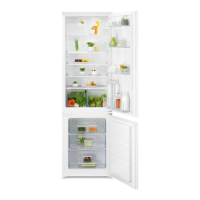
The appliance features a fridge compartment and a freezer compartment. The fridge compartment is designed for storing fresh food and includes movable shelves and vegetable drawers. The freezer compartment is suitable for freezing fresh food and storing frozen and deep-frozen food for extended periods.

Usage Features

The control panel, located on the appliance, allows users to manage various settings:

  • Temperature Regulation: The temperature regulator button allows users to select the desired temperature for the fridge compartment, with options ranging from 2°C to 8°C. The recommended setting is 4°C. The current temperature indicator blinks during selection, and the set temperature is stored even after a power failure.
  • FastFreeze Function: This function is used for pre-freezing and fast freezing in the freezer compartment. It accelerates the freezing of fresh food and protects already stored food from undesirable warming. It is recommended to activate this function at least 24 hours before placing fresh food in the freezer. The function stops automatically after 52 hours but can be deactivated manually at any time.
  • Door Open Alarm: If the fridge door is left open for approximately 5 minutes, an audible alarm will sound. This alarm can be muted by pressing any button and deactivates automatically after about one hour or when the door is closed.
  • High Temperature Alarm: In case of a temperature increase in the freezer compartment (e.g., due to a power failure), the alarm light flashes, and an audible alarm sounds. The sound can be deactivated by pressing any button, but the alarm light continues to flash until normal conditions are restored. The sound automatically switches off after about one hour if no button is pressed.
  • Movable Shelves: The refrigerator walls are equipped with runners, allowing shelves to be positioned at different heights to accommodate various food package sizes. Users should avoid moving the glass shelf above the vegetable drawer to ensure proper air circulation.
  • Vegetable Drawers: Special drawers at the bottom of the appliance are provided for storing fruits and vegetables.
  • Humidity Control: The glass shelf includes a device with adjustable slits (via a sliding lever) to regulate humidity in the vegetable drawer(s). Closing the slits is recommended for small amounts of fruits and vegetables to preserve moisture, while opening them is recommended for larger amounts to increase air circulation and lower moisture.
  • Freezing Fresh Food: To freeze fresh food, activate the FastFreeze function at least 24 hours beforehand. Store fresh food evenly in the first compartment or drawer from the top. Once freezing is complete, the appliance automatically reverts to the previous temperature setting.
  • Storage of Frozen Food: When using the appliance for the first time or after a period of disuse, it is recommended to run it with the FastFreeze function switched on for at least 3 hours before placing products in the freezer. Freezer drawers facilitate easy access to food packages. For large quantities, drawers can be removed, and food placed directly on shelves, ensuring it is no closer than 15 mm from the door.
  • Thawing: Deep-frozen or frozen food can be thawed in the refrigerator or in a plastic bag under cold water, depending on the food type and available time. Small pieces may even be cooked from frozen.

Maintenance Features

Regular maintenance is crucial for the appliance's longevity and efficient operation:

  • Periodic Cleaning: The interior and all internal accessories should be cleaned regularly with lukewarm water and a neutral soap. Door seals should be checked and wiped clean to ensure they are free from debris. The appliance should then be rinsed and dried thoroughly. Abrasive products, cleaning pads, solvents, or metal objects should not be used, as they can damage the finish.
  • Defrosting the Refrigerator: Frost is automatically eliminated from the refrigerator evaporator during normal use. The defrost water drains into a special container at the back of the appliance, where it evaporates. The defrost water drain hole in the middle of the refrigerator compartment channel should be periodically cleaned using the provided tube cleaner to prevent water overflow and dripping onto food.
  • Defrosting the Freezer: The freezer should be defrosted when the frost layer reaches a thickness of about 3-5 mm. To do this, switch off the appliance or unplug it, remove all stored food and place it in a cool location. Leave the door open, protecting the floor from defrosting water with a cloth or flat vessel. To speed up the process, place a pot of warm water in the freezer compartment and remove any ice pieces that break away. After defrosting, dry the interior thoroughly, switch on the appliance, close the door, and set the temperature regulator to maximum coldness for at least 3 hours before returning food. Users are cautioned not to use sharp metal tools or mechanical devices to accelerate defrosting, as this can damage the appliance.
  • Period of Non-Operation: If the appliance will not be used for a long period, it should be disconnected from the electricity supply, all food removed, defrosted, cleaned, and the doors left open to prevent unpleasant smells.
  • Closing the Door: To ensure proper door closure, clean the door gaskets, adjust the door if necessary (refer to installation instructions), and replace defective door gaskets by contacting the Authorized Service Centre.
  • Replacing the Lamp: The appliance is equipped with a long-life LED interior light. Only the Authorized Service Centre is permitted to replace the lighting device.

Electrolux LNS5LE18S Specifications

General IconGeneral
Lamp typeLED
Fridge net capacity198 L
Humidifier functionYes
Super Cool function-
Fridge door balconies4
Number of vegetable drawers2
Fridge number of shelves/baskets5
Cord length2.4 m
Connected load100 W
AC input voltage230 - 240 V
AC input frequency50 Hz
Energy efficiency scaleA to G
Annual energy consumption219 kWh
Energy efficiency index (EEI)100
IcemakerNo
Noise level34 dB
Climate classSN-T
Total net capacity271 L
Minimum operating temperature10 °C
Star rating4*
Freezer positionBottom-placed
Freezing capacity3.3 kg/24h
Freezer net capacity73 L
Freezer number of shelves/baskets3
Storage time during power failure- h
Door hingeRight
Control typeButtons
Product colorWhite
Shelves materialGlass
Appliance placementBuilt-in
Package depth600 mm
Package width590 mm
Package height1840 mm
Package weight58000 g
Weight and Dimensions IconWeight and Dimensions
Depth549 mm
Width546 mm
Height1772 mm
Weight56000 g
Depth with door open1068 mm
Installation compartment depth550 mm
Installation compartment width560 mm
Installation compartment height1773 mm

Related product manuals