16
Construction workers are one of the at-risk groups within this
because of the dust that they breathe: silica dust is not just a
nuisance; it is a real risk to your lungs!
Silica is a natural mineral present in large amounts in things like
sand, sandstone and granite. It is also commonly found in many
construction materials such as concrete and mortar. The silica is
broken into very ne dust (also known as Respirable Crystalline
Silica or RCS) during many common tasks such as cutting, drilling
and grinding Breathing in very ne particles of crystalline silica
can lead to the development of: Lung cancer Silicosis Chronic
Obstructive Pulmonary Disorder Chronic obstructive pulmonary
disease (COPD) And breathing in ne particles of wood dust can
lead to the development of Asthma The risk of lung disease is
linked to people who regularly breathe construction dust over a
period of time, not on the odd occasion.
To protect the lung, the COSHH Regulations sets a limit on the
amount of these dusts that you can breathe (called a Workplace
Exposure Limit or WEL) when averaged over a normal working
day. These limits are not a large amount of dust: when compared
to a penny it is tiny – like a small pinch of salt:
This limit is the legal maximum; the most you can breathe after the
right controls have been used.
HOW TO REDUCE THE AMOUNT OF DUST?
1. Reduce the amount of cutting by using the best sizes of
building products.
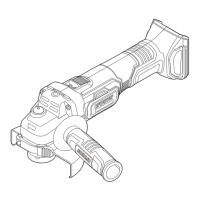
2. Use a less powerful tool e.g. a block cutter instead of angle
grinder.
3. Using a different method of work altogether – e.g. using a nail
gun to direct fasten cable trays instead of drilling holes rst.
Please always work with approved safety equipment, such as
those dust masks that specially designed to lter out microscopic
particles and use the dust extraction facility at all time.
For more information please see the HSE website: http://www.hse.
gov.uk/construction or http://www.hse.gov.uk/pubns/cis69.pdf



 To Next Page