Need help?
Do you have a question about the Fellow Clyde and is the answer not in the manual?
Essential safety precautions for operating the kettle, including checking parts and intended use.
Guidelines for filling the kettle to prevent over-boiling, damage, or injury.
Instructions for safe operation, including lid fit, handling hot surfaces, and avoiding damage.
Clean the kettle with liquid dish soap and a soft sponge before the first use.
Hand wash after each use with dish soap; avoid harsh chemicals and abrasive materials.
Use a burner no larger than the kettle's bottom diameter to prevent handle damage.
Ensure flame stays within the kettle base to avoid overheating the handle and lid.
Assess freshness, quality, and defects by identifying subtle bouquets of herbs, fruits, and flowers.
Evaluate brightness and delicate crispness, distinguishing it from sourness.
Determine the level and resemblance of sweetness, such as caramel or peaches.
Assess the weight or mouthfeel, comparing it to different milk consistencies.
Identify specific tastes like floral, fruit, tobacco, nutty, or earthy notes.
Evaluate lingering flavors and sweetness that remain after consumption.
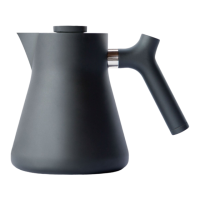
The Clyde Stovetop Tea Kettle is designed for home use, specifically for boiling water. It is compatible with electric and gas cooking ranges but should not be used in microwaves, ovens, or dishwashers.
The Clyde kettle's primary function is to boil water on a stovetop. A unique feature is its "harmonica noise" mechanism, which is activated when water boils, signaling that the water is ready. The kettle is equipped with a metal marble in the spout that seals it when not pouring, preventing spills. When the kettle is tilted, the marble rolls, opening the spout for water to be dispensed. This design ensures controlled pouring and prevents accidental spillage when carrying the kettle.
Before first use, the kettle should be thoroughly washed with liquid dish soap and rinsed. When using the kettle, it's crucial to adhere to the specified water levels. The maximum fill line (1.7 L / 54 oz) is marked on the inside surface just below the handle; overfilling can lead to over-boiling and prevent the harmonic spout from functioning correctly. Conversely, never boil under 0.5 L (16.9 oz) of water, as this can cause discoloration, damage, melting of parts, or burn injury. The kettle should never be heated while empty, as this can deform or damage the kettle, harm the cooking range, and increase the risk of fire.
For optimal performance and safety, ensure that the lid fits snugly onto the kettle, with no large gaps, to prevent hot water or steam from escaping. Always point the spout away from you when heating and boiling. After heating, avoid grabbing the kettle body directly, as it will be hot and can cause burn injury. Do not remove the lid or place hands over the lid area while the kettle is heating or boiling, as hot steam can cause burns. The handle should not be shaken, twisted, or moved side-to-side, as this may loosen it.
When using on electric ranges, ensure the burner is not larger than the bottom diameter of the kettle to prevent excessive heating, which could melt or damage the handle and lid. For gas ranges, the flame should not spread beyond the bottom of the kettle body, as a large flame can overheat and melt the handle and lid. Always wipe away any water on the bottom of the kettle before heating to ensure efficient and safe operation. The kettle should be centered on the heater for even heating.
The Clyde kettle requires simple maintenance to ensure longevity and hygiene. After each use, the kettle should be hand washed with liquid dish soap. Harsh cleaning agents such as chlorine, bleach, or other chemicals should not be used, as they can damage the kettle's finish and materials. After washing, the kettle should be thoroughly air-dried or towel-dried.
To preserve the finish, avoid using coarse sponges, brushes, or any rough surfaces, as these can cause scratches. The kettle should never be submerged in water, as this can damage the body, handle, or any internal components.
Over time, white spots may appear on the product due to magnesium and calcium residue from tap water. This is a normal occurrence and not harmful to health. Regular washing and drying after each use can help minimize this. If traces of salt or oil from other steel or aluminum products remain in contact with the kettle, corrosion may develop. Should corrosion be discovered, it can be addressed by applying a compounding polish with a soft sponge and rubbing, followed by thorough rinsing.
It is important to note that normal daily use on cooking ranges and contact with rough or unclean surfaces may cause wear and tear on the bottom finish of the kettle. This is considered normal wear and does not affect the kettle's functionality.
 General
| Temperature Control | No |
|---|---|
| Auto Shut-Off | Yes |
| Boil-Dry Protection | Yes |
| Material | Stainless Steel |
| Voltage | 120 V |
| Cord Length | 76.2 cm / 30 in |
| Color Options | Black |


 To Next Page