EasyManua.ls Logo

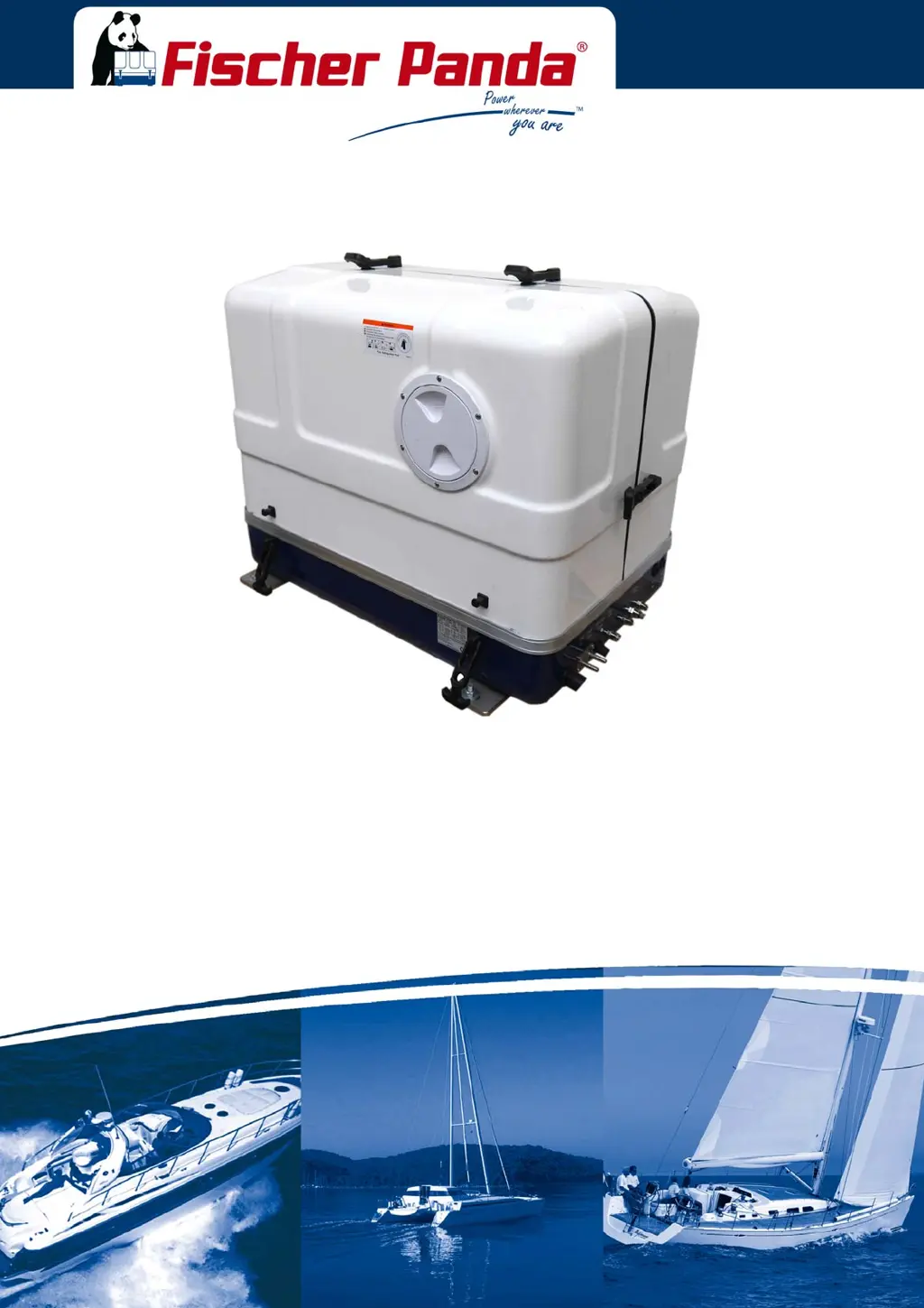
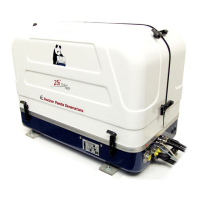
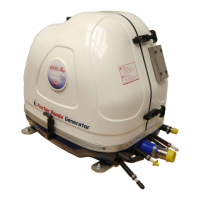
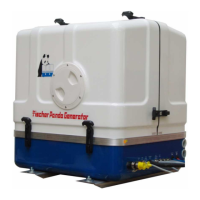
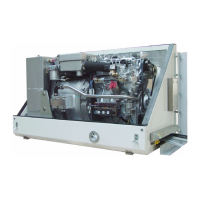
Fischer Panda 15 mini PMS Digital - User Manual

Fischer Panda 15 mini PMS Digital
162 pages
Print Icon
To Next Page IconTo Next Page
Loading...
Panda_15mini_PMS_Digital_VCS183_eng.R03 12.8.20
Manual Marine Generator
Panda 15 mini PMS Digital
120 V/240 V - 60 Hz / 16 kVA
230 V - 50 Hz / 15 kVA
Super silent technology

Table of Contents

Questions and Answers

  • T
    Tabitha JenkinsAug 4, 2025
    Why is the generator output voltage too low on my Fischer Panda 15 mini PMS Digital Inverter?
    • K
      Kristen ParksAug 5, 2025
      If the generator output voltage of your Fischer Panda Inverter is too low, it could be due to several reasons: * The generator is overloaded. Reduce the electrical load by switching off some devices. * The motor is not reaching the rated RPM. Refer to the „motor faults“ section for troubleshooting. * There are defective capacitors. Check the capacitors and replace them if necessary.
  • S
    sextontracyAug 9, 2025
    Why is the generator voltage too high on my Fischer Panda 15 mini PMS Digital?
    • R
      Rebekah TurnerAug 9, 2025
      If the generator voltage of your Fischer Panda Inverter is too high, it's likely due to over-energizing caused by wrong capacitors. Check the capacitor type and replace them if necessary.
  • M
    maria59Aug 14, 2025
    What causes the generator voltage to fluctuate on my Fischer Panda 15 mini PMS Digital?
    • S
      Sharon NguyenAug 14, 2025
      If the generator voltage fluctuates on your Fischer Panda Inverter, it could be due to disturbances on the electrical system or user side. Check if the electrical load is fluctuating. Another cause could be motor disturbances. Refer to the section „Motor runs irregular“ for troubleshooting.
  • B
    brownamandaAug 19, 2025
    What to do if my Fischer Panda 15 mini PMS Digital generator is not able to start an electric motor?
    • B
      Brandi SimmonsAug 19, 2025
      If the Fischer Panda Inverter generator isn't starting an electric motor, it's likely because the motor needs too much current to start. You can check the motor's current draw required for starting. If possible, switch to a 3-phase motor. Alternatively, consider stronger capacitors or installing an optional „Easy Start Booster Set“. Contact your nearest Panda dealer or the manufacturer for more information.
  • P
    pmillerAug 25, 2025
    Why does the diesel motor of my Fischer Panda 15 mini PMS Digital fail to start?
    • J
      Justin NguyenAug 25, 2025
      If the diesel motor of your Fischer Panda Inverter fails to start, there are several potential causes: * The starter battery might be switched off. Check the battery switch position and turn it on, if installed. * The starter battery voltage could be insufficient. Inspect the battery terminals and cables for good electrical connections, checking for corrosion or damaged wires. * The starting current may be disrupted. During starting, the battery voltage should drop to 11V with a fully charged battery. If the voltage doesn't drop, the electrical connection is faulty. If it drops below 11V, the battery is discharged.
  • K
    Kimberly NelsonAug 30, 2025
    What to do if the starter is turning motor, but it fails to start on my Fischer Panda 15 mini PMS Digital Inverter?
    • J
      Justin HesterAug 30, 2025
      If the starter is turning the motor but it fails to start on your Fischer Panda Inverter, consider the following: * The fuel pump might not be working. Check the fuel filter and pump, and clean if necessary. * There might be a lack of fuel. Verify the fuel supply. * The glow plugs may not be working correctly. Check the glow plugs and heating time. * There could be too much air in the fuel lines. Test the fuel system for leaks and bleed air from the fuel system. * The fuel filter might be blocked. Replace the fuel filter.

Summary

General Instructions and Regulations

1.1 Safety First!

Essential safety guidelines and warnings for generator operation and maintenance.

1.2 Tools

Lists and illustrates the tools required for maintenance and installation tasks.

1.3 Manufacturer Declaration

Declaration of conformity with Machinery Directive 2006/42/EC.

1.4 Customer Registration and Guarantee

Benefits of product registration and details on warranty coverage.

1.5 Safety Instructions

Detailed safety procedures, personal protective equipment, and hazard prevention.

1.6 Warning and Instruction Signs

Explains the meaning and importance of various warning and instruction signs.

Emergency First Aid

2.1 WHEN AN ADULT STOPS BREATHING

Step-by-step guide for administering CPR and rescue breathing.

Basics

3.1 Intended Use of the Machine

Defines the generator's intended applications and operational limitations.

3.2 Panda Transport Box

Instructions for opening and using the generator's transport box.

3.3 Transport and Loading;Unloading

Guidelines for safely transporting and loading/unloading the generator.

3.4 Scope of Delivery

Lists the components included with the Fischer Panda generator system.

3.5 Special Maintenance Notes

Recommendations for generator maintenance during long periods of standstill.

The Panda Generator

4.1 Type Plate at the Generator

Explanation of the information presented on the generator's type plate.

4.2 Description of the Generator

Detailed overview of the generator's physical layout and components.

4.3 Details of Functional Units

In-depth description of key functional components like the remote control panel.

4.4 Operation Instructions

Step-by-step guidelines for operating the generator.

Generator Operation Instruction

5.1 Personal Requirements

Specifies the qualifications and conditions for generator operators.

5.2 General Operating Instruction

Provides general guidance for the safe and effective operation of the generator.

5.3 Instructions for Capacitors

Safety instructions and precautions for handling generator capacitors.

5.4 Checks Before Start, Starting and Stopping

Procedures for pre-operation checks, starting, and stopping the generator.

Installation Instructions

6.1 Personal Requirements

Specifies the qualifications required for installation personnel.

6.2 Place of Installation

Guidance on selecting an appropriate location for generator installation.

6.3 Generator Connections

Details on electrical, fuel, and cooling system connections.

6.4 Installation of the Cooling System - Raw Water

Instructions for installing the raw water cooling system.

6.6 Installation of the Waterlock

Guidance on installing and positioning the waterlock correctly to prevent water ingress.

6.10 Generator DC System Installation

Instructions for connecting the generator's DC electrical system and battery.

6.11 Generator AC System Installation

Guidance on installing the generator's AC electrical system and connections.

6.13 Instructions on Prevention of Galvanic Corrosion

Measures to prevent galvanic corrosion during installation and operation.

6.14 Insulation Test

Procedure for performing an insulation test after installation.

6.15 Set into Operation

Steps for bringing the generator into operational status.

Maintenance Instructions

7.1 Personal Requirements

Specifies the qualifications required for maintenance personnel.

7.4 General Maintenance Instructions

General guidelines and checks for routine maintenance tasks.

7.6 Checking Oil-level

Procedure for checking and verifying the engine oil level.

7.7 Replacement of Engine Oil and Engine Oil Filter

Step-by-step instructions for changing engine oil and oil filter.

7.8 Verifying the Starter Battery

Procedures for checking the starter battery's condition and connections.

7.9 Checking the Water Separator in the Fuel Supply

Instructions for checking and maintaining the fuel water separator.

7.12 Check and Discharge the Capacitors

Safety procedures for checking and discharging generator capacitors.

Generator Faults

8.1 Personal Requirements

Specifies qualifications for personnel troubleshooting generator faults.

8.2 Hazard Notes for this Chapter

Safety warnings specific to troubleshooting generator faults.

8.3 Tools and Measuring Instruments

Lists essential tools and instruments for diagnosing generator faults.

8.4 Troubleshooting Table and Flowchart

A systematic guide for diagnosing and resolving common generator issues.

8.6 Overloading the Generator

Explains the effects of overloading and how to prevent it.

8.7 Generator Provides No Voltage

Troubleshooting steps when the generator fails to produce voltage.

8.8 Engine Starting Problems

Addresses common issues related to starting the generator engine.

8.9 Check and Discharge the Capacitors

Safety procedures for checking and discharging generator capacitors.

Tables

9.1 Technical Data

Provides key technical specifications for the Panda generator.

9.2 Rated Current

Lists the rated current values for various generator models.

9.3 Cable Cross Section

Table detailing recommended cable cross-sections for different current ratings.

9.5 Engine Oil

Information on engine oil classification, quality, and operating ranges.

9.6 Coolant Specifications

Details on recommended coolant types and mixture ratios.

Fischer Panda 15 mini PMS Digital Specifications

General IconGeneral
ModelFischer Panda 15 mini PMS Digital
Continuous Output12 kW
Voltage230 V
Frequency50 Hz
Control SystemDigital
Power Output12 kW
Phase1
Efficiency90%

Related product manuals