OVEN TRACKER XL2 Thermal Barriers and Heatsinks 33
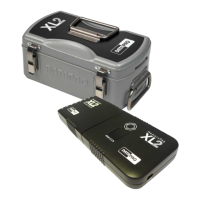
TB5010-XL IP65 Waterproof XL2 (with Heatsink)
Typical applications: dry-off ovens, processes with water-shower rinse. This
barrier is not silicone-free.
Temp °C 100 150 200 250 300
Temp °F 212 302 392 482 572
Duration (mins) 270 150 105 75 48
Dimensions Height
Width
Length
Weight
100 mm
219
mm
3
93 mm
6.0
kg
3.9 in.
8.6 in.
15.5 in.
1
3.2 lb
Heatsink 1 × TB9963
A wide range of thermal barriers is available from Datapaq for use with loggers
other than the XL2.
Selecting a Thermal Barrier
The protection which the thermal barrier needs to provide for the logger
depends on the nature of the process whose temperature is being profiled –
primarily its temperature and duration. Selection of the appropriate barrier
needs thus to be done carefully, as follows.
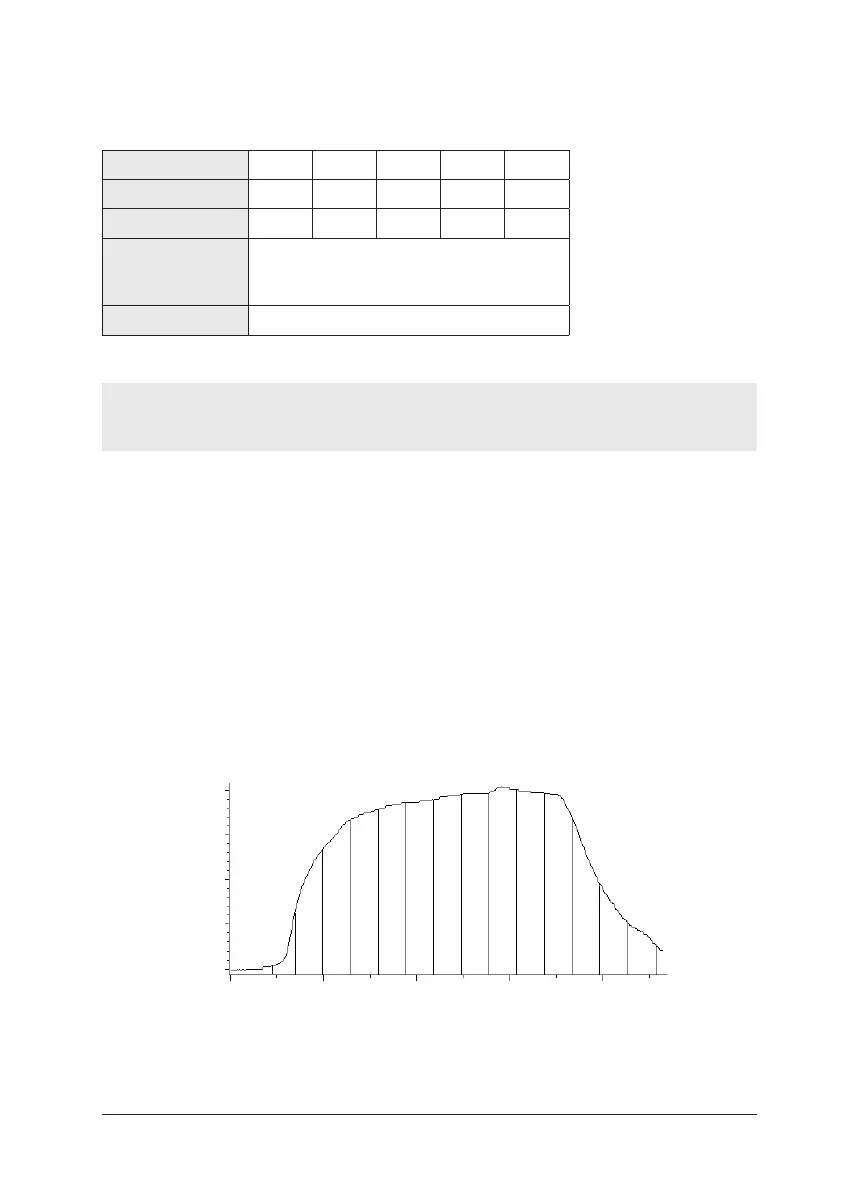
1. Plot a graph of the temperature versus time characteristics of the process.
2. Divide the horizontal axis into equal increments and draw verticals. Read
the temperature at each vertical. (The number of verticals is determined by
the complexity of the profile’s shape: more are required when the shape is
complex, fewer when it is simple.)
0:00:00
125
100
°C
75
50
25
0:10:00 0:20:00 0:30:00 0:40:00
A typical temperature profile experienced by an automotive component during curing.
The average temperature is 90°C/194°F.


 To Next Page