are present, the pivot bushing and one or more
of the mating components may require replace-
ment:
• Evidence of wear marks on the inside of
the frame hanger legs indicating metal-to-
metal contact or movement.
• The snout of the QUICK-ALIGN concentric
or eccentric collar is elongated or dam-
aged.
6. Check the suspension alignment and adjust if
necessary. For instructions, see Section 32.05 in
the Recreational Vehicle Chassis Workshop
Manual.
D-Pin Bushing Visual Inspection
It is not necessary to disassemble the D-pin connec-
tion to perform a visual inspection of the D-pin bush-
ing. The D-pin bushing is designed with a layer of
rubber in the bushing. It is acceptable to see a bead
of rubber protruding from the bushing. See
Fig. 10.
D-pin bushing replacement is required when metal-
to-metal contact wear marks on the D-pin outer metal
are evident, or the D-pin outer metal is distorted. See
Fig. 11.
V-Rod Assembly Inspection
WARNING
The V-Ride rear air suspension incorporates
V-torque rods for vehicle stability. If these compo-
nents are disconnected or are non-functional, the
vehicle should not be operated. Failure to do so
can result in adverse vehicle handling and pos-
sible tire contact with the frame. Operating a ve-
hicle with non-functional V-torque rods can result
in the loss of vehicle control, severe personal in-
jury, and component damage.
NOTE: Grade 8 bolts and Grade C locknuts are
recommended for all torque rod attachments.
1. Visually inspect the torque rod bushing for metal-
to-metal contact. Inspect for bent, cracked, or
broken torque rods, and for end hubs with an
elongated oval shape. Any of these conditions
require component replacement.
2. Inspect the torque rods for looseness. With the
vehicle shut down, a lever check can be per-
04/15/2014 f321191
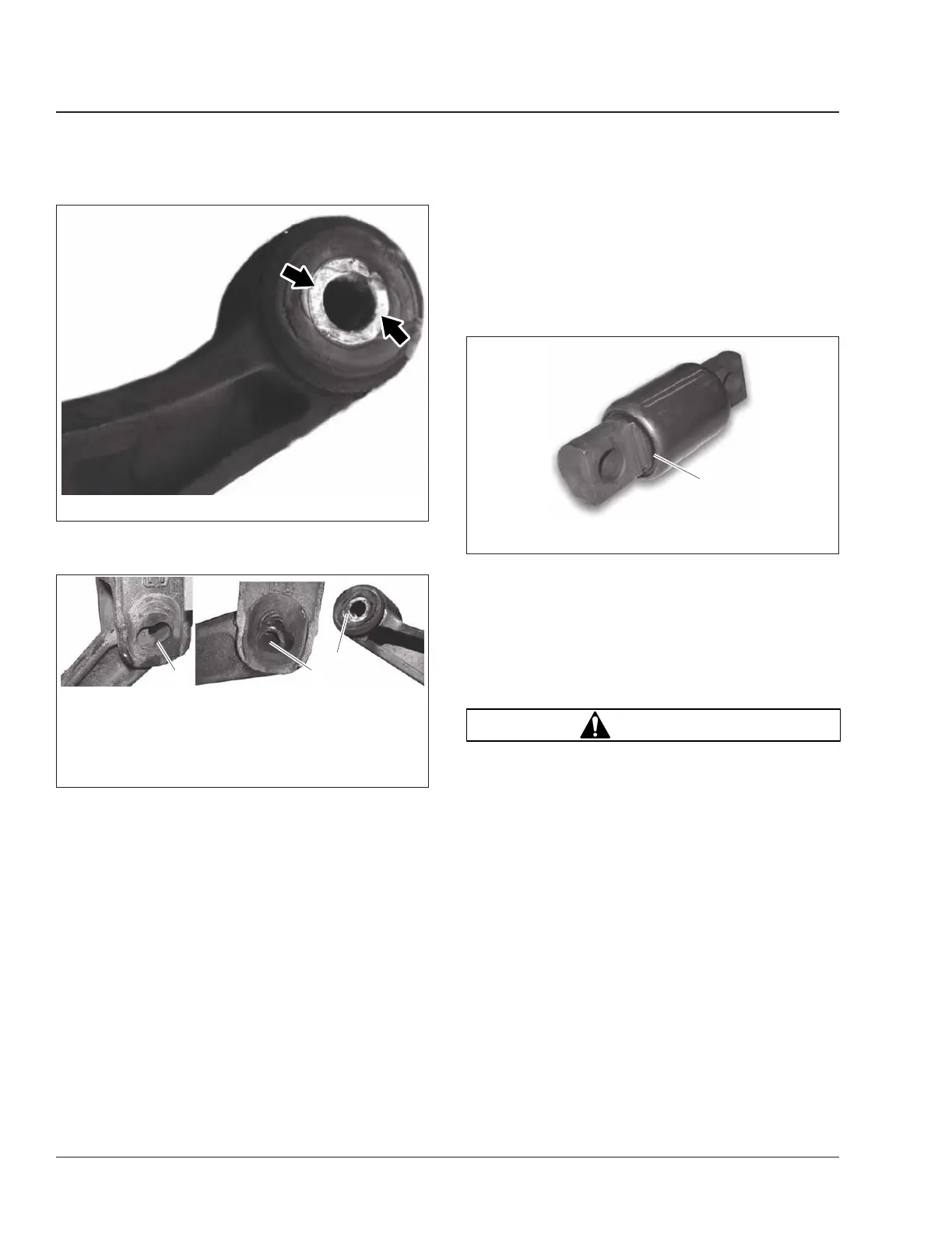
Fig. 8, Good Joint with an Imprinted Two-Line Wear
Pattern
04/15/2014 f321192
1
2
3
NOTE: All of these examples exhibit a loose joint.
1. Elongated/Damaged Bore
2. Distorted Rubber
3. Rust
Fig. 9, Inspecting for Indications of a Loose Joint
04/15/2014 f321193
1
1. Bead of Rubber
Fig. 10, Acceptable D-Pin
Suspension32
Recreational Vehicle Chassis Maintenance Manual, June 201532/8



 To Next Page