EasyManua.ls Logo

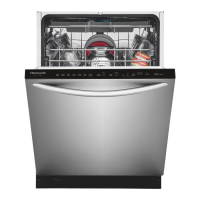
Frigidaire FGCD2444SA - User Manual

Frigidaire FGCD2444SA
20 pages
Print Icon
To Next Page IconTo Next Page
Loading...
TABLE OF CONTENTS
www.frigidaire.com USA 1-800-944-9044 www.frigidaire.ca Canada 1-800-265-8352
All about the
Use & Care
of your Dishwasher
Important Safety Instructions ......................2
Product Registration ...................................3
Features at a Glance ...................................4
Operating Instructions .............................4-6
Preparing and Loading Dishes ................7-10
P/N:A05272501RevC Artwork A05272501Rev005 (December 2019)
Dishwasher Dispenser and Detergents .......11
Factors Aecting Performance ...................12
Care and Cleaning ............................... 13-14
Before you Call ....................................15-17
Notes ......................................................18
Major Appliance Warranty .........................19
Question and Answer IconNeed help?

Do you have a question about the Frigidaire FGCD2444SA and is the answer not in the manual?

Summary

Important Safety Instructions

Product Registration

Normal Operating Sounds

This dishwasher is quieter than most. Normal sounds include water filling, pump operation, and draining.

Features at a Glance

Operating Instructions

Getting Started

Steps to begin operating the dishwasher, including loading, adding detergent, and starting a cycle.

Wash Cycle Selections

Explanation of cycle times, water usage, and how options affect performance and results.

Option Selections

Details on various wash cycle options like Hi-Temp, Sanitize, Delay Start, and Heat Dry.

Child Lock Controls

Instructions for locking and unlocking the dishwasher controls to prevent accidental changes.

Preparing and Loading Dishes

Dish Preparation

Steps for scraping food, pre-rinsing, and preparing dishes before loading into the dishwasher.

Loading the Top Rack

Guidance on how to properly load items like cups, glasses, and stemware into the upper rack.

Loading the Bottom Rack

Instructions for loading plates, bowls, cookware, and large items into the lower rack.

Loading the Silverware Basket

Guidance on loading silverware and small items, including safety precautions for sharp objects.

Dishwasher Dispenser & Detergents

Filing the Detergent Dispenser

Instructions on how to fill the detergent dispenser cups with the correct amount of detergent.

How much Detergent to use

Guidance on determining the correct detergent amount based on water hardness and cycle selection.

Factors Affecting Performance

Rinse Aid

How rinse aid improves drying, reduces spots, and its dispenser operation and adjustment.

Water Pressure

Required water pressure range for optimal dishwasher performance.

Water Temperature

Importance of hot water and how to check and ensure adequate temperature for washing.

Care and Cleaning

To empty the glass trap

Step-by-step instructions for removing and emptying the glass trap assembly.

Outer Door

Cleaning instructions for the outer door using mild soap and water.

Inside

Information about the self-cleaning interior, tub gasket, and filter.

Overfill Protector

How to clean the overfill protector to ensure proper function.

Before You Call

Food Soils Left on Dishes

Troubleshooting tips for food residue remaining on dishes after a cycle.

Dishes not Dry

Solutions for dishes not drying properly, including checking options and loading.

Glassware;Flatware Spotted or Cloudy

Tips for preventing and resolving spots or cloudiness on glassware and flatware.

Dishware Chipped

Causes and solutions for dishware chipping during the wash cycle.

Notes

Major Appliance Warranty

Exclusions

List of conditions and circumstances not covered by the appliance warranty.

If You Need Service

Information on how to obtain warranty service and contact Electrolux.

Summary

Important Safety Instructions

Product Registration

Normal Operating Sounds

This dishwasher is quieter than most. Normal sounds include water filling, pump operation, and draining.

Features at a Glance

Operating Instructions

Getting Started

Steps to begin operating the dishwasher, including loading, adding detergent, and starting a cycle.

Wash Cycle Selections

Explanation of cycle times, water usage, and how options affect performance and results.

Option Selections

Details on various wash cycle options like Hi-Temp, Sanitize, Delay Start, and Heat Dry.

Child Lock Controls

Instructions for locking and unlocking the dishwasher controls to prevent accidental changes.

Preparing and Loading Dishes

Dish Preparation

Steps for scraping food, pre-rinsing, and preparing dishes before loading into the dishwasher.

Loading the Top Rack

Guidance on how to properly load items like cups, glasses, and stemware into the upper rack.

Loading the Bottom Rack

Instructions for loading plates, bowls, cookware, and large items into the lower rack.

Loading the Silverware Basket

Guidance on loading silverware and small items, including safety precautions for sharp objects.

Dishwasher Dispenser & Detergents

Filing the Detergent Dispenser

Instructions on how to fill the detergent dispenser cups with the correct amount of detergent.

How much Detergent to use

Guidance on determining the correct detergent amount based on water hardness and cycle selection.

Factors Affecting Performance

Rinse Aid

How rinse aid improves drying, reduces spots, and its dispenser operation and adjustment.

Water Pressure

Required water pressure range for optimal dishwasher performance.

Water Temperature

Importance of hot water and how to check and ensure adequate temperature for washing.

Care and Cleaning

To empty the glass trap

Step-by-step instructions for removing and emptying the glass trap assembly.

Outer Door

Cleaning instructions for the outer door using mild soap and water.

Inside

Information about the self-cleaning interior, tub gasket, and filter.

Overfill Protector

How to clean the overfill protector to ensure proper function.

Before You Call

Food Soils Left on Dishes

Troubleshooting tips for food residue remaining on dishes after a cycle.

Dishes not Dry

Solutions for dishes not drying properly, including checking options and loading.

Glassware;Flatware Spotted or Cloudy

Tips for preventing and resolving spots or cloudiness on glassware and flatware.

Dishware Chipped

Causes and solutions for dishware chipping during the wash cycle.

Notes

Major Appliance Warranty

Exclusions

List of conditions and circumstances not covered by the appliance warranty.

If You Need Service

Information on how to obtain warranty service and contact Electrolux.

Overview

This document is a Use & Care Guide for a Frigidaire dishwasher, providing comprehensive instructions for its operation, maintenance, and troubleshooting.

Function Description

The Frigidaire dishwasher is designed to clean dishes by spraying a mixture of hot water and detergent through spray arms against soiled surfaces. The cleaning process involves several steps: the dishwasher first fills with water to cover the filter area, then pumps water through the spray arms. Soil particles are filtered and drained out with the water. This series of steps is repeated as needed, with the number of water fills varying depending on the selected cycle. The dishwasher is designed to operate on regular house current (120V, 60Hz) and requires a 15-ampere fuse or circuit breaker (20-ampere if connected with a food disposer). It is electrically grounded and should not be operated unless all enclosure panels are in place.

Usage Features

The dishwasher offers various wash cycles and options to accommodate different soil levels and user preferences.

Wash Cycles:

  • Heavy Clean: Recommended for pots, pans, casseroles, and dinnerware with light to heavily soiled loads.
  • Normal Clean: Recommended for lightly to heavily soiled loads.
  • Quick Clean: Recommended for lightly soiled loads only.
  • Top Rack: Recommended for small loads in the upper rack only that are light to heavily soiled.
  • Rinse Only: For rinsing dishware that will be washed later.

DishSense™ Technology is integrated into the HEAVY CLEAN, NORMAL CLEAN, and TOP RACK cycles. This technology checks the soil level on dishes and adjusts water fills accordingly, potentially lengthening or shortening the cycle time and varying water usage based on soil amount and incoming water temperature.

Option Selections:

  • Hi-Temp Wash: Heats water in the main wash to approximately 140°F (60°C) to enhance detergent effectiveness against food grease and soil, and aids in drying. It is available with HEAVY and NORMAL CLEAN cycles and is automatically provided with HEAVY CLEAN.
  • Sanitize: Raises the final rinse water temperature to 155°F (68°C) for 9 minutes to sanitize dishes and glassware, meeting NSF requirements. The cycle time extends until the proper temperature is reached, with washing action continuing during the heating delay. For best results, incoming water temperature should be at least 120°F (49°C).
  • Heat Dry/Air Dry: The HEAT DRY option, especially with rinse aid, enhances drying. The AIR DRY option deactivates the heater during the drying phase, reducing energy use but potentially leaving dishes less dry.
  • Delay Start: Allows delaying the start of the dishwasher for 2, 4, or 6 hours.
  • Child Lock Controls: Locks the dishwasher controls to prevent accidental changes or starts. Activated by pressing and releasing the AIR DRY pad for 3 seconds while the door is latched.

Loading Features:

  • Top Rack: Designed for flexibility, accommodating cups, glasses, stemware, small plates, and bowls. Glasses and plastic items should be loaded in the top rack only to prevent damage or melting. Items should be loaded with open ends facing down for better cleaning and draining. Some models include a fold-down cup shelf or stemware holder for loading two levels of smaller items.
  • Adjustable Upper Rack (select models): Can be raised or lowered to accommodate different item heights.
  • Bowl Tines (select models): Offer flexibility for loading, allowing for saucers, small dishes, casserole dishes, or hard-to-fit items.
  • Bottom Rack: Best for plates, saucers, bowls, and cookware. Large items should be placed along the edge to avoid blocking spray arm rotation. Bowls, casseroles, and saucepans should be placed with soiled surfaces facing down or toward the center, tilted for better drainage. Pan handles should not protrude through the bottom of the rack.
  • Fold-down Tines (select models): In the lower rack, these tines can be left up for normal use or folded down for loading larger pots or pans.
  • Silverware Basket: Can be loaded while in the bottom rack or removed for loading on a counter or table. Sharp items (knives, skewers) should be loaded pointing down to prevent injury. Some models have a covered section for small items like baby bottle caps or jar lids. Silver and stainless items should not be mixed to prevent damage to silver. Items should be mixed with some pointing up and some down to avoid nesting.

Detergent Dispenser:

The dispenser has one covered cup for the main wash and one uncovered cup for the pre-wash. Detergent in the uncovered cup falls into the dishwasher when the door closes, while the covered cup opens automatically. Only fresh automatic dishwashing detergent should be used. Detergent tabs should be placed in the main wash cup. The amount of detergent depends on water hardness, with a chart provided for guidance.

Rinse Aid Dispenser:

Automatically releases a measured amount of rinse aid during the last rinse to improve drying, reduce water spots, filming, and lubricate wash arm bearings. The dispense amount can be adjusted. The indicator shows when it's time to refill.

Maintenance Features

Glass Trap:

Located in the center of the filter, the glass trap collects pieces of broken glass, straws, bones, and pits. To empty, grasp the handle, rotate 90° clockwise while pressing down on the wash arm, then lift the spray arm and glass trap assembly. Tip the assembly to empty, or separate the glass trap by pulling it toward you, then up. Ensure the assembly is fully snapped back into place after cleaning.

Outer Door:

Clean with warm soapy water and a dishcloth or sponge. Rinse with clean water and dry thoroughly. Avoid harsh cleaners.

Inside:

The inside of the dishwasher and filter are self-cleaning with normal use. If needed, clean around the tub gasket area with a damp cloth.

Overfill Protector:

Located in the left front corner of the tub, it prevents overfilling. Clean occasionally with household cleaner containing vinegar or bleach to dissolve buildup. It should move freely about one inch; if not, lift and clean underneath.

Drain Air Gap:

If installed, check to ensure it is clean for proper drainage. This is not part of the dishwasher and not covered by warranty.

Winterizing:

For dishwashers in unheated places, protection from freezing is necessary. This involves disconnecting electrical power, shutting off the water supply, draining water from the inlet valve and pump, and then restoring service by flushing the water line, reconnecting supplies, and running a HEAVY CLEAN cycle with detergent.

Troubleshooting:

The guide includes a "Before You Call" section to help users diagnose and resolve common issues such as food soils left on dishes, dishes not drying, glassware/flatware spotting or cloudiness, chipped dishware, vapor at the vent, stained or discolored dishware, water in the bottom of the tub, long cycle times, etching, detergent left in cups, leaks, and unusual noises. Instructions are provided for removing spots and film using white vinegar.

Frigidaire FGCD2444SA Specifications

General IconGeneral
BrandFrigidaire
ModelFGCD2444SA
TypeBuilt-In Dishwasher
ColorStainless Steel
Capacity14 Place Settings
Control TypeElectronic
Width24 inches
Depth24 inches
Energy Star CertifiedYes
Soil SensorYes
Delay StartYes
Third RackYes
Stainless Steel InteriorYes

Related product manuals