EasyManua.ls Logo

Funbikes QD03K - User Manual

Funbikes QD03K
22 pages
Print Icon
To Next Page IconTo Next Page
Loading...
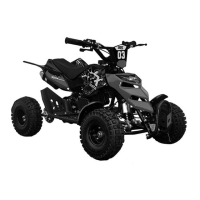
49CC MINI ATV
QD03 /QD03K
OWNER’S MANUAL
Read and understand this entire manual before using!
NOTE: Manual illustrations are for demonstration purposes only.
Illustrations may not reflect exact appearance of actual product.
Specifications subject to change without notice.
OFF ROAD USE ONLY!!!
NEVER OPERATE THIS VEHICLE IF YOU ARE UNDER
AGE 12!!!
Question and Answer IconNeed help?

Do you have a question about the Funbikes QD03K and is the answer not in the manual?

Summary

Introduction to the Owners Manual

Safety Warnings and Rider Supervision

General Safety Precautions

Covers hazards, rider age, supervision, and responsible use of the vehicle.

Acceptable Riding Practices and Conditions

Riding Environment and Rules

Obey laws, use controlled environments, avoid public roads, and ride defensively.

Operational Guidelines

Follow speed limits, know limits, avoid hazardous conditions, and refrain from distractions.

Prohibited Items and Actions

Hot Component Safety

Do not touch hot brakes or engine parts as they can cause burns.

Fuel and Operation Safety

Fuel Handling and Safety

Covers fuel mixture, storage, engine operation, and electrical safety precautions.

Substance Use and Insurance Disclaimer

Never use alcohol/drugs; check insurance coverage for vehicle use.

Proper Riding Attire

Essential Protective Gear

Always wear approved safety helmet, elbow pads, kneepads, and suitable footwear.

Location of Warning Stickers

Sticker A: Front Fender Warnings

Sticker A on the front fender warns about tire pressure and overloading risks.

Sticker B: Fuel Tank Cap Warnings

Sticker B on the fuel cap warns about fuel type, mixture, and engine stop during fueling.

Warning Sticker Locations

Sticker C: Right Front Fender

Sticker C warns against improper use, mandates protective gear, and restricts passengers.

Sticker D: Rear Fender Warnings

Sticker D warns about age limits, supervision, passengers, and off-road use.

Sticker E: Engine Side Warning

Sticker E on the engine warns about hot exhaust system components.

PIN Location and Preparation

PIN Identification

Explains how to locate the unique Product Identify Number (PIN) on the ATV frame.

Unpacking and Inspection

Guide to unpacking the ATV and inspecting for shipping damage.

Assembly Tools and Time

Lists required tools and estimates assembly time for the ATV.

Assembly Instructions

Rear Wheel Assembly

Detailed steps for assembling the rear wheel onto the ATV.

Rear Shocker Installation

Instructions for correctly mounting the rear shock absorber.

Front Wheel Assembly

Step-by-step guide for assembling the front wheel.

Additional Assembly Procedures

Tie Rod Assembly

Steps for assembling the tie rod and related components.

Front Shock Installation

Instructions for fitting the front shock absorber.

Bumper Assembly

Guidance on how to assemble the front bumper.

Final Assembly Steps

Chain Cover Installation

Instructions for installing the front and rear chain covers.

Number Board Mounting

Steps for mounting the number board bracket to the steering rod plate.

Handlebar Assembly

Detailed instructions for assembling and securing the handlebars.

Handlebar and Tire Inflation

Handlebar Tightening Warning

Warning about the critical importance of properly tightening handlebar bolts.

Tire Inflation Guidance

Covers correct tire pressure, assembly, and importance of tire condition.

Tire Information

Details on tire pressure, assembly, disassembly, and general tire care.

Tire Maintenance and Specifications

Tire Maintenance and Replacement

Guidance on checking tread, replacing tires, and understanding tire aging.

Technical Specifications

Comprehensive list of technical specifications for the ATV.

Product Description

Component Identification

Diagram and list identifying all major parts of the ATV.

Operating Controls and Safety

Hand Controls and Parking Brake

Identifies handlebar controls and explains parking brake operation.

Pre-Ride Safety Checks

Essential checks before riding: loose parts, fasteners, and brake function.

Vehicle Inspection and Care

Structural and Tire Inspection

Inspect frame, fork, handlebars for damage and check tire pressure regularly.

Safety Gear and Tightening Checks

Always wear safety gear and check all tightenings after first use.

Maintenance and Operational Guides

Driving, Maintenance, and Fueling

Drive ecologically, perform maintenance, and follow fueling procedures.

Engine Break-in and Startup

Running-In Procedures

Precautions during the first 25 hours of operation and initial oil change.

Engine Startup Guide

Step-by-step instructions for starting the engine using the manual pull.

Air Filter Maintenance

How to access, clean, and reinsert the air filter element.

Spark Plug and Brake Checks

Spark Plug Inspection and Replacement

Guidance on checking spark plug condition, electrode gap, and replacement.

Brake Pad Wear Check

Instructions on how to inspect brake pads for wear and when to replace them.

Brake Adjustment Procedure

Steps for adjusting the front and rear brakes using cable clamps.

Post-Cleaning Checks and Adjustments

Checks After Cleaning

Lubrication and drying procedures for components after washing.

Brake System Adjustments

Adjusting brake lever play and caliper settings for optimal performance.

Idling Speed Adjustment

Procedure for correctly calibrating the engine's idling speed.

Caution and Troubleshooting

Carburetor Fuel Release

Steps for safely releasing fuel from the carburetor after use.

Common Problems and Solutions

Troubleshooting guide for engine start issues, misfires, overheating, and weak brakes.

Electrical Circuit Diagram

Electric Start Model Circuit

Schematic diagram of the electrical system for the electric start version.

Mandatory Safety Symbols and Guidelines

Reading, Age, and Usage Restrictions

Read manual, obey age limits, use off-road only, no passengers.

Gear, Substances, and Tire Pressure

Wear protective gear, avoid drugs/alcohol, check cold tire pressure.

Summary

Introduction to the Owners Manual

Safety Warnings and Rider Supervision

General Safety Precautions

Covers hazards, rider age, supervision, and responsible use of the vehicle.

Acceptable Riding Practices and Conditions

Riding Environment and Rules

Obey laws, use controlled environments, avoid public roads, and ride defensively.

Operational Guidelines

Follow speed limits, know limits, avoid hazardous conditions, and refrain from distractions.

Prohibited Items and Actions

Hot Component Safety

Do not touch hot brakes or engine parts as they can cause burns.

Fuel and Operation Safety

Fuel Handling and Safety

Covers fuel mixture, storage, engine operation, and electrical safety precautions.

Substance Use and Insurance Disclaimer

Never use alcohol/drugs; check insurance coverage for vehicle use.

Proper Riding Attire

Essential Protective Gear

Always wear approved safety helmet, elbow pads, kneepads, and suitable footwear.

Location of Warning Stickers

Sticker A: Front Fender Warnings

Sticker A on the front fender warns about tire pressure and overloading risks.

Sticker B: Fuel Tank Cap Warnings

Sticker B on the fuel cap warns about fuel type, mixture, and engine stop during fueling.

Warning Sticker Locations

Sticker C: Right Front Fender

Sticker C warns against improper use, mandates protective gear, and restricts passengers.

Sticker D: Rear Fender Warnings

Sticker D warns about age limits, supervision, passengers, and off-road use.

Sticker E: Engine Side Warning

Sticker E on the engine warns about hot exhaust system components.

PIN Location and Preparation

PIN Identification

Explains how to locate the unique Product Identify Number (PIN) on the ATV frame.

Unpacking and Inspection

Guide to unpacking the ATV and inspecting for shipping damage.

Assembly Tools and Time

Lists required tools and estimates assembly time for the ATV.

Assembly Instructions

Rear Wheel Assembly

Detailed steps for assembling the rear wheel onto the ATV.

Rear Shocker Installation

Instructions for correctly mounting the rear shock absorber.

Front Wheel Assembly

Step-by-step guide for assembling the front wheel.

Additional Assembly Procedures

Tie Rod Assembly

Steps for assembling the tie rod and related components.

Front Shock Installation

Instructions for fitting the front shock absorber.

Bumper Assembly

Guidance on how to assemble the front bumper.

Final Assembly Steps

Chain Cover Installation

Instructions for installing the front and rear chain covers.

Number Board Mounting

Steps for mounting the number board bracket to the steering rod plate.

Handlebar Assembly

Detailed instructions for assembling and securing the handlebars.

Handlebar and Tire Inflation

Handlebar Tightening Warning

Warning about the critical importance of properly tightening handlebar bolts.

Tire Inflation Guidance

Covers correct tire pressure, assembly, and importance of tire condition.

Tire Information

Details on tire pressure, assembly, disassembly, and general tire care.

Tire Maintenance and Specifications

Tire Maintenance and Replacement

Guidance on checking tread, replacing tires, and understanding tire aging.

Technical Specifications

Comprehensive list of technical specifications for the ATV.

Product Description

Component Identification

Diagram and list identifying all major parts of the ATV.

Operating Controls and Safety

Hand Controls and Parking Brake

Identifies handlebar controls and explains parking brake operation.

Pre-Ride Safety Checks

Essential checks before riding: loose parts, fasteners, and brake function.

Vehicle Inspection and Care

Structural and Tire Inspection

Inspect frame, fork, handlebars for damage and check tire pressure regularly.

Safety Gear and Tightening Checks

Always wear safety gear and check all tightenings after first use.

Maintenance and Operational Guides

Driving, Maintenance, and Fueling

Drive ecologically, perform maintenance, and follow fueling procedures.

Engine Break-in and Startup

Running-In Procedures

Precautions during the first 25 hours of operation and initial oil change.

Engine Startup Guide

Step-by-step instructions for starting the engine using the manual pull.

Air Filter Maintenance

How to access, clean, and reinsert the air filter element.

Spark Plug and Brake Checks

Spark Plug Inspection and Replacement

Guidance on checking spark plug condition, electrode gap, and replacement.

Brake Pad Wear Check

Instructions on how to inspect brake pads for wear and when to replace them.

Brake Adjustment Procedure

Steps for adjusting the front and rear brakes using cable clamps.

Post-Cleaning Checks and Adjustments

Checks After Cleaning

Lubrication and drying procedures for components after washing.

Brake System Adjustments

Adjusting brake lever play and caliper settings for optimal performance.

Idling Speed Adjustment

Procedure for correctly calibrating the engine's idling speed.

Caution and Troubleshooting

Carburetor Fuel Release

Steps for safely releasing fuel from the carburetor after use.

Common Problems and Solutions

Troubleshooting guide for engine start issues, misfires, overheating, and weak brakes.

Electrical Circuit Diagram

Electric Start Model Circuit

Schematic diagram of the electrical system for the electric start version.

Mandatory Safety Symbols and Guidelines

Reading, Age, and Usage Restrictions

Read manual, obey age limits, use off-road only, no passengers.

Gear, Substances, and Tire Pressure

Wear protective gear, avoid drugs/alcohol, check cold tire pressure.

Overview

This document serves as an owner's manual for a 49CC Mini ATV, specifically models QD03 and QD03K. It provides essential information for safe operation, assembly, maintenance, and troubleshooting of the vehicle.

Function Description

The 49CC Mini ATV is a recreational off-road vehicle designed for single-rider use in controlled environments, away from public road traffic. It is powered by a 49cc single-cylinder, 2-stroke, forced air-cooled engine. The vehicle features an automatic transmission with a centrifugal clutch and can be started either manually with a pull start or optionally with an electric start (12V 4AH battery). It is equipped with front and rear disc brakes, mechanically controlled, for stopping power. The ATV is designed for off-road use only and is not a toy.

Usage Features

The manual emphasizes several key usage features and safety guidelines:

  • Rider Age and Supervision: The ATV is strictly for riders aged 12 and above, with adult supervision required for riders under 16. A parent's decision to allow a child to ride should be based on the child's maturity, skill, and ability to follow rules.
  • Training: Technical training is important and necessary for the child before first use. Riders should not use the vehicle until they have completed this training.
  • Riding Environment: The ATV is intended for use only in closed, off-road areas, free from potential traffic hazards, pedestrians, and other product traffic. It should not be ridden on public streets, sidewalks, or in wet/icy weather. The vehicle is designed for flat, level ground without loose debris.
  • Speed Control: The speed control on the handgrip should only be activated when the rider is on the vehicle and in a safe, outdoor environment suitable for riding.
  • Defensive Riding: Riders are advised to ride defensively, watch out for potential objects, and avoid pedestrians, skaters, skateboards, scooters, bikes, children, or animals.
  • Weight Limit: The total weight on the vehicle, including the rider, must not exceed 135 lbs (60 kgs).
  • Prohibited Actions:
    • Operating the vehicle under the influence of alcohol or drugs.
    • Carrying passengers, as this affects balance and steering, increasing the risk of losing control.
    • Using headphones or a cell phone while riding.
    • Hitching a ride with another vehicle.
    • Riding at night or when visibility is limited.
    • Touching the brakes or engine when in use, as they can become very hot.
    • Running the engine in a room or poorly ventilated area due to hazardous carbon monoxide.
    • Putting fingers or other body parts near the drive chain, steering system, wheels, and other moving components.
    • Storing, spilling, or using gasoline near open flames, stoves, ovens, boilers, or other instruments with pilot lights or sparks.
    • Smoking while refilling fuel.
    • Removing the fuel tank lid or refilling fuel while the engine is running or hot.
    • Checking sparks with the spark plug removed.
    • Running the engine with the muffler or air cleaner cover removed.
    • Touching hot muffler or engine parts.
    • Touching the spark plug cap or high tension cord when the engine runs.
  • Riding Attire: Always wear proper protective equipment, including an approved safety helmet, elbow pads, kneepads, long-sleeved shirt, long pants, gloves, and athletic shoes (never barefoot or in sandals). Shoelaces should be tied and kept away from moving parts.
  • Braking: The mini quad has two front brakes and one rear brake. Riders should practice braking in an open area to become familiar with its function and avoid skidding, which can lead to loss of control or tire damage. A parking brake is available on the right handle.

Maintenance Features

The manual provides detailed instructions for maintaining the ATV to ensure a long and trouble-free operating life:

  • Pre-Ride Checklist: Before every ride, check and secure all fasteners, ensuring steering stem clamp bolts are locked. Inspect for unusual rattles or sounds. Check the brake for proper function, ensuring positive braking action when the lever is squeezed.
  • Frame, Fork, and Handlebars: Regularly inspect for cracks or broken connections.
  • Tire Inflation and Maintenance:
    • Always inflate tires to the correct PSI before first use, as they may lose pressure during shipping.
    • Use a bicycle-style tire pump for inflation. If using a high-volume air supply (e.g., at a gas station), use short bursts and check the pressure gauge.
    • Check tire tread depth regularly; shallower tread means less grip.
    • If a tire is pierced, disassemble and check it carefully.
    • Tire maintenance and replacement should be done by an authorized technician.
    • Replace distorted or damaged tires immediately.
    • Use only the correct size and standard tires as per specifications.
    • Be aware of tire aging (cracks, distortion) even with minimal use; aged tires should be checked by an authorized technician.
    • Inflate tires when cold.
  • Fueling Operations:
    • Use a mixture of unleaded gasoline (90#) and two-stroke engine oil at a 25:1 volume ratio (4% oil).
    • Do not use degraded fuel or fuel with the wrong mixture ratio, as this can cause poor starting, insufficient output, or engine damage.
    • Do not use 4-cycle engine oil.
    • The fuel tank holds approximately 1.5 liters.
    • Always close the fuel tank valve when the engine is off.
    • Release remaining fuel from the carburetor after every use by screwing out the drain plug, releasing fuel, and then tightening the plug.
  • Breaking-In Period: During the first 25 hours of operation:
    • Avoid high speeds.
    • Change speed often for uniform part break-in.
    • Avoid turning the throttle more than 3/4 of the way.
    • Change crankcase oil after 500km.
    • After the first off-road use, check all nuts and bolts.
  • Air Filter:
    • The air filter box is located on the carburetor.
    • To remove, undo two screws.
    • The filter box contains a filter element and support.
    • If the filter element is dirty, wash it in shampoo and water, then reinsert it.
    • Clean the filter every time after using the vehicle in cross country.
  • Spark Plug:
    • Regularly check the spark plug to reduce fuel consumption and increase engine performance.
    • Slide off the electrical connection tube and unscrew the spark plug.
    • Examine the distance between electrodes (0.5 to 0.6 mm) and adjust by bending the earth electrode if necessary.
    • Check for cracks in insulation or corroded electrodes and replace immediately if found.
    • When replacing, screw in by hand until it stops, then tighten with a wrench.
  • Brakes:
    • Regularly check the wear of front and rear brake pads.
    • The lining thickness should never be less than 1mm; replace pads if thinner.
    • Brake pads should be replaced by an authorized dealer.
    • Adjust brake play (5-6 mm) using the adjuster on the brake lever and tighten the locknut.
    • Adjust brake cable tension by loosening the self-locking nut, retensioning the cable, and then tightening the fastener.
  • Adjustments:
    • Idling Speed: Adjust when the engine is hot, using a screwdriver on the register screw to calibrate the minimum.
  • Checks After Cleaning:
    • After cleaning, remove the flywheel cover and remove dirt/water.
    • Apply lubricant to articulation points on the rear and front swing arm.
    • Clean and dry the chain-gear-position assembly, then apply grease.
    • Dry any metal parts susceptible to corrosion or oxidation.
  • Ecologic Drive: Drive steadily without strong acceleration/deceleration. Avoid damaging the environment and disturbing persons/animals during off-road use. Use a sport drive only on race circuits.
  • Troubleshooting: The manual includes a troubleshooting guide for common issues like the engine not starting (blocked fuel system, no current to spark plug, flooded engine), engine misfires (irregular electrode distance, dirty spark plug), engine overheating/power loss (partially obstructed silencer/exhaust, lean mix, delayed ignition), and weak brakes (worn brake pads). For persistent problems, consult an authorized dealer.

Funbikes QD03K Specifications

General IconGeneral
ModelQD03K
CategoryMotorized Toy Car
Power SourceElectric
Recommended Age3-8 years
Maximum Speed5 km/h
Battery Voltage12V
Battery12V 7Ah
Charging Time8-12 hours
Usage Time1-2 hours
Weight Capacity30 kg
MaterialPlastic
GearsForward and Reverse
Color OptionsRed, Blue, Black
BrakesElectric Brake