EasyManua.ls Logo

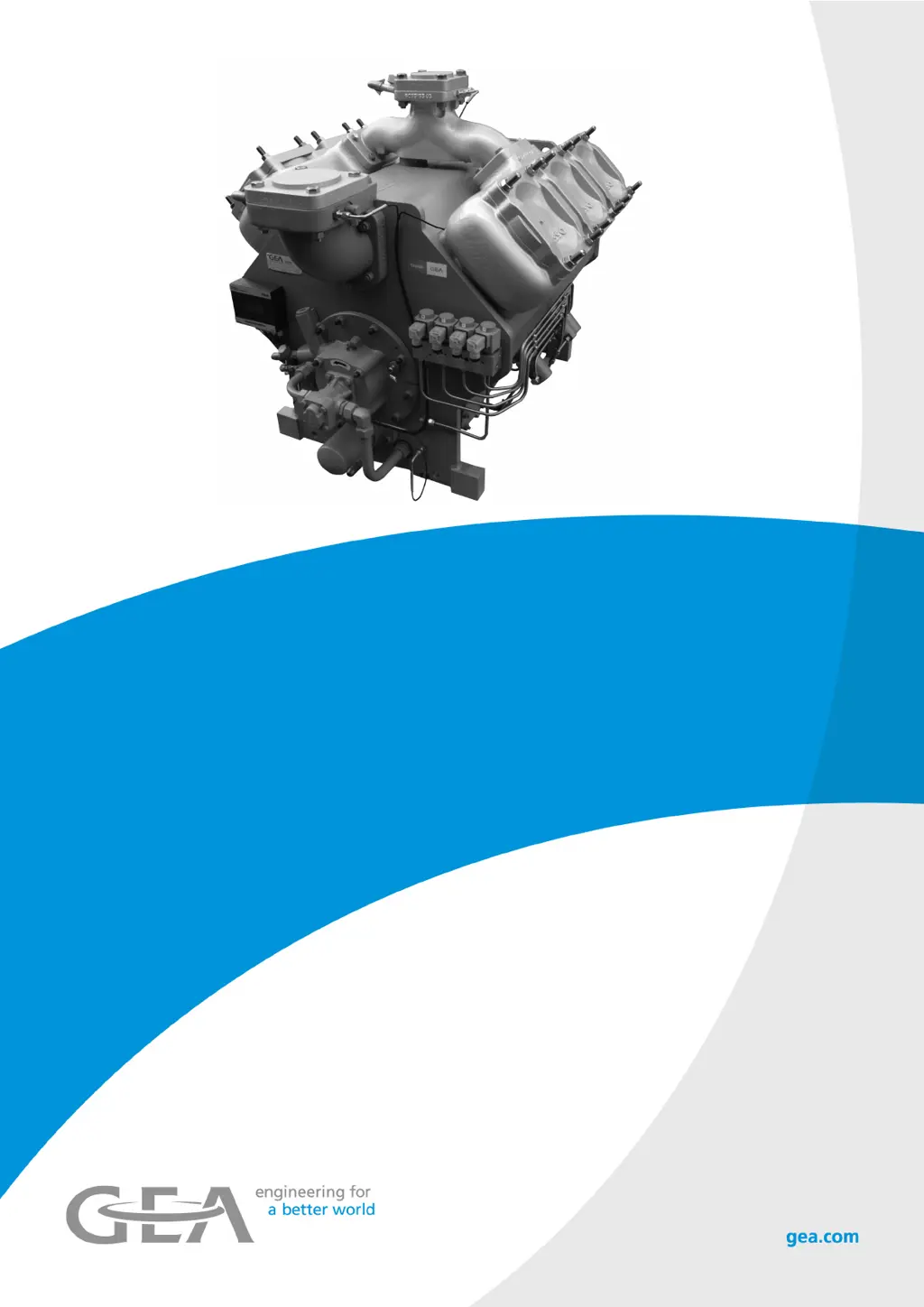
GEA Grasso V 600 - User Manual

GEA Grasso V 600
62 pages
Print Icon
To Next Page IconTo Next Page
Loading...
Reciprocating Compressors for industrial
refrigeration
GEA Grasso V
Installation and Maintenance instructions
0089288gbr_11

Table of Contents

Questions and Answers

  • C
    Cynthia JonesAug 14, 2025
    How to fix high discharge pressure on GEA Grasso V 600?
    • J
      Jason ReedSep 12, 2025
      To address high discharge pressure in your GEA Compressor, first, ensure the discharge stop valve is fully open. If the issue persists, the discharge pressure gauge might be defective and require repair or replacement. Another potential cause is non-condensables in the system, which can be resolved by purging with an automatic purger.
  • L
    Lauren ProctorAug 17, 2025
    Why is the discharge temperature too high on my GEA Compressor?
    • V
      Victoria HintonAug 18, 2025
      Several factors can cause a GEA Compressor's discharge temperature to rise excessively. High discharge pressure, too few cylinders in operation, low suction pressure, or excessive superheat of suction gas can all contribute. For two-stage compressors, improper interstage cooling could be the cause. Additionally, high room temperature, a defective discharge valve, or a leaking pressure relief valve might be responsible. You may need to cut in more cylinders, eliminate excessive superheat, better ventilate the engine room, repair or renew the discharge valve, or repair or renew the pressure relief valve. If the discharge pressure or suction pressure are too high or low, consult the manual.
  • K
    kellymartinAug 21, 2025
    What to do if suction pressure is too low on GEA Grasso V 600 Compressor?
    • D
      Daniel PhillipsAug 21, 2025
      If the suction pressure of your GEA Compressor is too low, start by ensuring the suction stop valve is fully open. A blocked suction gas strainer can also cause this issue, so renew it. Check and readjust the injection control if it's not correctly adjusted. Additionally, insufficient refrigerant in the installation or a defective suction pressure gauge could be the cause; top-up with refrigerant or renew the gauge as needed.
  • T
    Timothy BurkeAug 25, 2025
    What causes high suction pressure in GEA Compressor?
    • S
      Stephanie WatsonAug 25, 2025
      High suction pressure in a GEA Compressor can stem from several causes. The capacity control might not be operating correctly and needs repair. The compressor capacity could be too small, in which case you should refer to the plant design. Other potential causes include a defective suction or discharge pressure gauge, defective suction or discharge valves, or a leaking pressure relief valve. Repair or renew the relevant components as necessary.
  • F
    fordoscarAug 27, 2025
    Why is the lubricating oil pressure too low in my GEA Compressor?
    • M
      Martin BerryAug 27, 2025
      Several issues can lead to low lubricating oil pressure in your GEA Compressor. First, ensure there is enough oil in the crankcase by topping it up. A disturbed oil circuit due to a dirty oil suction and/or discharge filter can also be the cause; renew the filter elements. Other potential causes include a lubricating oil pressure regulator that is not adjusted properly or is defective, liquid refrigerant in the crankcase, a defective oil pressure and/or suction pressure gauge, or worn bearings. Re-adjust or renew the regulator, repair or renew the gauge, or renew the bearings as needed. For liquid refrigerant in the crankcase, consult the manual.
  • M
    Meredith TuckerAug 31, 2025
    How to reduce oil consumption in GEA Grasso V 600 Compressor?
    • R
      rriosAug 31, 2025
      Excessive oil consumption in a GEA Compressor can be attributed to several factors. Ensure the oil type matches the oil lubrication table; if it's too thin, change it. Infrequent loading of the compressor, a lack of return from the oil separator, a clogged restriction plug in the cylinder's suction chamber, worn oil scraper rings, oil leakage, a leaking shaft seal, or an excessively high oil level in the crankcase can also contribute. Clean the plug, replace the rings, repair any leaks, repair the shaft seal, or drain/refill with oil as needed. For compressor operation or initial oil charge, consult the design calculations or relevant section.
  • H
    hstewartSep 3, 2025
    Why is the crankcase frosted on my GEA Grasso V 600?
    • R
      Richard ThompsonSep 3, 2025
      A frosted or wet crankcase in a GEA Compressor can be caused by liquid refrigerant entering the crankcase, low room temperature, oil return from the separator containing liquid refrigerant, or the installation operating too wet. If liquid refrigerant is present, stop the compressor and contact an installation engineer. If the room temperature is too low, provide crankcase heating or check its operation. Re-adjust the installation and provide for superheat. For oil return or liquid separator issues, consult the plant manual.
  • D
    dwilliamsSep 6, 2025
    What causes high oil pressure in GEA Compressor during normal operation?
    • J
      jasonsweeneySep 6, 2025
      If the oil pressure is too high during normal operation of your GEA Compressor, the lubricating oil pressure regulator may not be adjusted properly or could be defective. Additionally, a defective oil pressure and/or suction pressure gauge could be the cause. Try re-adjusting or renewing the regulator, or repair or replace the defective gauge.
  • A
    Alexandra SmithSep 9, 2025
    What causes low control oil pressure in GEA Grasso V 600?
    • E
      Eric MichaelSep 10, 2025
      If there's too little or no control oil pressure in your GEA Compressor, the control oil pressure regulator in the oil pump might have failed. Also, there might be a lack of oil in the oil system, or the oil pump itself could be defective. Try re-adjusting or renewing the regulator, adding oil to the system, or repairing or renewing the oil pump.

Summary

Safety Symbols and Instructions

Safety Symbol Definitions

Explains the meaning of Danger, Warning, Caution, and Notice symbols.

Safety Guidelines and Warnings

Provides essential safety instructions and construction change warnings.

General Information and Setup Data

Main Setup Data Overview

Details key operational parameters, limits, and setup data.

Installation and Preparation Procedures

Initial Installation Steps Overview

Outlines the primary steps for compressor package installation.

Installation Requirements: Space and Foundation

Foundation Requirements

Details the necessary foundation arrangements for mounting.

Preparations for Use: System Testing

Leak Test of Compressor and System

Procedure for performing a system leak test with dry nitrogen.

Initial Oil Charge and Quantities

Initial Oil Charge Procedure

Details on charging oil into the compressor and separator.

Refrigerant Charging and Adjustments

Oil Pressure Regulator Re-adjustment

Initial Start-up Procedures

Pre-Start Checks and First Start

Pre-Start Checklist

Comprehensive checklist before compressor start-up.

First Start Procedure

Step-by-step guide for the initial start of the compressor.

Restarting Procedures

Restart After Short;Long Standstill

Specific procedures for restarting after different standstill durations.

Inspection and Trouble Shooting

Inspection Checklist and Long Shut-down Steps

Periodical Inspection Checklist

Detailed checklist for periodical inspections of compressor components.

Lubrication Data and System Evacuation

Servicing Procedures: Evacuation and Start-up

Oil Draining, Change, and Filter Replacement

Troubleshooting Guide

Troubleshooting Table Overview

Introduction to the troubleshooting table for tracing and remedying failures.

Troubleshooting Specific Faults

Discharge Pressure and Temperature Issues

Addresses high discharge pressure and temperature faults.

Suction Pressure and Crankcase Issues

Addresses low suction pressure, frosted crankcase, and oil pressure faults.

Troubleshooting Specific Faults (Continued)

Oil Consumption and Pressure Issues

Addresses high oil consumption and incorrect oil pressures.

Maintenance Procedures

Maintenance with Grasso Maintenance Monitor (GMM)

Compressor Maintenance Details (GMM)

Compressor Maintenance Checks (GMM)

Lists checks for compressor components under GMM.

Maintenance Schedules (Without GMM)

General Limits of Operation

General Limits for Grasso V

Specifies operational limits for Grasso V compressors by refrigerant.

Starting Up Two-Stage Compressors

Two-Stage Compressor Start-up Procedure

Procedure for starting two-stage compressors from standstill.

Two-Stage Operation and Capacity Increase

Lubricating Oils (Choice and Recommendations)

Recommended Oil Types

Lists strongly recommended oil types for Grasso compressors.

Accepted NH3 Oil Types

List of Accepted NH3 Oils

Table of accepted oil types for NH3 refrigerant.

Pre-lubrication Oil System

Why Pre-lubrication is Necessary

Explains the importance of pre-lubrication for compressor longevity.

Pre-lubrication Procedure

Step-by-step guide on how to perform pre-lubrication.

GEA Grasso V 600 Specifications

General IconGeneral
BrandGEA
ModelGrasso V 600
CategoryCompressor
LanguageEnglish

Related product manuals