EasyManua.ls Logo

GEA Grasso V 1100T - User Manual

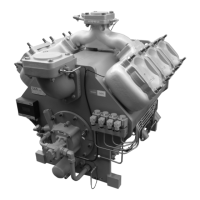
GEA Grasso V 1100T
62 pages
Print Icon
To Next Page IconTo Next Page
Loading...
Reciprocating Compressors for industrial
refrigeration
GEA Grasso V
Installation and Maintenance instructions
0089288gbr_11

Table of Contents

Questions and Answers

  • J
    Jose FloresAug 14, 2025
    How to fix high discharge pressure on GEA Compressor?
    • J
      Jason HensleyAug 14, 2025
      To address high discharge pressure in your GEA Compressor, first, ensure the discharge stop valve is fully open. If the issue persists, the discharge pressure gauge might be defective and require repair or replacement. Another potential cause is non-condensables in the system, which can be resolved by purging with an automatic purger.
  • K
    Kelsey SmithAug 18, 2025
    Why is the discharge temperature too high on my GEA Compressor?
    • K
      Kimberly HallAug 18, 2025
      Several factors can cause a GEA Compressor's discharge temperature to rise excessively. High discharge pressure, too few cylinders in operation, low suction pressure, or excessive superheat of suction gas can all contribute. For two-stage compressors, improper interstage cooling could be the cause. Additionally, high room temperature, a defective discharge valve, or a leaking pressure relief valve might be responsible. You may need to cut in more cylinders, eliminate excessive superheat, better ventilate the engine room, repair or renew the discharge valve, or repair or renew the pressure relief valve. If the discharge pressure or suction pressure are too high or low, consult the manual.
  • P
    pennyparksAug 21, 2025
    What to do if suction pressure is too low on GEA Compressor?
    • M
      Malik SmithAug 21, 2025
      If the suction pressure of your GEA Compressor is too low, start by ensuring the suction stop valve is fully open. A blocked suction gas strainer can also cause this issue, so renew it. Check and readjust the injection control if it's not correctly adjusted. Additionally, insufficient refrigerant in the installation or a defective suction pressure gauge could be the cause; top-up with refrigerant or renew the gauge as needed.
  • C
    Christopher TurnerAug 25, 2025
    What causes high suction pressure in GEA Grasso V 1100T Compressor?
    • H
      Heather NixonAug 25, 2025
      High suction pressure in a GEA Compressor can stem from several causes. The capacity control might not be operating correctly and needs repair. The compressor capacity could be too small, in which case you should refer to the plant design. Other potential causes include a defective suction or discharge pressure gauge, defective suction or discharge valves, or a leaking pressure relief valve. Repair or renew the relevant components as necessary.
  • L
    Lauren WilliamsAug 27, 2025
    Why is the lubricating oil pressure too low in my GEA Grasso V 1100T Compressor?
    • M
      Michael TurnerAug 27, 2025
      Several issues can lead to low lubricating oil pressure in your GEA Compressor. First, ensure there is enough oil in the crankcase by topping it up. A disturbed oil circuit due to a dirty oil suction and/or discharge filter can also be the cause; renew the filter elements. Other potential causes include a lubricating oil pressure regulator that is not adjusted properly or is defective, liquid refrigerant in the crankcase, a defective oil pressure and/or suction pressure gauge, or worn bearings. Re-adjust or renew the regulator, repair or renew the gauge, or renew the bearings as needed. For liquid refrigerant in the crankcase, consult the manual.
  • K
    Katherine RobinsonAug 31, 2025
    How to reduce oil consumption in GEA Compressor?
    • V
      vmartinezAug 31, 2025
      Excessive oil consumption in a GEA Compressor can be attributed to several factors. Ensure the oil type matches the oil lubrication table; if it's too thin, change it. Infrequent loading of the compressor, a lack of return from the oil separator, a clogged restriction plug in the cylinder's suction chamber, worn oil scraper rings, oil leakage, a leaking shaft seal, or an excessively high oil level in the crankcase can also contribute. Clean the plug, replace the rings, repair any leaks, repair the shaft seal, or drain/refill with oil as needed. For compressor operation or initial oil charge, consult the design calculations or relevant section.
  • T
    Terrence EllisSep 3, 2025
    Why is the crankcase frosted on my GEA Grasso V 1100T Compressor?
    • B
      burnettpriscillaSep 3, 2025
      A frosted or wet crankcase in a GEA Compressor can be caused by liquid refrigerant entering the crankcase, low room temperature, oil return from the separator containing liquid refrigerant, or the installation operating too wet. If liquid refrigerant is present, stop the compressor and contact an installation engineer. If the room temperature is too low, provide crankcase heating or check its operation. Re-adjust the installation and provide for superheat. For oil return or liquid separator issues, consult the plant manual.
  • B
    Benjamin HicksSep 6, 2025
    What causes high oil pressure in GEA Compressor during normal operation?
    • I
      idavisSep 6, 2025
      If the oil pressure is too high during normal operation of your GEA Compressor, the lubricating oil pressure regulator may not be adjusted properly or could be defective. Additionally, a defective oil pressure and/or suction pressure gauge could be the cause. Try re-adjusting or renewing the regulator, or repair or replace the defective gauge.
  • M
    Michael HansonSep 10, 2025
    What causes low control oil pressure in GEA Grasso V 1100T?
    • T
      tbutlerSep 12, 2025
      If there's too little or no control oil pressure in your GEA Compressor, the control oil pressure regulator in the oil pump might have failed. Also, there might be a lack of oil in the oil system, or the oil pump itself could be defective. Try re-adjusting or renewing the regulator, adding oil to the system, or repairing or renewing the oil pump.

Summary

SAFETY INSTRUCTIONS

Construction changes

Warning against making changes to pressurized parts of the construction.

INSTALLATION AND PREPARATION FOR USE

INSTALLATION

Instructions for proper installation of a Grasso compressor package.

Foundation requirements

Requirements for mounting the compressor package on a concrete block.

PREPARATIONS FOR USE

Leak test of compressor and system

Procedure for performing a leak test on the compressor and system.

EVACUATION;DRYING THE REFRIGERATING SYSTEM

Steps to evacuate and dry the refrigeration system.

Initial oil charge

Procedures and warnings for filling the compressor with oil.

Initial refrigerant charge

Guideline for charging refrigerant by qualified engineers.

RE-ADJUSTMENT OF OIL PRESSURE REGULATORS

Procedures for adjusting lubrication and control oil pressure regulators.

Initial start-up

Covers limitations of part load operation and start-up procedures.

Pre-start check list

A checklist to ensure all items are ready for compressor start-up.

Starting and stopping procedures

General guidance for starting and stopping the compressor.

First start

Detailed steps for the initial startup of the compressor.

INSPECTION AND TROUBLE SHOOTING

Periodical inspection

Importance and timing of inspections during normal shutdown periods.

Check list periodical inspection

A checklist for periodical inspections of various compressor parameters.

EVACUATION OF REFRIGERANT BEFORE SERVICING

Steps to evacuate refrigerant before servicing the compressor.

START-UP AFTER SERVICING

Steps for starting up the compressor after maintenance.

TROUBLESHOOTING TABLE GRASSO RECIPROCATING COMPRESSORS

MAINTENANCE

GEA Grasso V 1100T Specifications

General IconGeneral
TypeScrew Compressor
ApplicationIndustrial refrigeration
RefrigerantAmmonia (NH3)
Voltage400 V
Frequency50 Hz
Speed2950 rpm
Sound Pressure Level85 dB(A)

Related product manuals