
EasyManua.ls Logo

Greyhound 97079 - User Manual

Greyhound 97079
23 pages
Print Icon
To Next Page IconTo Next Page
Loading...
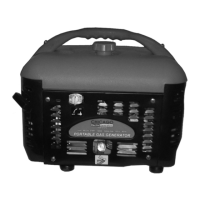
PORTABLE GAS GENERATOR
1400/1600 WATT
Model
97079
SET UP, OPERATING, AND SERVICING
INSTRUCTIONS
DANGER
Using an engine indoors CAN KILL YOU IN
MINUTES.
Engine exhaust contains carbon monoxide.
This is a poison you cannot see or smell.
NEVER use inside
a home or garage,
EVEN IF doors and
windows are open.
Only use OUTSIDE
and far away from
windows, doors, and
vents.
Diagrams within this manual may not be drawn proportionally.
Due to continuing improvements, actual product may differ slightly from the product described herein.
Distributed exclusively by Harbor Freight Tools
®
.
3491 Mission Oaks Blvd., Camarillo, CA 93011
Visit our website at: http://www.harborfreight.com
Read this material before using this product.
Failure to do so can result in serious injury.
SAVE THIS MANUAL.
Copyright
©
2008 by Harbor Freight Tools
®
. All rights reserved. No portion of this
manual or any artwork contained herein may be reproduced in any shape or form
without the express written consent of Harbor Freight Tools.
For technical questions or replacement parts, please call 1-800-444-3353.

Questions and Answers

Summary

Important Safety Information

Safety Alert Symbol

Symbol used to alert to potential personal injury hazards.

DANGER Hazard

Indicates a hazardous situation resulting in death or serious injury.

WARNING Hazard

Indicates a hazardous situation potentially resulting in death or serious injury.

CAUTION Hazard

Indicates a hazardous situation resulting in minor or moderate injury.

Set Up Precautions

Fuel Handling and Storage

Gasoline is flammable; store and handle properly, keep away from ignition sources.

Fire Safety Equipment

Have multiple ABC class fire extinguishers nearby.

Spark Arrestor Requirement

Install a spark arrestor if legally required or used near flammable materials.

Setup Environment

Set up and use on a flat, level, well-ventilated surface.

Personal Protective Equipment (PPE)

Wear safety goggles, gloves, and dust mask during setup.

Fluid Recommendations

Use only recommended oil and fuel specified in the manual.

Operating Precautions

Carbon Monoxide Danger

Engine exhaust contains deadly carbon monoxide; never use indoors.

Outdoor Operation Mandate

Use generator only OUTSIDE and far away from windows, doors, and vents.

Operator and Supervision Safety

Ensure supervision, avoid unattended operation, use PPE, and consider pacemaker safety.

Safe Usage Practices

Follow practices for accessories, environments, alertness, balance, dress, hot parts, and cleanliness.

System and Application Integrity

Ensure fuel system integrity, heed warnings, clean spills, inspect, and use for intended application.

Service Precautions

Pre-Service Safety Steps

Turn off engine, let cool, remove spark plug wire before any service.

Safety Guard Integrity

Keep all safety guards in place and in proper working order.

Unauthorized Modifications

Do not alter sealed parts; only qualified technicians may adjust engine speed.

Service PPE

Wear safety goggles, gloves, and dust mask during service.

Label Maintenance

Keep labels and nameplates on equipment; contact for replacements if missing.

Qualified Servicing Requirement

Have equipment serviced by a qualified person using identical replacement parts.

Refueling Precautions

Ignition Prohibition

Do not smoke or allow sparks/flames near equipment during refueling.

Hot Engine Refueling Restriction

Do not refill fuel tank while the engine is running or hot.

Fuel Tank Filling Limit

Do not fill fuel tank to the top; leave room for expansion.

Refueling Ventilation

Refuel only in a well-ventilated area.

Generator Precautions

Electrical Connection Safety

Do not connect generator directly to home utility lines; use licensed electricians.

Grounding and Insulation

Ensure generator is properly grounded and all connections are insulated.

Load and Operation Safety

Connect compatible loads, avoid wet conditions, do not touch energized parts, prevent overload.

Outdoor Setup and Protection

Set up outdoors in a dry, well-ventilated area, away from intakes, protected from elements.

Electrical Maintenance

Keep electrical equipment clean and dry; replace damaged wiring or terminals.

Basic Specifications

Fuel and Oil Specifications

Details fuel type, capacity, and engine oil type and capacity.

Performance Specifications

Includes run time, emission control warranty, and high altitude adjustment notes.

Unpacking and Initial Checks

Initial Inspection and Support

Check for intactness and damage; contact for missing or broken parts.

Set Up Instructions

Manual Review Requirement

Read the entire Important Safety Information section before setup or use.

Handle Assembly Procedure

Attach the handle to the fuel tank using bolts and nuts.

Generator Grounding Procedure

Properly ground the generator at its Earth Terminal Set before each use.

Spark Arrestor Installation

Install an approved spark arrestor if legally required or used near flammable materials.

Operating Instructions

Safety Information Review

Read the entire Important Safety Information section before setup or use.

Engine Control Usage

Overview of fuel lever and choke switch for engine operation.

Engine Oil Level Check

Pre-Start Oil Inspection

Check engine oil level before each use; low oil voids warranty and damages engine.

Oil Level Verification

Remove dipstick, wipe, reinsert, and check oil level against marks.

Starting the Engine

Pre-Start Equipment Inspection

Inspect engine for damage, loose, or missing parts before starting.

Break-In Period Oil Type

Specifies oil types (SAE 30W, SAE 5W-30) for different temperatures.

Oil Level Warning

Do not run with too little or too much oil; it will permanently damage the engine.

Fuel Level Check Procedure

Warning against adding fuel to a hot engine; do not smoke.

Engine Start Sequence

Detailed steps for starting including choke, fuel lever, ignition, and pulling handle.

Engine Warm-up Protocol

Allow engine to run at no load for five minutes after start-up to stabilize.

Break-In Period Guidelines

Guidelines for the initial 3 hours of operation to ensure extended engine life.

Equipment Operation

Connecting Electrical Loads

Connect 120 VAC and 12 VDC tools to appropriate outlets; disconnect when finished.

Circuit Breaker Functionality

Understand operation of circuit breakers for overload protection and reset.

Post-Operation Procedures

Turn off engine, remove spark plug cap, clean, and store equipment safely.

Technical Specifications

Engine and Generator Specs

Details engine type, displacement, family, and generator output ratings.

Fuel, Oil, and Electrical Specs

Lists fuel type, capacity, engine oil, receptacles, and overload protection.

Servicing

Pre-Service Safety Precautions

Turn off ignition, wait for engine to cool, remove spark plug cap before servicing.

Damaged Equipment Handling

Do not use damaged equipment; address abnormal noise or smoking.

Maintenance Procedure Guidance

Many procedures require a qualified technician; consult if unsure.

Engine Oil Maintenance

Oil Hot Caution and Drainage

Wait for engine to cool before changing oil; place drain pan to collect oil.

Oil Refill Procedure

Refill oil to proper level following starting instructions.

Air Filter Maintenance

Air Filter Cleaning and Drying

Wash filter element in warm water, dry, then soak in lightweight oil.

Air Filter Installation

Install clean filter element and secure air cleaner cover.

Spark Plug Maintenance

Spark Plug Inspection and Cleaning

Inspect electrode for oil, deposits, or cracks; clean or replace as needed.

Spark Plug Installation and Gap

Adjust gap to specification, install and tighten spark plug correctly.

Maintenance Schedule

General Maintenance Guidelines

Schedule is a guide; performance issues require immediate checks.

Scheduled Maintenance Intervals

Covers maintenance tasks at 20, 25, 50, 100, and 300 operating hour intervals.

Storage Procedures

Pre-Storage Cleaning and Prep

Clean engine with a cloth after cooling and prepare for storage.

Long-Term Storage Steps

Change oil, empty tank or add stabilizer, run engine, add oil to cylinder.

Rust Prevention and Storage Location

Apply rust preventive oil to metal parts and store in a dry, ventilated area.

Post-Storage Startup

Drain old fuel, change oil, and use fresh fuel for startup after storage.

Troubleshooting Engine Issues

Engine Will Not Start

Addresses fuel, ignition, and compression issues causing the engine not to start.

Engine Misfire Causes

Lists causes and solutions for engine misfiring.

Troubleshooting Engine Performance

Engine Stops Suddenly

Explains causes like low oil, fuel issues, or faulty magneto.

Engine Knocking Causes

Discusses causes of engine knocking such as low-quality fuel or overload.

Engine Backfire Causes

Covers reasons for engine backfiring, including fuel and temperature issues.

Limited Warranty Information

Warranty Coverage Terms

Specifies warranty periods for different parts and usage types.

Warranty Exclusions and Limitations

Lists conditions not covered, like misuse, abuse, lack of maintenance, or unauthorized repairs.

Warranty Service and Returns

Details how to return products for warranty service or refund.

Emission Control System Warranty

Compliance and Manufacturer Warranty

States engine meets emission standards and covers parts for two years.

Owners Maintenance Responsibility

Owner must perform required maintenance and retain receipts.

Warranty Claim Process and Support

Explains how to file claims, including shipping and contact information.

Detailed Warranty Exclusions

Lists specific exclusions like unauthorized parts, improper installation, or fuel recommendations.

Covered Emission Control Parts

Lists components covered under the emission control system warranty.

Greyhound 97079 Specifications

General IconGeneral
BrandGreyhound
Model97079
CategoryPortable Generator
LanguageEnglish