-20-
Model G9717 (Mfd. Since 3/00)
Wheel Inspection
Do not assume that a wheel is in sound condition
just because it is new—often damage can occur
in shipping, with age, or with exposure to mois-
ture. Inspect every wheel for damage.
First, do a Visual Inspection. Look for any cracks,
chips, nicks or dents in the surface of the wheel. If
you see any of these, DO NOT use the wheel.
Second, do a Ring Test, by following Steps 1-5
below. This test will give you an indication of any
internal damage that may not be obvious during a
visual inspection.
Always be sure to use a wheel that is rated for
3450 RPM or greater.
To perform a ring test:
1. Make sure the wheel that you test is clean and
dry; otherwise, you may get false results.
2. If size permits, balance the wheel with your
finger in the hole. If this is not possible, hang
the wheel in the air with a piece of cord or
string looped through the hole in the center.
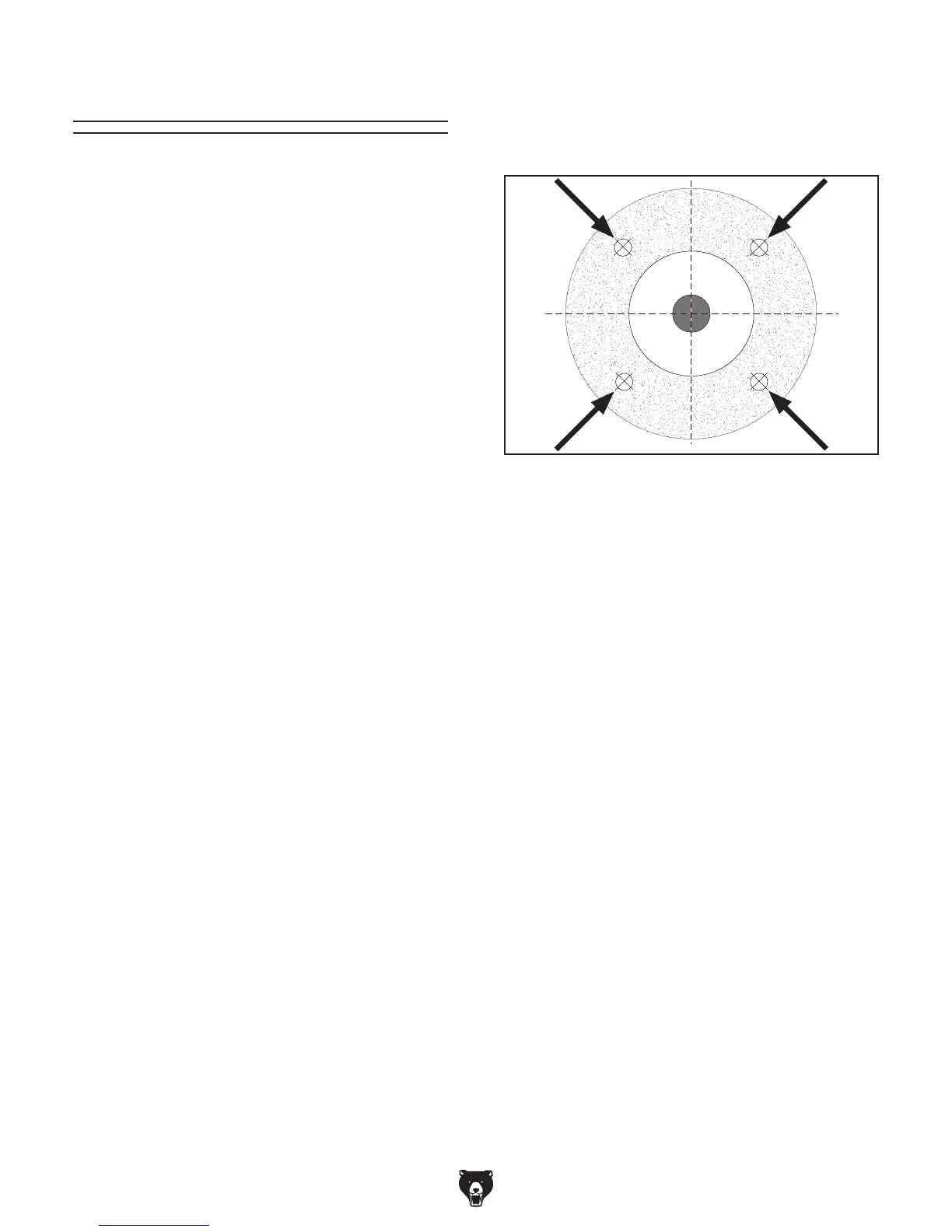
Figure 15. Tapping locations when performing a
ring test.
STOP
Rated 3500 RPM
Make sure your grinder is not
faster than the rated RPM of this wheel
WARNING
Grinding can be dangerous
Visually inspect this wheel
for cracks, nicks,chips
Type-1
Aluminum
Oxide
60 Grit
Grade L
Vitrified Bond
4. An undamaged wheel will emit a clear metal-
lic ring or “ping” sound in each of these spots.
A damaged wheel will respond with a dull
thud that has no clear tone.
—If you determine from the ring test that the
wheel is damaged, DO NOT use it!
3. At the spots shown in Figure 15, gently tap
the wheel with a light non-metallic device
such as the handle of a screwdriver or a
wooden mallet.


 To Next Page