EasyManua.ls Logo

HomeSeer HomeTroller Pi - User Manual

HomeSeer HomeTroller Pi
5 pages
Print Icon
To Next Page IconTo Next Page
Loading...
1.
2.
3.
4.
5.
6.
7.
1.
2.
3.
4.
5.
Quick Start Guide for All Hubs
Start here if you own a HomeTroller Pi, HomeTroller Plus or HomeTroller PRO smart home hub
Overview
The guide includes the basic steps necessary to get started with a HomeTroller hub
Installation & Registration
HomeTroller Pi
Unpack the HomeTroller Pi Hub and AC power supply. Connect an Ethernet cable to the unit and attach that to your router or network switch.
Connect the AC power supply to the unit and plug it in. The unit will power on by itself and HS4 Pi software will launch automatically. You will
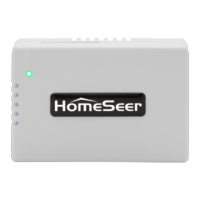
know HS4 is running by a green LED on the top of your unit.
You’ll need to access the web interface to register your controller and to set it up. Navigate to find.homeseer.com from another computer on your
network
Enter your HS4 License ID & Password, found on the bottom of your unit.
You will be prompted to change the system password. Keep this password saved as you may need it in the future.
Create your HS4 web user account. Follow the prompts and click FINISH at the end.
Proceed to below.Navigation Overview
HomeTroller Plus
Unpack the HomeTroller and AC power supply. Connect an Ethernet cable to the unit and attach that to your router or network switch.
Connect the AC power supply to the unit and plug it in. The unit will power on by itself and HS4PRO will launch automatically.
You’ll need to access the web interface to register your controller and to set it up. From another device on your net-work, open a browser and
navigate to find.homeseer.com. This will access our System Finder. Under Select System, click the link HomeTrollerPlusG1. Note: If you system
does not appear, please wait 5 minutes and refresh the page. If it still does not appear, please check the Alternate Ways to Access Your System n
ear the end of this guide.
Enter your HS4 License ID & Password, located on the bottom of your unit. Create your HS4 web user account. Follow the prompts and click FINI
SH at the end.
Note: if you’re upgrading from HS3, you will also be prompted for your HS3 software codes
If you purchased HS4 software separately to build your own hub, refer to insteadQuick Start Guide for HS4
Question and Answer IconNeed help?

Do you have a question about the HomeSeer HomeTroller Pi and is the answer not in the manual?

Summary

Overview and Introduction

Hub Installation and Registration

HomeTroller Pi Setup

Steps to unpack, connect, register, and configure the HomeTroller Pi hub.

HomeTroller Plus Setup

Steps to unpack, connect, register, and configure the HomeTroller Plus hub.

Home Troller PRO Setup

Steps to unpack, connect, register, and configure the HomeTroller PRO hub.

HS4 Navigation and Core Features

Navigation Overview

Explains the HS4 web application interface and main navigation bar functions.

Installing Plugins

Guide on how to install software programs to integrate smart devices.

Creating Devices

Explains devices as fundamental building blocks and their features in HS4.

Creating Events

Details how to create events for automating smart devices using triggers and actions.

Remote Access and Mobile Usage

MyHS Remote Access and Integrations

How MyHS enables remote access and cloud service integration for HS4.

Registering a New MyHS Account

Step-by-step guide to creating a new MyHS web user account.

Updating Existing MyHS Account

Instructions for updating an existing MyHS account for HS4 compatibility.

HomeSeer Mobile App

Information on the mobile app for controlling devices, events, and cameras.

Alternative System Access Methods

Alternate Ways to Access Your System

Provides alternative methods to access the system if System Finder fails.

Remote Desktop Protocol (RDP) Connection

Instructions for connecting via RDP to HomeTroller units from another PC.

Keyboard, Mouse & Monitor Access

Guide to connecting peripherals directly to the HomeTroller for system access.

Summary

Overview and Introduction

Hub Installation and Registration

HomeTroller Pi Setup

Steps to unpack, connect, register, and configure the HomeTroller Pi hub.

HomeTroller Plus Setup

Steps to unpack, connect, register, and configure the HomeTroller Plus hub.

Home Troller PRO Setup

Steps to unpack, connect, register, and configure the HomeTroller PRO hub.

HS4 Navigation and Core Features

Navigation Overview

Explains the HS4 web application interface and main navigation bar functions.

Installing Plugins

Guide on how to install software programs to integrate smart devices.

Creating Devices

Explains devices as fundamental building blocks and their features in HS4.

Creating Events

Details how to create events for automating smart devices using triggers and actions.

Remote Access and Mobile Usage

MyHS Remote Access and Integrations

How MyHS enables remote access and cloud service integration for HS4.

Registering a New MyHS Account

Step-by-step guide to creating a new MyHS web user account.

Updating Existing MyHS Account

Instructions for updating an existing MyHS account for HS4 compatibility.

HomeSeer Mobile App

Information on the mobile app for controlling devices, events, and cameras.

Alternative System Access Methods

Alternate Ways to Access Your System

Provides alternative methods to access the system if System Finder fails.

Remote Desktop Protocol (RDP) Connection

Instructions for connecting via RDP to HomeTroller units from another PC.

Keyboard, Mouse & Monitor Access

Guide to connecting peripherals directly to the HomeTroller for system access.

Overview

This document serves as a Quick Start Guide for HomeSeer smart home hubs, including the HomeTroller Pi, HomeTroller Plus, and HomeTroller PRO models. It outlines the basic steps for installation, registration, and initial setup of the HS4 software, which is the core operating system for these hubs.

Function Description:

The HomeSeer hubs are central controllers for smart home automation systems. They integrate with various smart devices and technologies through software programs called plugins, allowing users to manage and automate their homes. The HS4 software, which runs on these hubs, provides a mobile-friendly web application interface accessible from any browser-equipped device. This interface allows users to add, remove, and edit smart home devices, manage automation events, view camera feeds, configure system settings, and access tools like timers and logs. The system is designed to create a cohesive smart home experience, enabling devices to interact based on user-defined rules and schedules.

Important Technical Specifications (Inferred/General):

  • Connectivity: All models connect to a router or network switch via an Ethernet cable for network access.
  • Power: Each unit requires an AC power supply.
  • Software: Runs HomeSeer HS4 software, which launches automatically upon power-on.
  • User Interface: Web-based interface accessible via a browser on another computer or mobile device.
  • Identification: Each unit has an HS4 License ID & Password, typically found on the bottom of the unit, required for registration.
  • Remote Access: Integrates with MyHS service for remote access and compatibility with cloud services like Amazon Alexa, Google Home, and IFTTT. MyHS Basic is free, with premium paid plans available for additional features.
  • Operating System (HomeTroller Pi): Indicated by a green LED when HS4 Pi software is running.
  • Operating System (HomeTroller Plus/PRO): HS4PRO software launches automatically.
  • Direct Access (HomeTroller Plus/PRO): Supports Remote Desktop Protocol (RDP) connection (username: homeseer, password: hsthsths4) and direct connection via keyboard, monitor, and mouse for local access to the HS4 web interface.

Usage Features:

  • Easy Setup: Connect Ethernet and power, and the unit powers on and launches HS4 automatically.
  • Web Interface Access: Navigate to find.homeseer.com from another computer on the network to locate and access the hub's web interface for registration and setup.
  • Registration: Requires entering the HS4 License ID & Password. Users are prompted to change the system password and create an HS4 web user account.
  • Plugin Management: Users can install plugins from the Plugins/Add page in the HS4 web interface to integrate with various smart devices (e.g., Philips HUE). Plugins are enabled after installation.
  • Device Creation: When a smart product is added to the system, a corresponding device is created in the HS4 software. These devices display attributes as "Features," which can be controllable (e.g., on/off) or simply display values (e.g., temperature).
  • Event Creation: Events are automation rules composed of at least one Trigger and one Action, with optional Conditions. For example, turning on a living room lamp at sunset on Tuesdays.
  • MyHS Account Integration: Registering a new MyHS account or updating an existing HS3 account allows for remote access and cloud service integrations. The MyHS account uses the same email and password as the HS4 web user account.
  • HomeSeer Mobile App: Available for Android and iOS devices, allowing users to control smart devices, launch events, access cameras, and create custom dashboards from their mobile device. Connection to HS4 is made by logging into MyHS within the app.
  • Alternate Access Methods (HomeTroller Plus/PRO):
    • Remote Desktop Protocol (RDP): Connect from a Windows PC (or Mac with RDP client) to HomeTrollerPlusG1 or HomeTrollerPRO using specified credentials.
    • Direct Connection: Connect a keyboard, monitor, and mouse directly to the unit to access the HS4 web interface locally.

Maintenance Features:

  • Password Management: Users are prompted to change the default system password during initial setup and are advised to keep it saved.
  • Account Recovery: Information for recovering license ID and password can be found in the "Software Licensing Issues" section for existing MyHS accounts.
  • System Finder: The find.homeseer.com tool helps locate the HomeSeer system on the local network.
  • Log Management: The "Tools" section in the HS4 web interface provides access to manage logs, timers, and counters, which can be useful for troubleshooting and monitoring system performance.
  • Backup: The "Tools" section also includes options for backup, ensuring system configurations and data can be preserved.
  • Software Updates (Inferred): While not explicitly detailed as a maintenance feature, the nature of smart home hubs typically implies that software updates for HS4 and plugins would be available to ensure optimal performance, security, and compatibility with new devices. The guide mentions upgrading from HS3, indicating a clear path for software evolution.
  • Documentation Access: The guide frequently points to "Learn More" links for detailed information on devices, events, plugins, and MyHS, facilitating self-help and deeper understanding of the system.

HomeSeer HomeTroller Pi Specifications

General IconGeneral
BrandHomeSeer
ModelHomeTroller Pi
CategorySwitch
LanguageEnglish

Related product manuals