The provided document is a troubleshooting guide for an Optical Network Terminal (ONT), also known as a fibre box, which is a crucial component for connecting homes and businesses to a fibre broadband network. The guide is published by Tuatahi First Fibre, a New Zealand-based fibre network provider.
Function Description:
An ONT serves as the interface between the fibre optic network and your home or business network. Its primary function is to translate light signals from the fibre optic line, which comes from the External Termination Point (ETP) on your property, into electrical signals that your modem or router can understand. This enables your devices to access fibre broadband internet services. The ONT, along with the ETP and associated power cables, is owned by Tuatahi First Fibre and should remain at the property if you move.
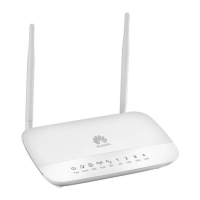
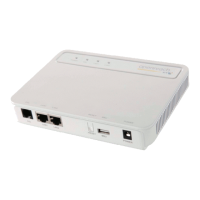
The guide covers four main types of ONT models: HG8240, HG8240H, HG8240H5, and HN8250Ts (Hyperfibre). While the specific models vary in appearance and some features, their core function remains the same: to facilitate the conversion of optical signals to electrical signals for internet and, in some cases, telephone services.
Usage Features:
The ONT typically features several indicator lights (LEDs) that provide visual feedback on its operational status. These include:
- Power Light: Indicates whether the ONT is receiving power. A steady green light means it's powered on. If off, it suggests a power issue.
- PON (Passive Optical Network) Light: Shows the connection status to the fibre network. A steady green light indicates a successful connection. If off, it suggests a problem with the fibre network connection. Blinking can indicate incorrect configuration.
- LOS (Loss of Service) Light: This light should ideally be off. If it's on or blinking, it indicates a loss of optical signal or a problem with the fibre connection, requiring contact with the Internet Service Provider (ISP).
- LAN Lights (LAN1, LAN2, LAN3, LAN4): These lights indicate the status of the Ethernet connections to your modem/router or other network devices. A solid or flashing green light means a cable is plugged in and data is being transmitted. If off when a cable is connected, it suggests a fault with the cable or the port.
- TEL Lights (TEL1, TEL2): These lights indicate the status of any home phone (Voice over IP) services. A solid green light means the service is active. Blinking can indicate registration attempts or an active call. If off, the landline number may not be provisioned.
For Hyperfibre plans (2GB or more), the HN8250Ts model includes a dedicated 10G LAN port, which requires a CAT6A or higher standard network cable for optimal performance over distances up to 100m.
The ONT typically has an On/Off switch to power the device and multiple ports for connectivity:
- Optical Port: This is where the fibre optic cable from the ETP connects. It's crucial not to touch or damage this cable due to its fragility.
- Power Port: For connecting the power adapter cable.
- LAN Ports: Ethernet ports (e.g., LAN1, LAN2, LAN3, LAN4) for connecting to your modem/router or other network devices. Your ISP will specify which LAN port to use for your modem.
- TEL Ports: Telephone ports (e.g., TEL1, TEL2) for connecting a home phone if you have a voice service through your fibre connection. Some ISPs may instruct you to plug your phone into your router instead.
- 10G LAN Port: (Specific to HN8250Ts Hyperfibre ONT) A high-speed Ethernet port for Hyperfibre connections.
Maintenance Features:
The guide emphasizes several key maintenance and troubleshooting steps:
- Power Check: Ensure the ONT's On/Off switch is pushed in, the power cable is properly connected, and the house has power. If the ONT lights are off, this is the first step.
- Cable Integrity: Verify that all cables (power, optical, Ethernet) are securely plugged in and undamaged. The optical cable is particularly fragile and should not be touched or tampered with.
- Power Cable Replacement: If the ONT's power cable is missing or damaged, Tuatahi First Fibre offers free replacements, which can be requested online or by phone. It's explicitly warned not to plug any other power cable into the ONT, as this can cause damage.
- Reset Button: All ONT models include a reset button.
- A short press (less than 10 seconds) will reset the device, which can resolve minor issues.
- A long press (longer than 10 seconds) will restore the device to its default factory settings. This should be used with caution as it might require reconfiguration by your ISP.
- ISP Contact: For persistent issues, especially those indicated by the PON or LOS lights, or if the ONT lights appear normal but there's no internet connection, users are advised to contact their Internet Service Provider. The ISP can troubleshoot modem/router issues or determine if a fibre technician visit is required.
- Property Ownership: The ONT, ETP, and power cables are the property of Tuatahi First Fibre. If you move, these components must be left at the property for the next resident. Attempting to open the ONT or remove its mounting bracket can damage the fibre cable and is strongly discouraged.
- Internal Termination Point (ITP): In some cases, an ITP (Internal Termination Point) may be present, either integrated with the ONT or as a separate unit. If an ITP is present but no ONT or cables are connected, a fibre technician visit might be necessary.
The guide also includes visual diagrams of the various ONT models and their ports, along with detailed explanations of what each indicator light signifies in different states (off, steady, blinking) for effective self-troubleshooting.

 Need help?

 To Next Page
 General