EasyManua.ls Logo

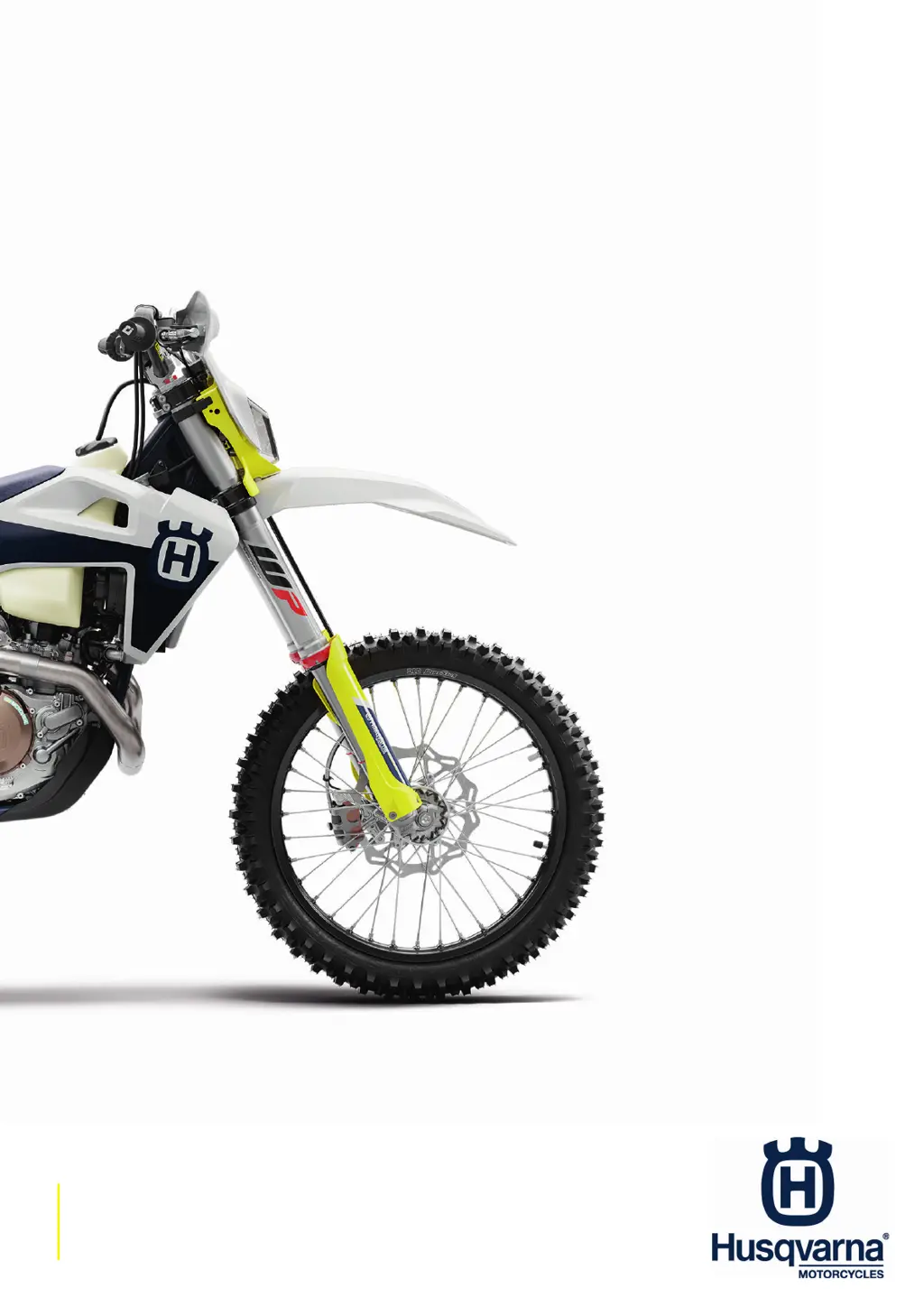
Husqvarna FE 450 2021 - User Manual

Husqvarna FE 450 2021
169 pages
Print Icon
To Next Page IconTo Next Page
Loading...
OWNER'S MANUAL 2021
FE 450
FE 501
Art. no. 3402453en

Table of Contents

Questions and Answers

  • J
    John RamseyAug 18, 2025
    What causes high oil consumption in a Husqvarna FE 450 2021?
    • J
      jenkinskathrynAug 18, 2025
      High oil consumption in your Husqvarna Motorcycle can stem from several causes. A bent engine vent hose can be the culprit, so ensure the vent hose is routed without bends, or replace it if necessary. An engine oil level that's too high can also contribute, so check the engine oil level. If the engine oil is too thin (low viscosity), change the engine oil and the oil filter, and clean the oil screens. Lastly, worn piston and cylinder can lead to high oil consumption, so measure the piston/cylinder mounting clearance.
  • T
    Tiffany CannonAug 20, 2025
    Why is my Husqvarna FE 450 2021 Motorcycle engine not starting but turning over?
    • Z
      zachary66Aug 20, 2025
      If your Husqvarna Motorcycle engine turns but doesn't start, several issues could be the cause. It might be an operating error, so try the start procedure again. Check if the quick release coupling is joined. A blown fuse (Fuse 1 or Fuse 4) could also be the problem, so replace the fuses. Other potential causes include an incorrectly set idle speed (adjust it), a spark plug that's oily or wet (clean, dry, or replace it), a spark plug gap that's too wide (adjust to 1.0 mm), a defective ignition system (check it), a frayed short-circuit cable in the wiring harness or a faulty switch-off button or emergency OFF switch (check the wiring harness and electrical system), or an error in the electronic fuel injection (read the fault memory using the Husqvarna Motorcycles diagnostics tool).
  • B
    Brian JacksonAug 22, 2025
    What to do if my Husqvarna FE 450 2021 engine cannot be cranked?
    • G
      gabrielandersonAug 22, 2025
      If the engine of your Husqvarna Motorcycle cannot be cranked, it could be due to several reasons. First, ensure you are following the correct start procedure. If that's not the issue, check the 12-V battery; it might be discharged and need charging. Also, inspect the main fuse and replace it if it's blown. The starter relay or the starter motor itself could be defective, so check them as well.
  • W
    williamsantosAug 25, 2025
    Why does my Husqvarna FE 450 2021 engine overheat?
    • L
      lkingAug 26, 2025
      Your Husqvarna Motorcycle engine might overheat due to several reasons. Check if the coolant level is low or if there are any leaks in the cooling system. Ensure sufficient airflow and switch off the engine when stationary. Dirty radiator fins can also cause overheating, so clean them. Other potential causes include foam formation in the cooling system (drain and refill the coolant), a bent radiator hose (replace it), a defective thermostat (check it; guideline opening temperature: 70 °C (158 °F)), or a defect in the radiator fan system (check fuse 3 and the radiator fan).
  • C
    Charles KruegerAug 27, 2025
    What to do if my Husqvarna Motorcycle engine dies during the trip?
    • T
      taylorjohnAug 27, 2025
      If your Husqvarna Motorcycle engine dies during a trip, the first thing to check is the fuel level; you might be out of fuel, so refuel. Additionally, check fuses 1 and 4, and replace them if they are blown.
  • S
    Steven FreemanAug 30, 2025
    Why does my Husqvarna FE 450 2021 engine have too little power?
    • K
      Kristin AnthonyAug 30, 2025
      If your Husqvarna Motorcycle engine has too little power, several factors could be responsible. A heavily contaminated air filter could be the cause, so clean the air filter and air filter box. Additionally, a very dirty fuel filter or fuel screen could be restricting fuel flow, so replace the fuel filter and fuel screen. An error in the electronic fuel injection could also be the culprit; in this case, read out the fault memory using the Husqvarna Motorcycles diagnostics tool.
  • J
    Julian FullerSep 1, 2025
    Why is my Husqvarna FE 450 2021 Motorcycle 12-V battery discharged?
    • W
      walkerjessicaSep 2, 2025
      If your Husqvarna Motorcycle 12-V battery is discharged, it could be because the alternator isn't charging it properly; check the charging voltage and the stator winding of the alternator. Another possibility is an undesired power consumer draining the battery; check the open-circuit current.
  • P
    Peter JohnstonSep 4, 2025
    Why doesn't my Husqvarna FE 450 2021 engine speed up?
    • A
      Alexander SmithSep 4, 2025
      If your Husqvarna Motorcycle engine does not speed up, it could be due to an error in the electronic fuel injection; read out the fault memory using the Husqvarna Motorcycles diagnostics tool. Alternatively, the ignition system might be defective; check the secondary winding of the ignition coil, the spark plug connector, and the stator winding of the alternator.
  • A
    Alexis WhiteSep 6, 2025
    What does it mean when the malfunction indicator lamp lights up on my Husqvarna FE 450 2021?
    • P
      Peter SmithSep 6, 2025
      If the malfunction indicator lamp lights up or flashes on your Husqvarna Motorcycle, it indicates an error in the electronic fuel injection. Check the wiring for damage and the electrical plug-in connectors for corrosion and damage. You should also read out the fault memory using the Husqvarna Motorcycles diagnostics tool.
  • J
    Jeff BoydSep 9, 2025
    What to do if the high beam, low beam, tail light, position light, and license plate lamp are not working on my Husqvarna FE 450 2021 Motorcycle?
    • K
      Kevin SpencerSep 9, 2025
      If the high beam, low beam, tail light, position light, and license plate lamp are not working on your Husqvarna Motorcycle, it is likely due to a blown fuse 2. Replace the fuse.

Summary

Safety Advice

Use Definition - Intended Use

Defines the intended purpose and approved usage scenarios for the vehicle.

Degrees of Risk and Symbols

Explains hazard symbols and their associated risk levels for safe operation.

Protective Clothing

Recommends wearing appropriate protective clothing for safe riding.

Important Notes

Manufacturer Warranty, Implied Warranty

Details warranty conditions and the importance of authorized service.

Service

Highlights the importance of timely and correct service for longevity.

View of Vehicle

View of Vehicle, Front Left (Example)

Illustrates and labels key components visible from the front left side.

View of Vehicle, Rear Right (Example)

Illustrates and labels key components visible from the rear right side.

Serial Numbers

Vehicle Identification Number

Locates and explains the Vehicle Identification Number (VIN).

Engine Number

Identifies the location of the engine number on the vehicle.

Controls

Clutch Lever

Describes the hydraulic clutch lever and its automatic adjustment.

Throttle Grip

Details the throttle grip's location and function for controlling engine speed.

Combination Switch

Explains the function of the combination switch for engine mapping and TC.

Overview of Indicator Lamps (All EU models)

Illustrates and describes the meaning of various indicator lamps on the instrument panel.

Combination Instrument

Combination Instrument Overview

Provides a layout of the instrument cluster, its buttons, and display.

Setting the Combination Instrument

Guides on setting units, clock, and service display preferences.

Speed, Time, and DST Distance 1

Explains how to display and reset speed, time, and trip distance 1.

Preparing for Use

Advice on Preparing for First Use

Provides essential advice and safety precautions before the initial ride.

Running-in the Engine

Outlines guidelines for engine break-in to ensure optimal performance.

Preparing the Vehicle for Difficult Operating Conditions

Details preparations needed for riding in adverse conditions like sand or mud.

Riding Instructions

Checks and Maintenance Measures When Preparing for Use

Lists pre-ride checks for safe vehicle operation.

Shifting, Riding

Explains proper gear shifting techniques and riding practices.

Braking

Provides instructions and warnings regarding safe and effective braking.

Service Schedule

Required Work

Details mandatory service tasks based on operating hours.

Recommended Work

Lists recommended maintenance tasks at specific intervals.

Tuning the Chassis

Checking the Basic Chassis Setting with Riders Weight

Explains how to adjust chassis settings based on rider weight for optimal handling.

Adjusting the Compression Damping of the Fork

Guides on adjusting the fork's compression damping for desired ride characteristics.

Adjusting the Handlebar Position

Details how to adjust the handlebar position for rider comfort and control.

Service Work on the Chassis

Raising the Motorcycle with a Lift Stand

Provides instructions on safely lifting the motorcycle using a stand.

Cleaning the Dust Boots of the Fork Legs

Explains the procedure for cleaning fork leg dust boots to maintain seal integrity.

Removing the Fork Legs

Details the steps required to safely remove the motorcycle's fork legs.

Checking Steering Head Bearing Play

Describes how to check for and correct play in the steering head bearing.

Removing the Shock Absorber

Outlines the process for removing the rear shock absorber from the motorcycle.

Cleaning the Chain

Provides instructions for cleaning the motorcycle's drive chain.

Brake System

Adjusting the Basic Position of the Hand Brake Lever

Guides on adjusting the hand brake lever for personalized reach.

Checking the Front Brake Fluid Level

Explains how to check the front brake fluid level and potential issues.

Checking the Front Brake Linings

Details how to check the front brake linings for wear and damage.

Checking the Rear Brake Fluid Level

Describes how to check the rear brake fluid level and identify problems.

Wheels, Tires

Removing the Front Wheel

Step-by-step guide for removing the front wheel from the motorcycle.

Removing the Rear Wheel

Provides instructions for the safe removal of the rear wheel.

Checking the Tire Condition

Explains how to inspect tires for wear, damage, and tread depth.

Checking Spoke Tension

Details how to check and adjust spoke tension for wheel integrity.

Electrical System

Removing the 12-V Battery

Step-by-step guide for safely removing the 12-V battery.

Changing the Fuses of Individual Power Consumers

Explains how to replace fuses for various electrical components.

Checking the Headlight Setting

Describes how to check and adjust the motorcycle's headlight aim.

Cooling System

Checking the Antifreeze and Coolant Level

Details how to check coolant level and antifreeze protection.

Refilling with Coolant

Provides instructions for refilling the cooling system with the correct coolant.

Tuning the Engine

Checking the Throttle Cable Play

Explains how to check and adjust the play in the throttle cables.

Adjusting the Idle Speed

Guides on setting the engine's idle speed to the specified value.

Service Work on the Engine

Changing the Fuel Screen

Details the procedure for replacing the fuel filter screen.

Checking the Engine Oil Level

Explains how to check the engine oil level when cold and hot.

Changing the Engine Oil and Oil Filter, Cleaning the Oil Screens

Provides a comprehensive guide for engine oil and filter maintenance.

Cleaning, Care

Cleaning the Motorcycle

Provides instructions and precautions for cleaning the motorcycle.

Storage

Storage

Details the steps for preparing the motorcycle for long-term storage.

Technical Data

Engine

Lists key technical specifications for the motorcycle's engine.

Engine Tightening Torques

Provides torque specifications for various engine components.

Chassis

Details technical specifications related to the motorcycle's chassis.

Electrical System

Lists technical data for the motorcycle's electrical components.

Tires

Specifies tire sizes and types for front and rear wheels.

Fork

Provides technical specifications and adjustment data for the front fork.

Shock Absorber

Details technical specifications and adjustment data for the shock absorber.

Substances

Brake Fluid DOT 4; DOT 5.1

Specifies standards, guidelines, and recommended suppliers for brake fluid.

Engine Oil (SAE 10 W;50)

Details engine oil standards, guidelines, and recommended suppliers.

List of Symbols

Yellow and Orange Symbols

Explains warning symbols indicating error conditions requiring intervention.

Green and Blue Symbols

Explains informational symbols providing status updates.

Husqvarna FE 450 2021 Specifications

General IconGeneral
Displacement449.9 cc
Compression Ratio12.75:1
Transmission6-speed
StarterElectric starter
Front Suspension Diameter48 mm
Engine TypeSingle cylinder, 4-stroke
Bore x Stroke95 mm x 63.4 mm
PowerNot available
TorqueNot available
Final DriveChain
Front SuspensionWP XPLOR fork
Front BrakeDisc brake, Ø 260 mm
Rear BrakeDisc brake, Ø 220 mm
Fuel Tank Capacity8.5 liters
Fuel Capacity8.5 liters
Front Wheel Travel300 mm
Wet WeightNot available
ABSNot available

Related product manuals