User Information (Cont'd)
passive layer. Stainless steel pads can also be
used but the scrubbing motion must be in the same
direction of the manufacturer’s polishing marks.
2. Clean With the Polish Lines
Some stainless steels come with visible polishing
lines or “grain”. When visible lines are present, you
shouldALWAYS scrub in a motion that is parallel to
them. When the grain cannot be seen, play it safe
and use a soft cloth or plastic scouring pad.
3. Use Alkaline, Alkaline Chlorinated or
Non-chloride Containing Cleaners
While many traditional cleaners are loaded
with chlorides, the industry is providing an ever
increasing choice of non-chloride cleaners. If you
are not sure of your cleaner’s chloride content
contact your cleaner supplier. If they tell you that
your present cleaner contains chlorides, ask for
an alternative. Also, avoid cleaners containing
quaternary salts as they also can attack stainless
steel & cause pitting and rusting.
4. Treat your Water
Though this is not always practical, softening hard
water can do much to reduce deposits. There
are certain filters that can be installed to remove
distasteful and corrosive elements. Salts in a
properly maintained water softener are your friends.
If you are not sure of the proper water treatment, call
a treatment specialist.
5. Keep your Food Equipment Clean
Use alkaline, alkaline chlorinated or non-chlorinated
cleaners at recommended strength. Clean
frequently to avoid build-up of hard, stubborn stains.
If you boil water in your stainless steel equipment,
remember the single most likely cause of damage is
chlorides in the water. Heating cleaners that contain
chlorides has a similar effect.
6. RINSE, RINSE, RINSE
If chlorinated cleaners are used you must rinse,
rinse, rinse and wipe dry immediately. The sooner
you wipe off standing water, especially when sit
contains cleaning agents, the better. After wiping the
equipment down, allow it to air dry for the oxygen
helps maintain the stainless steel’s passivity film.
7. Never Use Hydrochloric Acid (Muriatic Acid) on
Stainless Steel
8. Regularly Restore/Passivate Stainless Steel
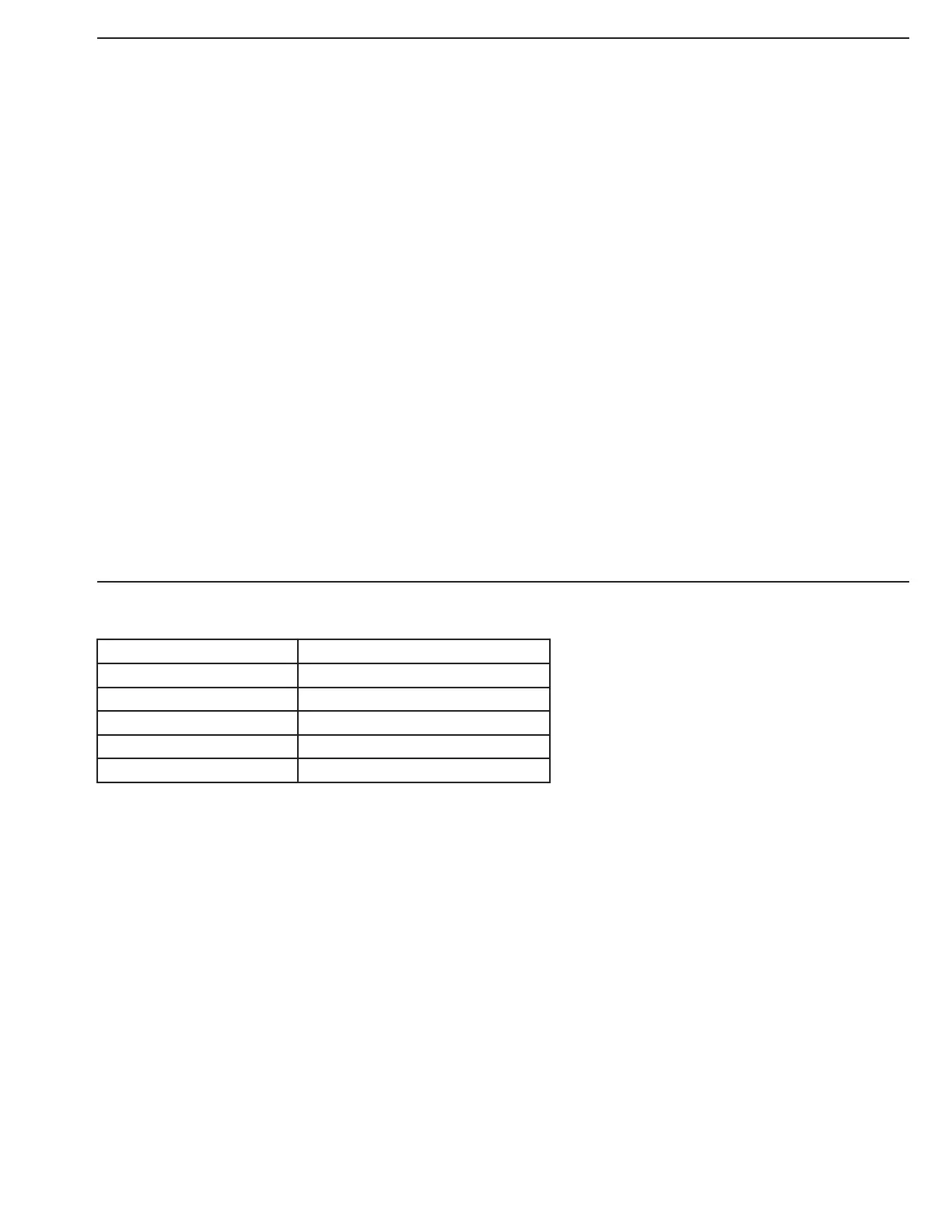
9. Shelf Weight Limits
18
Depth of Shelf Maximum Load Limit
10 in (254 mm) 250 lb (113.4 kg)
12 in (305 mm) 250 lb (113.4 kg)
14 in (356 mm) 250 lb (113.4 kg)
16 in (407 mm) 250 lb (113.4 kg)
18 in (457 mm) 250 lb (113.4 kg)
* Shelf load limits at 0° tilt
Hussmann
®
merchandiser shelves are designed to support the maximum weight load limits as indicated in the table
above. Exceeding these maximum weight load limits may cause damage to the shelf or shelves, damage to the mer-
chandiser, damage to store products, and potentially create a hazardous condition for customers and staff. Exceeding
the indicated maximum weight load limits constitutes misuse as described in the Hussmann
®
Limited Warranty.


 To Next Page