EasyManua.ls Logo

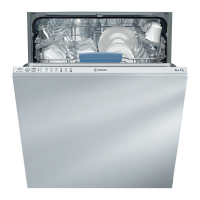
Indesit DIF 16B1 - User Manual

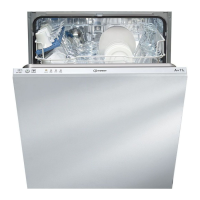
Indesit DIF 16B1
16 pages
Print Icon
To Next Page IconTo Next Page
Loading...
DIF 16B1
GB
English
Operating instructions
DISHWASHER - Contents
Operating instructions, 1
Precautions and advice, 2-3
Product Data, 4
Installation, 5-6
Electrical connection, 7
Description of the appliance, 8
Refined salt and rinse aid, 9
Loading the racks, 10-11
Detergent and dishwasher use, 12
Wash cycles, 13
Care and maintenance, 14
Troubleshooting, 15
Product Guarantee and Repair Information,16

Questions and Answers

  • A
    Allen KingSep 23, 2025
    Why is my Indesit DIF 16B1 Dishwasher making excessive noise?
    • A
      Aaron WagnerSep 23, 2025
      Excessive noise from your Indesit dishwasher could be due to dishes rattling against each other or the spray arms. Make sure to place the dishes properly and ensure the spray arms can rotate freely. Also, too much foam from using the wrong detergent or measuring it incorrectly can cause noise.
  • E
    Elizabeth LittleAug 25, 2025
    Why are my dishes not clean after using my Indesit DIF 16B1 Dishwasher?
    • S
      Stuart SmithAug 25, 2025
      If your dishes aren't clean after a wash in your Indesit Dishwasher, several factors could be the cause. Check that the racks aren't overloaded and that the dishes are arranged properly, allowing the sprayer arms to move freely. Ensure you're using an appropriate wash cycle and the correct amount/type of detergent. Also, verify that the rinse aid compartment lid is properly closed, the filter isn't dirty or blocked, and the refined salt level is adequate.
  • L
    Leslie KingAug 25, 2025
    Why Indesit DIF 16B1 Dishwasher beeps and flashes, not taking in water?
    • K
      kcarterAug 26, 2025
      If your Indesit Dishwasher is beeping, flashing lights, and not taking in water, it could be due to several reasons. Check that there is water in the mains supply and that the water inlet hose isn't bent. Ensure the tap is turned on; the appliance should start after a few minutes. If the appliance lock has activated due to inaction, switch off the machine, turn on the tap, and switch the machine back on after a few seconds. Then, reprogram the appliance and restart the wash cycle.
  • J
    Joshua MillerAug 27, 2025
    Why is my Indesit DIF 16B1 not drying dishes properly?
    • M
      Maureen CastroAug 27, 2025
      If your crockery isn't drying properly in your Indesit Dishwasher, it could be due to a wash cycle without a drying program being selected. Also, check if the rinse aid has been used up, the dosage is too low, or the dispenser setting isn't high enough. Note that crockery made from non-stick material or plastic may not dry well.
  • D
    Denise StephensAug 27, 2025
    Why my Indesit DIF 16B1 does not start?
    • J
      Jordan McclainAug 27, 2025
      If your Indesit Dishwasher won't start or cannot be controlled, here are a few things to check: * Ensure the water supply tap is turned on. * Try switching the appliance off and on again using the ON/OFF button. Wait a minute before restarting. * Make sure the dishwasher is properly plugged into a working electricity socket. * Check that the dishwasher door is fully closed.
  • J
    Jesse BestSep 13, 2025
    What to do if Indesit DIF 16B1 Dishwasher leaves white film on dishes?
    • F
      frazierdanielSep 14, 2025
      If your Indesit Dishwasher leaves a white film or limescale deposits on dishes and glasses, the level of refined salt might be low, or the dosage setting isn't suited to the water hardness. Also, check that the lid on the salt dispenser is closed properly and that the rinse aid hasn't been used up or the dosage is too low.
  • L
    Lauren MedinaSep 12, 2025
    How to reduce noise from my Indesit DIF 16B1 Dishwasher?
    • B
      bergleahSep 12, 2025
      Excessive noise from your Indesit Dishwasher can be caused by dishes rattling against each other or the sprayer arms. Alternatively, there might be excessive foam due to using too much detergent or using a detergent not suitable for dishwashers.
  • M
    Mario SantosSep 12, 2025
    Why Indesit Dishwasher leaves streaks on dishes?
    • W
      Walter HebertSep 12, 2025
      If your Indesit dishwasher is leaving streaks or a bluish tinge on your dishes and glasses, it's likely that the rinse aid dosage is too high.
  • D
    daniellebowmanSep 4, 2025
    Why Indesit Dishwasher dishes are not clean?
    • A
      alexanderlynnSep 4, 2025
      If your dishes aren't clean after a wash in your Indesit dishwasher, consider the following: * Check that the dishes are arranged properly. * Ensure the spray arms can rotate freely. * Verify that you've selected an appropriate wash cycle. * Make sure you're using the correct amount and type of detergent. * Confirm the lid on the rinse aid compartment is closed correctly. * Check and clean the filter if it's dirty or clogged. * Check the refined salt level. * Ensure the height of the dishes is compatible with the rack adjustment. * Check if the holes in the spray arms are clogged.
  • A
    Adam MorrisonSep 2, 2025
    What to do if my Indesit Dishwasher won't start?
    • G
      gwalkerSep 2, 2025
      If your Indesit Dishwasher won't start, here are a few things to check: * Ensure the water supply tap is turned on. * Try switching the appliance off and on again after a minute, then reset the wash cycle. * Make sure the dishwasher is properly plugged in or try another socket. * Confirm that the dishwasher door is fully closed.

Summary

Precautions and Safety Advice

General Safety Guidelines

Covers essential safety rules for operating the dishwasher, including child safety, general use, and appliance handling.

Appliance Disposal Instructions

Provides guidance on the environmentally responsible disposal of the dishwasher and packaging materials.

Energy and Environmental Savings

Water and Energy Saving Tips

Offers advice on optimizing water and energy consumption, including load management and cycle selection.

Installation Procedures

Water Supply and Outlet Connections

Details on connecting the water inlet and outlet hoses, including anti-flooding protection.

Electrical Connection and Safety

Instructions for safely connecting the appliance to the electrical supply.

Dishwasher Positioning and Levelling

Guidance on placing the dishwasher on a stable, level surface for optimal operation.

First Wash Cycle Preparations

Water Softener Settings

Instructions on setting the water hardness level for the water softener before the first wash.

Electrical Connection Details

Fuse Replacement and Plug Handling

Covers fuse replacement, fuse covers, removing the plug, and safe disposal of the plug.

Alternative Plug Wiring Guide

Provides instructions for connecting an alternative plug, including wire colour codes.

Appliance Overview and Controls

Overall Appliance Components

An illustrated overview of the dishwasher's main parts and their locations.

Control Panel Functions

Explanation of the buttons, indicator lights, and functions on the dishwasher's control panel.

Salt and Rinse Aid Management

Refined Salt Dispensing and Settings

Guidance on filling the salt dispenser and adjusting water hardness for optimal performance.

Rinse Aid Dispensing and Adjustment

Instructions for filling the rinse aid dispenser and adjusting the dosage for better drying.

Dishwasher Rack Loading

Loading Tips and Best Practices

General advice on arranging crockery, ensuring spray arm rotation, and handling plastic items.

Loading the Lower Rack

Guidance on arranging pans, lids, dishes, and cutlery in the lower rack.

Loading the Upper Rack

Instructions for placing delicate items like glasses and cups in the upper rack.

Using the Cutlery Basket

Details on arranging cutlery in the basket for effective cleaning.

Crockery Care and Washing Issues

Unsuitable Crockery Types

Lists types of crockery and materials that should not be washed in the dishwasher.

Preventing Glass and Crockery Damage

Tips to avoid damage to glassware and crockery during the wash cycle.

Detergent and Dishwasher Operation

Measuring Detergent Correctly

Guidance on the amount of detergent to use for effective washing and environmental protection.

Starting and Managing Wash Cycles

Instructions on starting the dishwasher, changing cycles, and adding extra crockery.

Wash Cycle Specifications

Overview of Available Wash Cycles

Details on different wash cycles including drying, options, duration, water, and energy consumption.

Wash Cycle Selection and Dosage

Recommendations for selecting wash cycles based on soil level and crockery type, plus detergent dosage.

Care and Maintenance Guide

Shutting Off Water and Electricity

Procedures for safely disconnecting water and electricity supplies before cleaning or maintenance.

Cleaning Dishwasher Components

Instructions for cleaning the exterior, seals, detergent dispensers, and spray arms.

Cleaning the Filter Assembly

Detailed steps for cleaning the three-part filter assembly to ensure optimal washing results.

Long-Term Unused Appliance Care

Advice on preparing the dishwasher for extended periods of non-use and restarting it.

Troubleshooting Common Issues

Dishwasher Not Starting or Controlling

Solutions for problems related to the dishwasher failing to start or respond to controls.

Door Closure and Water Drainage Issues

Troubleshooting steps for door not closing properly and no water draining from the dishwasher.

Noise, Film, and Streaking Problems

Resolving issues like excessive noise, white film, or streaked dishes.

Crockery Not Dried or Clean

Solutions for dishes not drying properly or not being clean after a wash cycle.

Water Loading and Error Lights

Troubleshooting for issues with water not loading and the appliance displaying flashing error lights.

Product Guarantee and Repair Information

12 Months Parts and Labour Guarantee

Details of the manufacturer's guarantee, coverage, conditions, and exclusions.

Recycling and Disposal Information

Guidance on environmentally responsible disposal and packaging.

Repairs and After Sales Support

Contact information for product help, repairs, spare parts, and registering the appliance.

Overview

This document provides the operating instructions for the Indesit DIF 16B1 dishwasher, covering its functions, technical specifications, usage, and maintenance.

Function Description:

The Indesit DIF 16B1 is a built-in dishwasher designed for domestic use, intended for washing domestic crockery. It features multiple wash cycles and options to accommodate various soil levels and types of dishes. Key functions include water softening, detergent and rinse aid dispensing, and anti-flooding protection. The appliance is designed to optimize energy and water consumption, particularly with its Eco wash cycle.

Important Technical Specifications:

  • Brand: INDESIT
  • Model: DIF 16B1
  • Rated capacity: 13 standard place settings
  • Energy efficiency class: A+ (on a scale from A+++ to D)
  • Energy consumption per year: 295 kWh (based on 280 standard cleaning cycles)
  • Energy consumption of the standard cleaning cycle: 1.04 kWh
  • Power consumption (off-mode): 0.5 W
  • Power consumption (left-on mode): 5.0 W
  • Water consumption per year: 3080 litres (based on 280 standard cleaning cycles)
  • Drying efficacy class: A (on a scale from G to A)
  • Programme time for standard cleaning cycle: 138 minutes
  • Duration of the left-on mode: 12 minutes
  • Noise level: 49 dB(A) Re 1pW
  • Dimensions: Width 59.5 cm, Height 82 cm, Depth 57 cm
  • Water supply pressure: 0.05 - 1 MPa (0.5 - 10 bar / 7.25 psi - 145 psi)
  • Power supply voltage & Total absorbed power: See appliance data plate
  • Fuse: See appliance data plate
  • Compliance: Conforms to European Community Directives: 2006/95/EC (Low Voltage), 2004/108/EC (Electromagnetic Compatibility), 2009/125/EC (Ecodesign), 97/17/EC (Labelling), 2012/19/CE (WEEE).
  • Anti-flooding protection: Equipped with a special system to block water supply in case of anomalies or leaks. Some models may include the "New Acqua Stop" device for additional protection against supply hose rupture.

Usage Features:

  • Control Panel: Features an ON-OFF/Reset button, a "P" button for wash cycle selection, and indicator lights for salt, wash cycle, and rinse aid.
  • Wash Cycles: Includes Eco (50°), Intensive (65°), Normal (55°), Delicate (45°), Rapid 40' (40°), and Prewash. The Eco cycle is the standard program for normally soiled tableware, offering the most efficient combined energy and water consumption.
  • Detergent and Rinse Aid: Requires specific dishwasher detergent. The detergent dispenser has a level indicator for proper dosage. Refined salt is essential for the water softener to prevent limescale. Rinse aid facilitates drying and prevents streaks. Both salt and rinse aid levels can be adjusted based on water hardness and desired drying results.
  • Loading Racks: The dishwasher has an upper rack, a lower rack, and a cutlery basket. Some models may feature tip-up dispensers with adjustable positions for wine glasses, a cutlery tray, and a Lift-Up device for adjusting the upper rack height. Proper loading is crucial for effective washing and drying, ensuring spray arms can rotate freely.
  • Starting and Changing Cycles: To start, turn on the water tap, open the door, press ON/OFF, measure detergent, load racks, select a wash cycle with the "P" button, and close the door. A cycle can be changed shortly after starting by pressing and holding the ON/OFF button to reset, then selecting a new cycle.
  • Adding Crockery: Crockery can be added during a cycle by opening the door (carefully, due to steam) and then closing it; the cycle will resume from where it left off.
  • Automatic Shut-off: The machine automatically switches off during long periods of inactivity to minimize electricity consumption.
  • Water Hardness Setting: Essential for optimal water softener performance. The hardness level can be set via the control panel, with a factory setting for medium hardness.
  • Half Load Option: Available in some models to reduce consumption when the load is smaller than usual.
  • Delayed Start Option: Available in some models to schedule wash cycles during off-peak electricity hours.

Maintenance Features:

  • Cleaning:
    • External Surfaces: Clean with a non-abrasive, damp cloth.
    • Inside: Remove marks with a damp cloth and a little vinegar.
    • Seals: Regularly clean door and detergent dispenser seals with a damp sponge to prevent food trapping and unpleasant odours.
    • Sprayer Arms: Check periodically for food residue and clean with a small non-metallic brush. Both upper and lower sprayer arms are removable for cleaning.
    • Filters: The filter assembly (cylindrical filter, cup filter, stainless-steel plate filter) must be cleaned regularly to ensure optimal washing results. The dishwasher should not be used without filters or with loose filters.
    • Water Inlet Filter: Clean regularly at the tap outlet.
  • Extended Periods of Non-Use: Disconnect from electricity, shut off the water tap, and leave the door ajar to prevent moisture and odours. Run an empty wash cycle upon return.
  • Troubleshooting: The manual provides a comprehensive troubleshooting guide for common issues such as the dishwasher not starting, not draining, making excessive noise, or leaving residue on dishes. It suggests solutions related to water supply, door closure, rack loading, detergent dosage, filter cleanliness, and rinse aid levels.
  • Product Guarantee: Comes with a 12-month parts and labour guarantee, subject to correct installation, operation, and domestic use.
  • Recycling and Disposal: Packaging materials should be recycled according to local legislation. Exhausted appliances should be collected separately for recycling to optimize material reuse and prevent environmental damage. The appliance should be made unusable before disposal by removing the door, plug, and cutting the mains cable.

Indesit DIF 16B1 Specifications

General IconGeneral
BrandIndesit
ModelDIF 16B1
CategoryDishwasher
LanguageEnglish

Related product manuals