Need help?
Do you have a question about the Infinix X6823C and is the answer not in the manual?
This document is the user manual for the Infinix X6823C, providing essential information for its operation and maintenance. It begins with an explosion diagram specification, detailing the internal components of the device, followed by sections on how to know your phone, SIM/SD card installation, charging, and important FCC statements regarding compliance and SAR information.
The explosion diagram specification is a comprehensive list of 39 components, offering a detailed look into the internal structure of the Infinix X6823C. This diagram is crucial for understanding the device's construction and for any potential repair or maintenance activities. Key components listed include the screen, front shell, front silica gel, rear camera, front shot, camera sponge, receiver, light rubber, mainboard, up bracket, pressing steel, various screws (3.5 and 2.5), battery cover, camera trim, rear main lens, rear side lens, finger foam, rear silicone sleeve, rear camera support, front ground foil, horn copper foil, SIM CATO, horn cloth, up MYRA, and down MYRA. Further components include USB silicone sleeve, earphone silicone, battery silicon film, screen silicon film, battery, down support, horn, platelets, side key FPC, coaxial line, motor, fingerprint, and rear side camera. This level of detail is invaluable for technicians and users interested in the physical makeup of their device.
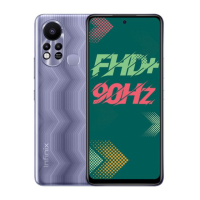
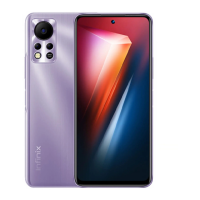
The "Know your phone" section provides a basic overview of the external features and controls. It identifies the front camera, volume + key, volume - key, and power key. These are the primary interaction points for users, enabling them to capture photos, adjust audio levels, and control the device's power state. Understanding these controls is fundamental for everyday use of the Infinix X6823C.
For initial setup, the "SIM/SD card installation" section guides users through the process. It explicitly states that the mobile device must be powered off before installation. Users are instructed to refer to a provided picture for the correct placement of the SIM and SD cards. This ensures proper network connectivity and expandable storage functionality. Correct installation is vital to avoid damage to the SIM/SD card slots or the cards themselves.
The "Charging the phone" section outlines the procedure for powering up the Infinix X6823C. Users can charge their device using either a charger or by connecting it to a computer via a USB cable, which is included with the phone. A critical reminder is given to pay attention to the front and back orientation of the plug to prevent damage. Furthermore, the manual emphasizes the importance of using only Infinix chargers and cables, warning that other chargers or cables may harm the device and invalidate the phone's warranty. This highlights a key maintenance feature, ensuring the longevity and safety of the device's battery and charging port.
The FCC Statement section is a crucial part of the manual, providing regulatory compliance information. It states that the device complies with Part 15 of the FCC Rules, meaning it operates under two conditions: it may not cause harmful interference, and it must accept any interference received, including that which may cause undesired operation. The manual also warns that changes or modifications not expressly approved by the party responsible for compliance could void the user's authority to operate the equipment. This is an important note for users considering any unauthorized modifications.
Regarding interference, the manual explains that the equipment has been tested and found to comply with Class B digital device limits, designed to provide reasonable protection against harmful interference in a residential installation. It acknowledges that the equipment generates and can radiate radio frequency energy, which, if not installed and used according to instructions, may cause harmful interference to radio communications. However, it assures that there is no guarantee interference will not occur in a particular installation. If interference does occur, the user is encouraged to try corrective measures such as reorienting or relocating the receiving antenna, increasing the separation between the equipment and receiver, or consulting the dealer or an experienced radio/TV technician. This section provides valuable troubleshooting advice for potential interference issues.
The SAR Information Statement details the device's compliance with radiofrequency (RF) energy emission limits set by the Federal Communications Commission (FCC). It clarifies that the wireless phone is designed and manufactured not to exceed these limits, which are part of comprehensive guidelines establishing permitted levels of RF energy for the general population. These guidelines are based on scientific studies and include a safety margin to assure the safety of all persons, regardless of age and health. The Specific Absorption Rate (SAR) is the unit of measurement used, with the FCC limit set at 1.6 W/kg. SAR tests are conducted with the phone transmitting at its highest certified power level across all tested frequency bands. The manual explains that the actual SAR level during operation can be well below the maximum value because the phone adjusts its power output to only what is required to reach the network. The closer the device is to a wireless base station antenna, the lower the power output. Before a phone model is sold, it must be tested and certified by the FCC to ensure it does not exceed the established limit for safe exposure.
The highest SAR value for this model phone, the Infinix X6823C, when tested for use at the ear, is 1.173W/Kg, and when worn on the body, it is 0.641W/Kg. The maximum scaled SAR in hotspot mode is 1.087W/Kg. The FCC has granted an Equipment Authorization, confirming that all reported SAR levels comply with RF exposure guidelines. Users can find SAR information on the FCC website by searching for FCC ID: 2AIZN-X6823C. Additional information on SAR can also be found on the Cellular Telecommunications Industry Association (CTIA) website. In the United States and Canada, the SAR limit for mobile phones used by the public is 1.6 watts/kg (W/kg) averaged over one gram of tissue, with a substantial safety margin incorporated.
The "Body-worn Operation" section provides specific guidelines for using the device when worn on the body. It states that the device was tested for typical body-worn operations and, to comply with RF exposure requirements, a minimum separation distance of 10mm must be maintained between the user's body and the handset, including the antenna. It further specifies that third-party belt-clips, holsters, and similar accessories used with this device should not contain any metallic components. Body-worn accessories that do not meet these requirements may not comply with RF exposure requirements and should be avoided. Users are advised to use only the supplied or an approved antenna. This section is crucial for ensuring user safety and compliance with RF exposure standards during portable use.
Finally, the manual includes information about DTS patents and licensing, indicating that the device incorporates DTS technology for audio. It also states that DTS, the Symbol, and DTS and the Symbol together are registered trademarks or trademarks of DTS, Inc. in the United States and/or other countries. The operating system is identified as Android™, which is a trademark of Google LLC. This information provides context on the software and audio technologies integrated into the Infinix X6823C.
 General
| Model | Infinix X6823C |
|---|---|
| Category | Cell Phone |
| Display Size | 6.82 inches |
| Resolution | 720 x 1640 pixels |
| RAM | 4GB |
| Front Camera | 8 MP |
| Battery Capacity | 6000 mAh |
| SIM | Dual SIM (Nano-SIM, dual stand-by) |
| Network | 4G LTE |
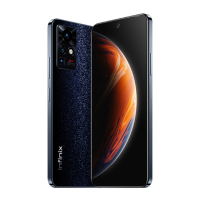
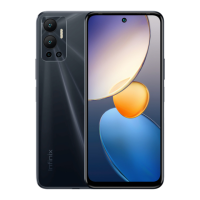
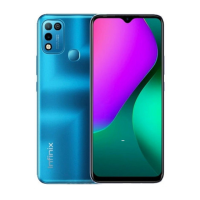
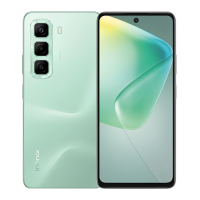
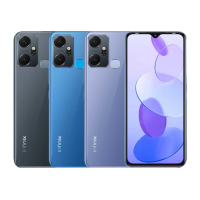
| Colors | Black, Blue, Green |
| Main Camera | 2MP |
| Operating System | Android 11 |
| Weight | 207 g |
| Internal Storage | 64GB, 128GB |

 To Next Page