Read the safety and operating information provided in the manufacturer’s manual before
attempting to activate the water heater.
Make sure the water heater is filled with water before use; even momentary operation of
the water heater without water in it may result in damage to the tank heating element
and/or controls. Double check the bypass valves, make sure they are set properly.
Always open both the hot and cold water faucets when filling the fresh water tank to allow
air pockets to be forced out of the water heater
Water heater switch (if so equipped)
The "propane GAS" water heater switch enables propane operation of the water heater.
The "ELECTRIC" water heater switch enables electric operation of the water heater
Water heater-pilot light (if so equipped)
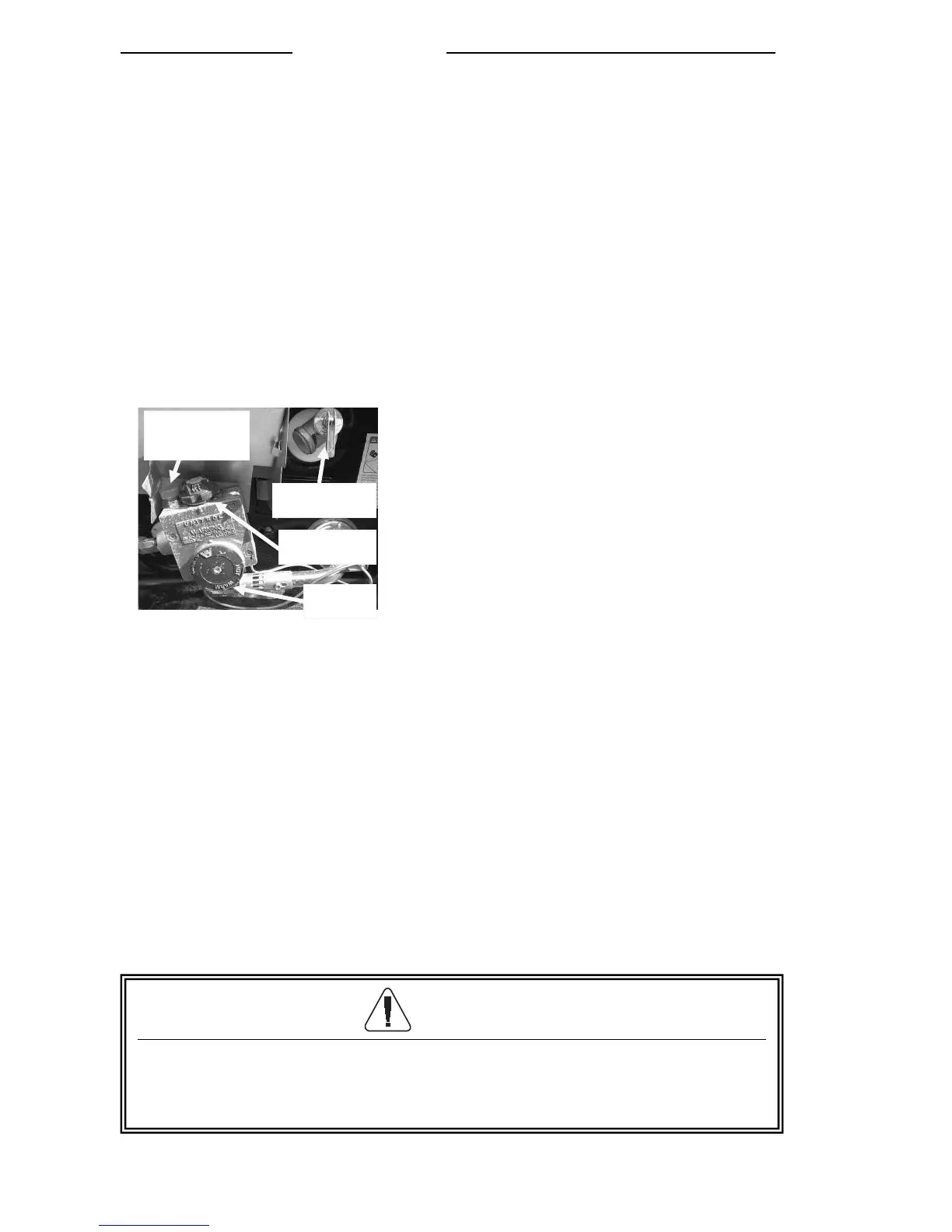
This water heater is gas only with a pilot ignition. The water heater controls are typically
located in an outside compartment, and is ignited manually from the outside of the vehicle.
Hot water will be available in approximately 30 minutes.
Refer to the water heater manufacturer’s manual for lighting instructions.
Water heater bypass (If So Equipped)
Your recreation vehicle may be equipped with a water heater bypass. This three-valve
system is located at either the water heater, or on the system panel depending on your
model. For detailed information see the Water Heater Bypass section
Water heater switches (if so equipped):
Switches are located on the Monitor Panel. For detailed information on their operation
refer to the Monitor Panel section.
Odor from the hot water system
Many water supplies contain sufficient amounts of sulfur to produce an odor, often called
“sulfur water.” Sulfur water can be caused by a chemical action or by bacteria. Generally,
sulfur water is not harmful, only unpleasant to smell. Refer to the water heater
manufacturer’s owner’s manual for details on eliminating the odor from sulfur water.
Odor from sulfur water is not a service problem.


 To Next Page