
 Need help?
Do you have a question about the Jetmaster Open Wood Fire and is the answer not in the manual?
Detailed steps for initiating a fire using kindling, firelighters, and initial logs.
Guidance on wood types, burn rate adjustment via damper, and maintaining optimal ash depth.
Crucial warning about logpan warping and recommended use of sand as an alternative.
Essential steps for cleaning the chimney and flue, including damper blade removal and reinstallation.
Instructions for cleaning the cowl and applying touch-up paint for the firebox.
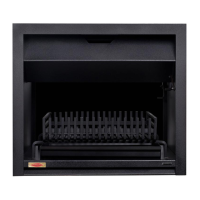
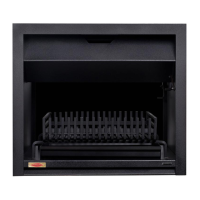
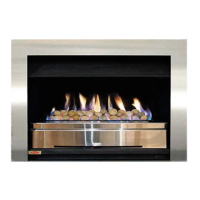
The Jetmaster Open Wood Fire is a heating appliance designed for efficient wood burning, providing warmth and ambiance. It is suitable for both residential and commercial settings, offering a robust and reliable heating solution. The design emphasizes ease of use, effective heat output, and straightforward maintenance, ensuring a long lifespan for the unit.
The primary function of the Jetmaster Open Wood Fire is to burn wood efficiently to produce heat. It operates as an open wood fire, allowing users to experience the traditional charm of a crackling fire while benefiting from modern design principles that enhance heat output and reduce smoke. The firebox is engineered to maximize radiant and convected heat, distributing warmth effectively throughout the space. The design incorporates features that optimize combustion, such as specific air intake points and a carefully shaped firebox, which contribute to a cleaner burn and higher efficiency compared to conventional open fires.
The Jetmaster system is designed to be integrated into various architectural styles, making it a versatile choice for different home aesthetics. It can be installed as a standalone unit or within existing fireplace structures, provided the necessary clearances and ventilation requirements are met. The appliance is particularly effective in drawing air for combustion, which helps in maintaining a strong flame and consistent heat output. The design also aims to minimize the escape of smoke into the room, directing it efficiently up the chimney or flue system.
Using the Jetmaster Open Wood Fire involves several key steps to ensure optimal performance and safety.
To start a fire, it is recommended to use small, dry softwood kindling and small pieces of wood. These should be placed on the grate, which is designed to allow proper airflow from below. The use of firelighters can assist in igniting the wood quickly. Once the kindling is lit, gradually add larger pieces of wood, ensuring there is enough space for air circulation around the burning material.
The Jetmaster system uses a specific method for loading wood to maximize efficiency. Wood should be placed in two rows, split logs placed as shown in diagram 1. The first row of logs should be placed at the back of the firebox, followed by a second row in front. This arrangement helps in creating a strong ember bed and promotes even burning. The recommended wood types include Manuka, Gum, or softwood, as these burn efficiently and produce good heat. Hardwood can also be used, but it is best to start the fire with softwood to establish a good bed of embers. The best way to maintain a burn result is with a 50/50 mix of both types of wood.
The unit features a damper blade, which is crucial for controlling the burn rate and heat output. The damper can be adjusted using a lever mechanism. Pushing the damper fully open allows maximum airflow, leading to a hotter, faster burn. Pushing it fully close restricts airflow, slowing down the burn and extending the burn time. For optimal performance, the damper should be adjusted to maintain a steady flame and avoid excessive smoke. The damper lever friction bar has two adjustment nuts that can be tightened or loosened to control the damper level.
The Jetmaster is designed to operate at its optimum when the ash level in the logpan is approximately 50mm deep. Maintaining this ash depth at all times is beneficial for best results and helps remove excess ash when it spills over the picket fence, which is designed to support large logs. To ensure the air gaps in the picket fence are clear, users should periodically clean the end of the damper blade tool or a poker.
It is important to avoid over-packing the firebox with wood, as this can restrict airflow and lead to inefficient burning or excessive smoke. Users should also be aware of the heat generated by the appliance and ensure that children and pets are kept at a safe distance. Always use appropriate tools, such as fireproof gloves and tongs, when handling wood or adjusting the fire.
Regular maintenance is essential to ensure the Jetmaster Open Wood Fire operates safely and efficiently for many years.
Flues or chimneys should be cleaned at least once a year for best results. Before cleaning, it is essential to remove the fire's damper blade. This involves unscrewing the two adjustment nuts on the friction bar (diagram 3). Push the right-hand side of the damper upwards to relieve the locating bracket pin, then slide the damper fractionally to the right to remove it from the left-hand locating pin. Once removed, the chimney and flue can be cleaned upwards through the smoke ducts, typically using a vacuum cleaner. After cleaning, reverse the steps to reinstall the damper blade. It is also essential to ensure the cowl is cleaned at the same time as the flue.
The firebox itself requires periodic cleaning to remove ash and creosote buildup. While a certain level of ash is beneficial for optimal operation, excessive buildup can impede airflow and reduce efficiency. The picket fence and logpan should be cleaned regularly to ensure air gaps remain clear.
Over time, the exterior surfaces of the Jetmaster may show signs of wear. High-temperature black paint can be used for touch-up purposes when required. Before applying paint, ensure all surfaces are cleaned and either wire-brushed or rubbed over with a Scotchbrite pad. Contact the manufacturer for additional paint if needed.
The damper lever friction bar and its adjustment nuts should be checked periodically. These nuts are used for tightening or loosening damper level control. If the damper becomes difficult to move or does not hold its position, adjusting these nuts can restore proper function.
Regularly inspect the entire unit for any signs of wear, damage, or loose components. Pay attention to the integrity of the firebox, grate, and any seals. Addressing minor issues promptly can prevent them from escalating into larger problems.
To ensure efficient burning, always use dry, seasoned wood. Storing wood in a dry, well-ventilated area is crucial. Wet or unseasoned wood burns inefficiently, produces more smoke, and can lead to creosote buildup in the chimney.
By following these usage and maintenance guidelines, users can enjoy the warmth and ambiance of their Jetmaster Open Wood Fire for many years, ensuring efficient operation and safety.
 General
| Fuel Type | Wood |
|---|---|
| Heat Output | Varies by model |
| Flue Required | Yes |
| Material | Steel |
| Type | Open |


 To Next Page