XM Wheeled Dry Chemical Fire Extinguisher
Operation and Maintenance Manual
(Part No. S-50651)
2023-AUG-30 REV. 02 PAGE 13
MAINTENANCE
MAINTENANCE
To make sure that the extinguisher operates effectively and safely,
maintenance must be conducted semi-annually on stationary
extinguishers and annually on wheeled extinguishers, or when
specically indicated by an inspection.
If a questionable condition exists, see the Service and Repair
section of this manual, and familiarize yourself with that section
before performing maintenance.
NOTICE
The regulators must be tested annually,
using the improved regulator test kit (Part No.
16171). For proper procedures refer to the
manual (Part No. 53141) which is supplied
with the kit.
1. Check that the extinguisher is in its designated area.
2. Note the general appearance of the extinguisher and check
for mechanical damage or corrosion.
3. Check the nameplates for readability, corrosion, or looseness.
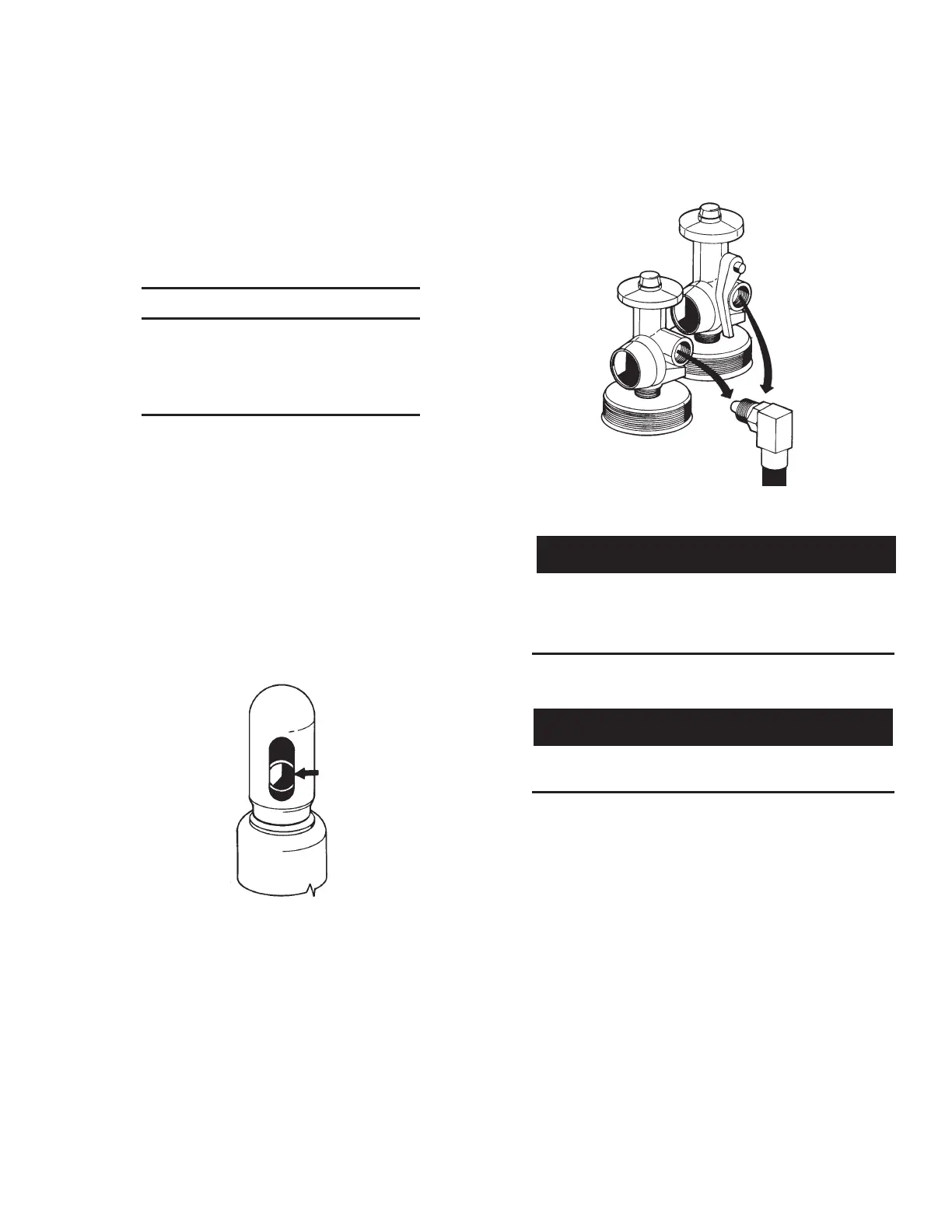
4. Read the nitrogen cylinder gauge, note pressure, check the
ambient temperature, and refer to the Temperature Correction
Chart section of the ANSUL® Wheeled and Stationary Dry
Chemical Fire Extinguishers Operation, Inspection, Service
and Maintenance, and Recharge Manual (Part No. 79012).
Replace the cylinder if below minimum pressure. If you need
to replace the cylinder, see Returning the extinguisher to
service after use in the Recharge section of this document
for instructions
FIGURE 21
002667
5. Remove high pressure hose from nitrogen cylinder valve.
FIGURE 22
002664
!
WARNING
Do not place body or head in front of nitrogen cylinder
valve outlet. If valve is accidentally operated, velocity of
unrestricted escaping gas is forceful enough to cause
injury, especially about the face and head.
6. Install the safety shipping cap (Part No. 73066) on the
nitrogen cylinder.
!
WARNING
Safety shipping cap must always be in place when
removing or installing a nitrogen cylinder.


 To Next Page
 Loading...