EasyManua.ls Logo

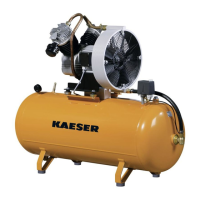
KAESER EPC 1500-G - User Manual

KAESER EPC 1500-G
102 pages
Print Icon
To Next Page IconTo Next Page
Loading...
Assembly and operating manual
1-stage piston compressor
EPC-G
No.: 9_5752 24 E
Manufacturer:
KAESER KOMPRESSOREN SE
96410 Coburg • PO Box 2143 • GERMANY • Tel. +49-(0)9561-6400 • Fax +49-(0)9561-640130
http://www.kaeser.com

Table of Contents

Question and Answer IconNeed help?

Do you have a question about the KAESER EPC 1500-G and is the answer not in the manual?

Summary

2 Technical Specifications

2.7 Pressure

Details on cylinder relief valve and collecting pipe relief valve settings.

2.9 Motor power and speed

Specifications for motor power, speed, and enclosure protection.

2.11 Electrical connection

Basic requirements and specifications for connecting the machine to electrical power.

2.11.1 Power supply specifications

Details conductor cross-sections, fusing, and supply specifications for various voltages.

2.11.2 Option C5: Electrical connection data for oil level monitoring

Specific electrical connection data for the oil level monitoring option.

2.12 Mains conditions

Information on mains frequency, voltage, and network impedance requirements.

3 Safety and Responsibility

3.1 Basic instructions

General instructions on safe operation, covering potential dangers and user responsibilities.

3.2 Specified use

Defines the intended use of the machine and disclaims liability for incorrect use.

3.3 Improper use

Highlights potential damages and injuries resulting from incorrect usage of the machine.

3.4 Users responsibilities

Outlines the user's duties regarding regulations, personnel, and safety.

3.5 Keeping to Inspection Schedules and Accident Prevention Regulations

Emphasizes adherence to inspection schedules and accident prevention rules.

3.6 Dangers

Details various dangers associated with machine operation, including electricity and pressure.

3.6.2 Safe machine operation

Provides information on safe handling during individual product life phases and personal protective equipment.

3.7 Safety devices

Explains the importance and proper use of various safety devices on the machine.

3.10 In emergency

Provides instructions for emergency situations like fire fighting and handling oil injuries.

4 Design and Function

4.3 Operating modes and control modes

Explains the different operating modes (LOAD, READY) and the function of external control units.

4.4 Safety devices

Details the built-in safety devices and user-installable safety and regulating devices.

5 Installation and Operating Conditions

5.1 Ensuring safety

General safety guidelines for installation and operation, emphasizing hazard avoidance.

5.2 Installation conditions

Specifies requirements for the installation location, clearances, and environmental conditions.

5.2.2 Ensuring the machine room ventilation

Details the tasks required for adequate machine room ventilation to prevent pressure issues and manage heat.

6 Installation

6.1 Ensuring safety

Safety instructions specific to the installation process, emphasizing electrical and compressed air hazards.

6.5 Connecting the machine with the compressed air network

Details on connecting the machine to the network, including pipework and sealing material recommendations.

6.8 Connecting the machine to the power supply

Steps for safely connecting the machine to the electrical power supply by authorized personnel.

6.9.1.1 Connecting the oil level monitor

Detailed instructions for connecting the oil level monitor for direct online and star-delta starting.

Adjusting the setting

Procedure for adjusting the oil level monitoring setting by moving the sensing contact.

7 Initial Start-up

7.1 Ensuring safety

Safety precautions to be followed before and during the initial commissioning of the machine.

7.2 Instructions to be observed before commissioning or re-commissioning

Checklist and special measures for re-commissioning after storage.

7.3 Checking installation and operating conditions

A comprehensive checklist to verify installation and operating conditions before commissioning.

7.4 Motor protection

Details on setting and adjusting motor protection devices for direct online and star-delta starting.

7.6 Starting the machine for the first time

Steps for the initial startup, including checks after the first hour and 50 operating hours.

8 Operation

8.1 Switching on and off

Procedures for safely switching the compressed air station on and off using various start modes.

8.1.2 Direct online start with solenoid valve

Steps for operating the machine with a solenoid valve and external controller.

9 Fault Recognition and Rectification

9.2 Faults

A table listing common faults, their possible causes, and recommended remedies.

10 Maintenance

10.10 Changing the compressor oil

Procedure for completely draining and changing the compressor oil, with safety precautions.

Summary

2 Technical Specifications

2.7 Pressure

Details on cylinder relief valve and collecting pipe relief valve settings.

2.9 Motor power and speed

Specifications for motor power, speed, and enclosure protection.

2.11 Electrical connection

Basic requirements and specifications for connecting the machine to electrical power.

2.11.1 Power supply specifications

Details conductor cross-sections, fusing, and supply specifications for various voltages.

2.11.2 Option C5: Electrical connection data for oil level monitoring

Specific electrical connection data for the oil level monitoring option.

2.12 Mains conditions

Information on mains frequency, voltage, and network impedance requirements.

3 Safety and Responsibility

3.1 Basic instructions

General instructions on safe operation, covering potential dangers and user responsibilities.

3.2 Specified use

Defines the intended use of the machine and disclaims liability for incorrect use.

3.3 Improper use

Highlights potential damages and injuries resulting from incorrect usage of the machine.

3.4 Users responsibilities

Outlines the user's duties regarding regulations, personnel, and safety.

3.5 Keeping to Inspection Schedules and Accident Prevention Regulations

Emphasizes adherence to inspection schedules and accident prevention rules.

3.6 Dangers

Details various dangers associated with machine operation, including electricity and pressure.

3.6.2 Safe machine operation

Provides information on safe handling during individual product life phases and personal protective equipment.

3.7 Safety devices

Explains the importance and proper use of various safety devices on the machine.

3.10 In emergency

Provides instructions for emergency situations like fire fighting and handling oil injuries.

4 Design and Function

4.3 Operating modes and control modes

Explains the different operating modes (LOAD, READY) and the function of external control units.

4.4 Safety devices

Details the built-in safety devices and user-installable safety and regulating devices.

5 Installation and Operating Conditions

5.1 Ensuring safety

General safety guidelines for installation and operation, emphasizing hazard avoidance.

5.2 Installation conditions

Specifies requirements for the installation location, clearances, and environmental conditions.

5.2.2 Ensuring the machine room ventilation

Details the tasks required for adequate machine room ventilation to prevent pressure issues and manage heat.

6 Installation

6.1 Ensuring safety

Safety instructions specific to the installation process, emphasizing electrical and compressed air hazards.

6.5 Connecting the machine with the compressed air network

Details on connecting the machine to the network, including pipework and sealing material recommendations.

6.8 Connecting the machine to the power supply

Steps for safely connecting the machine to the electrical power supply by authorized personnel.

6.9.1.1 Connecting the oil level monitor

Detailed instructions for connecting the oil level monitor for direct online and star-delta starting.

Adjusting the setting

Procedure for adjusting the oil level monitoring setting by moving the sensing contact.

7 Initial Start-up

7.1 Ensuring safety

Safety precautions to be followed before and during the initial commissioning of the machine.

7.2 Instructions to be observed before commissioning or re-commissioning

Checklist and special measures for re-commissioning after storage.

7.3 Checking installation and operating conditions

A comprehensive checklist to verify installation and operating conditions before commissioning.

7.4 Motor protection

Details on setting and adjusting motor protection devices for direct online and star-delta starting.

7.6 Starting the machine for the first time

Steps for the initial startup, including checks after the first hour and 50 operating hours.

8 Operation

8.1 Switching on and off

Procedures for safely switching the compressed air station on and off using various start modes.

8.1.2 Direct online start with solenoid valve

Steps for operating the machine with a solenoid valve and external controller.

9 Fault Recognition and Rectification

9.2 Faults

A table listing common faults, their possible causes, and recommended remedies.

10 Maintenance

10.10 Changing the compressor oil

Procedure for completely draining and changing the compressor oil, with safety precautions.

KAESER EPC 1500-G Specifications

General IconGeneral
ModelEPC 1500-G
Operating Pressure7.5 bar
Voltage400 V
Frequency50 Hz
TypeScrew Compressor

Related product manuals