
 Need help?
Do you have a question about the Kärcher HDS 8/17-4 M and is the answer not in the manual?
Covers material recycling and proper disposal of appliances and substances.
Explains the meaning of Danger, Warning, and Caution symbols used in the manual.
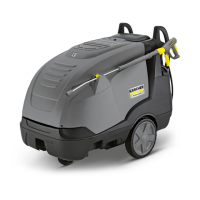
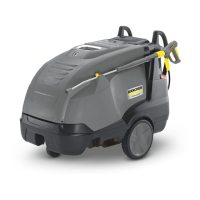
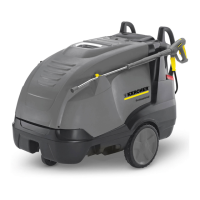
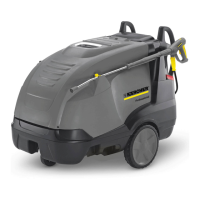
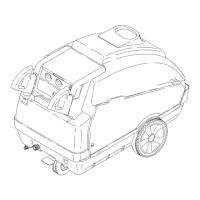
Lists and describes the various external parts of the machine.
Details the control panel, indicators, and the color scheme for controls.
Explains symbols found directly on the machine itself.
Details the intended uses and safety warnings for cleaning various items.
Covers national rules, accident prevention, and heating system regulations.
Explains the purpose of overflow valves, safety valves, and water shortage safeguards.
Procedure for installing the handle and using system care for calcification protection.
Instructions for safely refilling the fuel tank and detergent, with necessary precautions.
Steps for connecting the hand spray gun, jet pipe, nozzle, and high-pressure hose.
Procedure for replacing the high-pressure hose, with and without hose drum.
Instructions for connecting to water supply and drawing water from a vessel.
Details safe electrical connection, extension cables, and impedance.
Key safety precautions during operation, including spray lance use and fuel handling.
Procedure for nozzle changes and explanation of different operating modes.
Steps for turning on the appliance, adjusting cleaning temperature, and checking indicators.
Instructions for setting working pressure and flow rate at the pump unit and spray gun.
Guidelines for economical detergent use and recommended cleaning techniques.
Details on operating with cold water, including eco mode and temperature settings.
Recommended temperatures and precautions for operating with hot water and steam.
Procedure for rinsing the appliance after detergent use and steps for safe shutdown.
Instructions for storing the appliance, including hose management and frost prevention measures.
Steps for shutting down, draining, and flushing with anti-freeze agent.
Guidelines for safe transport and initial steps for maintenance and care.
Defines weekly, monthly, and annual tasks for appliance upkeep.
Detailed steps for cleaning sieves in water connection, water shortage safeguard, and detergent suck hose.
Procedure for oil change and introduction to troubleshooting common issues.
Explains blinking for rotational direction, 'Ready for use' status, and engine errors.
Details error codes indicated by burner failure lamps and service interval indicators.
Interprets indicators for fuel levels, system care status, and detergent tank levels.
Troubleshooting for device not sucking detergent and not building pressure.
Addresses leaks, devices turning on/off, and burner starting problems.
Solutions for when set temperature is not achieved or heating spirals become sooty.
Details the warranty policy, repair conditions, and validity requirements.
Emphasizes using manufacturer-approved parts and lists common spare parts.
Confirms compliance with relevant EU Directives and safety requirements.
Lists the harmonized standards and applied specifications the product adheres to.
Provides electrical supply, voltage, current, and water connection parameters.
Details water flow rates, operating pressures, and steam flow.
Includes noise emission levels, hand-arm vibration values, and fuel specifications.
Covers additional performance metrics, burner performance, and nozzle sizes.
Provides detailed dimensions, weights, fuel tank, and detergent tank capacities.
 General
| Type | Hot water high-pressure cleaner |
|---|---|
| Operating pressure | 30 - 170 bar |
| Pressure | 170 bar |
| Voltage | 400 V |
| Hose length | 10 m |
| Nozzle angle | 25° |


 To Next Page
