Page 12
Use ABS, PVC, CPVC or galvanized pipe for the
combustion air intake (see Table 4), sized per Table 2.
Route the intake to the boiler as directly as possible. Seal
all joints. Provide adequate hangers. The unit must not
support the weight of the combustion air intake pipe.
Maximum linear pipe length allowed is shown in Table 2.
Subtract 5 allowable linear ft. (1.5m) for every elbow used.
The connection for the intake air pipe is at the top of
the unit (see Figure 8).
In addition to air needed for combustion, air shall
also be supplied for ventilation, including air required for
comfort and proper working conditions for personnel.
3.2 Venting
WARNING
Failure to use CPVC or stainless steel venting for the
first 20" (sizes 285-600) / 30" (size 199) of vent material
or for any part of the venting that is installed inside a
closet may lead to property damage, personal injury or
death. The proper length of this material is supplied with
boiler. Boilers in U.S. may use pipe included with boiler.
WARNING
Failure to use the appropriate vent material, installation
techniques, glues/sealants could lead to vent failure
causing property damage, personal injury or death.
WARNING
All venting must be installed according to this manual
and any other applicable local codes, including but not
limited to, ANSI Z223.1/NFPA 54, CSA B149.1,
CSAB149.2 and ULC-S636. Failure to follow this
manual and applicable codes may lead to property
damage, severe injury, or death.
The flue temperature of the Keystone changes
dramatically with changes in operating water
temperature. Therefore, it is necessary to assess the
application of the boiler to determine the required
certified vent class. If the Keystone is installed in an
application where the ambient temperature is
elevated, and/or installed in a closet/alcove, CPVC or
stainless steel material is required. If the system
temperatures are unknown at the time of
installation, class IIB or higher venting material is
recommended.
The keystone is a Category IV appliance and
may be installed with PVC and CPVC that complies
with ANSI/ASTM D1785 F441, stainless steel vent
system that complies with UL1738 or Polypropylene
that complies with ULC-S636 (see Table 5). When
using polypropylene the vent system must use
components from the same manufacturer. All of the
components used must be listed to ULC-S636 by a
recognized testing agency.
The unit’s vent can terminate through the roof, or
through an outside wall.
When using PVC/CPVC for vent material, venting
must be connected to the CPVC section included with
Keystone sizes 199-600. The CPVC vent section
included with the Keystone may be broken by CPVC
fittings if necessary, but never reduced in total length.
See Table 2 to select the appropriate vent pipe diameter.
Vent pipe must pitch upward, toward the vent terminal,
not less than 1/4" per foot, so that condensate will run
back to the Keystone to drain. Route vent pipe to the
heater as directly as possible. Seal all joints and provide
adequate hangers as required in the venting system
manufacturer’s Installation Instructions. Horizontal
portions of the venting system must be supported to
prevent sagging and may not have any low sections that
could trap condensate. The unit must not support the
weight of the vent pipe. Please see Table 2 for proper
diameter vs. length allowed.
INSTALLATION STANDARDS
MATERIAL UNITED STATES CANADA
Stainless Steel UL 1738
Venting must be ULC-S636 certified for use as
PVC, sch 40 ANSI/ASTM D178
venting material. The venting material must be chosen
CPVC, sch 40 ANSI/ASTM F441
based upon the intended application of the boiler.
Polypropylene ULC-S636
Table 5. Required Exhaust Vent Material.
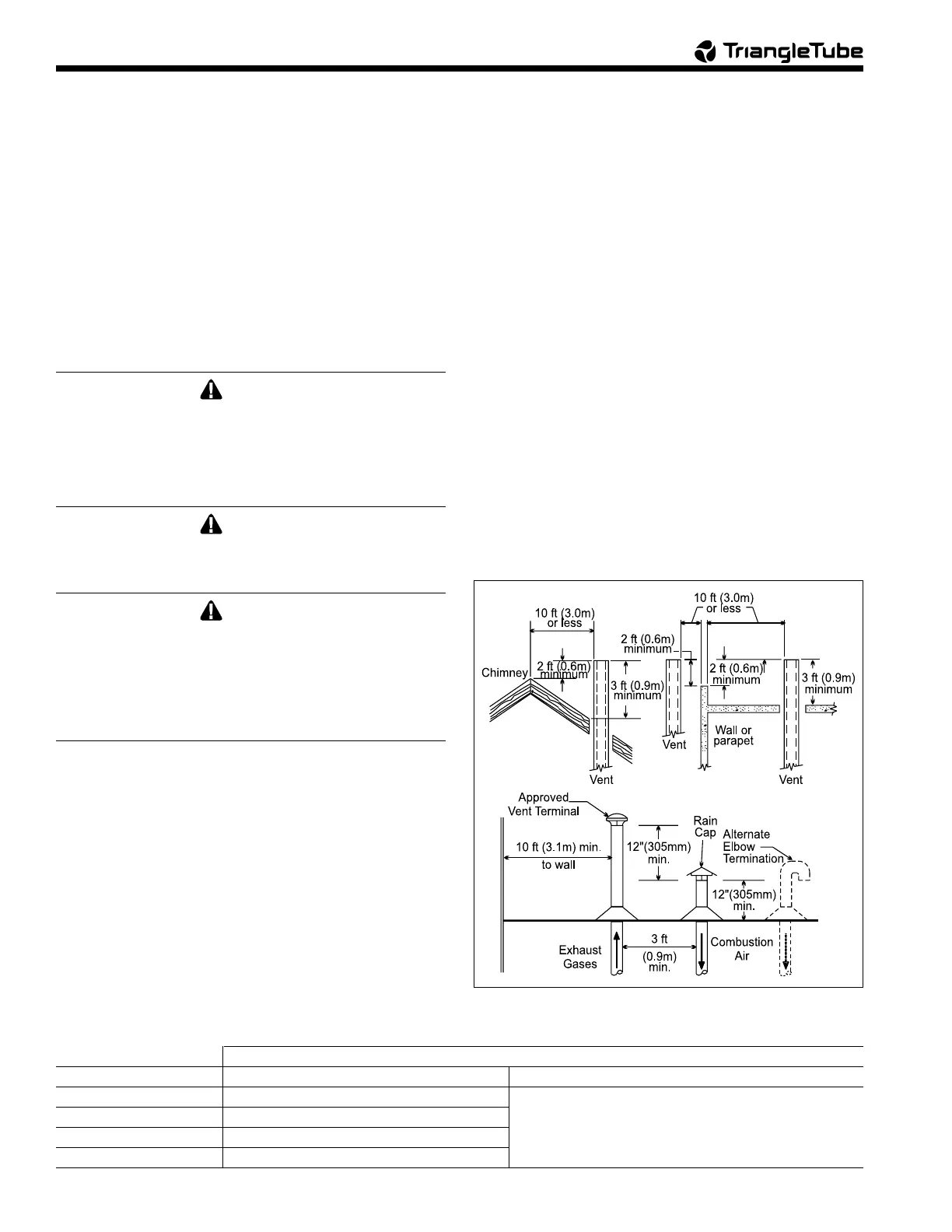
Figure 9. Combustion Air and Vent Through Roof.


 To Next Page