Input battery voltage is too low and the
unit has shut down
Recharge the battery immediately and restart the
unit. See E05 below.
Input battery voltage is too high and unit
has shut down
Check battery voltage or determine if any external
charger is connected to the battery bank
AC output is overloaded or short-circuited
and unit has shut down
Check the load connected to the output. Reduce load
and restart the unit
Internal temperature is too high and unit
has shut down
Turn unit off and wait for 15 minutes before
restarting. Check the fans and any potential object
obstructing the air flow to the unit
Input battery voltage is low and warning
occurs
Recharge the battery as the unit will shut down
shortly. Check the DC wire gauges and length
against excessive voltage drop triggering the E05
and then the E01. Try thicker gauges and/or shorter
wires.
AC output load connected has sensed
high and is close to shutdown limit
Internal temperature is high and is close
to shutdown limit
Reduce the load and check if any ventilation of the
unit is blocked
AC Load and the Power Supplied by the Inverter
The Inverter can provide high surge (peak) power up to two times the rated nominal one, as long that
surge does not last more than a few 60Hz cycles (about 100 msec.). Otherwise, the unit triggers the
overload shutdown (E03 error) which can happen when providing power to inductive AC loads (e.g.
with medium/heavy electric motors) particularly at their starting moment. If so, a higher power Inverter
is required for those appliances.
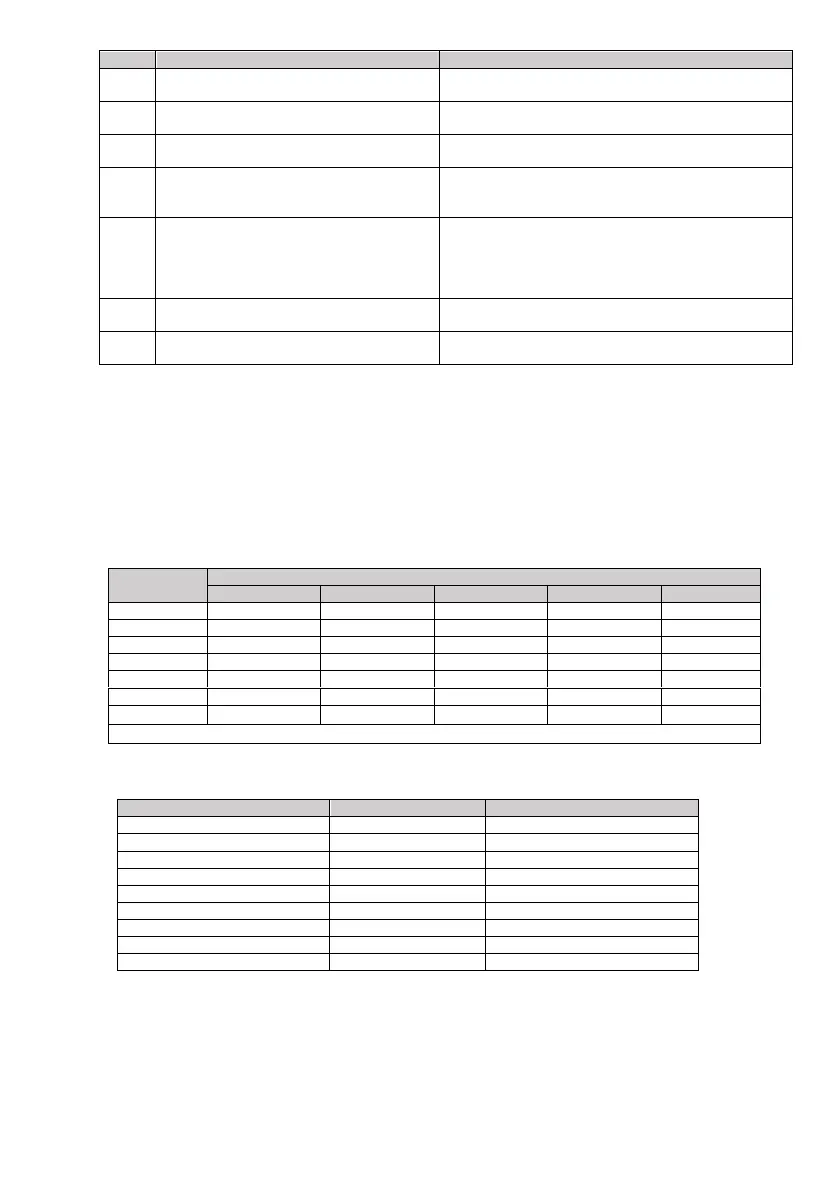
Estimated Runtime
The following runtimes are estimates for reference only and based on the use of different battery
bank sizes. Actual runtimes may vary.
Estimate runtime on different 24V Battery Bank Sizes
Note: * - 2000W Model only, N.R. - Not Recommended
The following runtimes are estimates for reference only and based on the typical load using a 24V-
60AH battery bank. Actual runtimes may vary.
Refrigerator (18 cu. ft.)
Note: * - 2000W Model only
5. POWER SAVE SETTING
All the settings of the Inverter (i.e. the voltage, current and temperature thresholds for triggering alarms,


 To Next Page
 Loading...