EasyManua.ls Logo

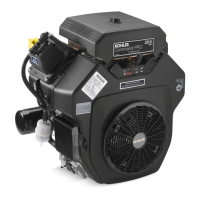
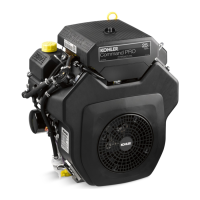
Kohler Command CH25 - Service Manual

Kohler Command CH25
232 pages
Print Icon
To Next Page IconTo Next Page
Loading...
SERVICE MANUAL
HORIZONTAL CRANKSHAFT
COMMAND CH18-750

Questions and Answers

  • E
    Elizabeth ColeAug 19, 2025
    How to fix Kohler Command CH25 Engine that cranks but won't start?
    • J
      Justin BurnsAug 19, 2025
      If your Kohler Engine cranks but doesn't start, several issues could be the cause. Here are some things to check: * Ensure the fuel shut-off valve is open and the fuel tank isn't empty. * Make sure the key switch or kill switch is in the ON position. * Replace with fresh, clean fuel. * Inspect and reconnect any disconnected spark plug leads. * Correct battery connections if connected backwards. * Replace a blown fuse. Additionally, inspect the choke, fuel lines, fuel filter, carburetor solenoid, and the SMART-SPARK system. Also, check the voltage to the electronic control unit and interlock switch.
  • S
    Steven StoutAug 23, 2025
    Why is my Kohler Command CH25 Engine losing power?
    • B
      Breanna RothAug 23, 2025
      If your Kohler Engine is losing power, several factors could be responsible. Check the following: * Ensure the air cleaner element is clean or replace it. * Reduce excessive engine load. * Replace the spark plug(s) if faulty. * Add oil if the crankcase oil level is low, or drain excess oil if the level is too high. * Replace with fresh, clean fuel. Also, investigate and resolve any overheating issues, clear any exhaust restrictions, adjust the governor setting, and check the battery.
  • K
    Kristy White PhDAug 26, 2025
    Why does my Kohler Command CH25 start but not keep running?
    • T
      Thomas AdamsAug 27, 2025
      If your Kohler Engine starts but doesn't keep running, consider these potential causes: * Replace with fresh, clean fuel. * Clear the restricted fuel tank cap vent. * Repair or replace the fuel pump or associated hoses if there's a malfunction or vacuum hose issue. * Replace the faulty carburetor or cylinder head gasket. * Adjust or replace the choke or throttle controls if they are faulty or misadjusted. Additionally, inspect and secure any loose wires or connections and repair any intake system leaks.
  • R
    rosejeffreyAug 28, 2025
    How to fix Kohler Engine that starts hard?
    • X
      xmartinezAug 28, 2025
      If your Kohler Engine starts hard, several factors could be the cause. You can try the following: * Replace with fresh, clean fuel. * Clean or replace the clogged fuel line or filter. * Adjust or replace the choke or throttle controls if they are faulty or misadjusted. * Replace the faulty spark plug(s). * Check and repair or replace the interlock switch if it is engaged or faulty. Also, inspect and secure any loose wires or connections. Replace the sheared flywheel key and the faulty ACR mechanism. Check and improve spark strength, and investigate and remedy low compression and overheating issues.
  • J
    Jack KaufmanAug 30, 2025
    What causes a Kohler Engine to use an excessive amount of oil?
    • W
      Walter MeyersAug 30, 2025
      If your Kohler Engine uses an excessive amount of oil, consider the following: * Drain excess oil to the appropriate level if the crankcase is overfilled. * Use the correct oil viscosity/type. * Replace the broken breather reed. * Repair or replace the crankcase breather. * Replace the blown head gasket. * Replace the worn or broken piston rings, the worn valve stems/valve guides, and repair or replace the worn cylinder bore. Also, tighten fasteners to the correct torque.
  • B
    Barry AcevedoSep 1, 2025
    What to do if Kohler Command CH25 starts but does not keep running?
    • K
      Kenneth NguyenSep 1, 2025
      If your Kohler Engine starts but doesn't keep running, the issue might stem from a faulty carburetor, a faulty cylinder head gasket, or misadjusted choke or throttle controls. A fuel pump malfunction with a clogged or leaking vacuum hose, an intake system leak, loose wires intermittently grounding the ignition kill circuit, poor fuel quality, or a restricted fuel tank cap vent could also be responsible. Replace the faulty carburetor, replace the faulty cylinder head gasket, adjust or replace the choke or throttle controls, inspect the fuel pump and vacuum hose for clogs or leaks, repair the intake system leaks, secure and repair loose wires or connections, replace the fuel with fresh, clean fuel, and clear the restricted fuel tank cap vent.
  • B
    brownjamesSep 4, 2025
    What to do if my Kohler Command CH25 overheats?
    • Q
      qhillSep 4, 2025
      If your Kohler Engine is overheating, consider the following: * Reduce excessive engine load. * Refill the cooling system fluid if the level is low. * Add oil to the appropriate level if the crankcase oil level is low or drain excess oil if the level is high. * Replace the broken cooling fan or replace/reattach the fan belt. Also, check and repair the water pump, and clean or repair any clogged or leaking cooling system components. Adjust to achieve the correct fuel mixture and replace the faulty carburetor.
  • C
    Christina MccannSep 6, 2025
    What causes a Kohler Engine to not idle?
    • M
      Marc MooreSep 6, 2025
      If your Kohler Engine will not idle, here are potential causes and solutions: * Replace the faulty spark plug(s). * Replace with fresh, clean fuel. * Clear the restricted fuel tank cap vent. * Adjust the idle fuel needle(s) and the idle speed adjusting screw. * Ensure sufficient fuel supply. Additionally, investigate and resolve any overheating issues, and remedy low compression.
  • L
    Leslie DominguezSep 8, 2025
    What to do if my Kohler Command CH25 will not crank?
    • J
      Jennifer CampbellSep 8, 2025
      If your Kohler Engine will not crank, here are some things to check: * Charge or replace the battery if it is discharged. * Check and repair the engagement of pawls. * Check and repair or replace the interlock switch. * Inspect and secure loose wires or connections. * Replace the faulty key switch or ignition switch, and the faulty electric starter or solenoid. Also, investigate and rectify seized components.
  • J
    jarvisdylanSep 12, 2025
    Why does my Kohler Command CH25 Engine run but misses?
    • M
      Michele BradshawSep 12, 2025
      If your Kohler Engine runs but misses, consider these potential causes: * Replace the faulty spark plug(s). * Replace with fresh, clean fuel. * Reconnect the spark plug lead(s) and secure the spark plug lead boot. * Tighten the spark plug lead. * Check and repair or replace the interlock switch if it is engaged or faulty. Also, adjust the carburetor and the crankshaft position sensor air gap. Check and adjust or replace the ignition module(s), inspect and secure loose wires or connections, and investigate and resolve any overheating issues.

Summary

Section 1 Safety and General Information

Safety Precautions

To ensure safe operation, read and understand safety statements. Refer to manufacturer's manual.

WARNING, CAUTION, NOTE Definitions

Definitions of warning indicators for hazards and important information.

Engine Identification Numbers

Provides details on identifying engines by Model, Specification, and Serial Numbers for parts ordering.

Oil Recommendations

Proper oil type and weight are crucial for engine longevity. Check and change oil regularly.

Fuel Recommendations

Use clean, fresh, unleaded gasoline with appropriate octane rating. Avoid old or blended fuels.

Periodic Maintenance Instructions

Schedule for required maintenance procedures at specified intervals for optimal engine performance.

General Specifications

Detailed specifications including power, torque, bore, stroke, displacement, compression ratio, dry weight, and oil capacity.

General Torque Values

Metric fastener torque recommendations based on property class and application into aluminum.

Section 2 Tools & Aids

Separate Tool Suppliers

Lists suppliers for specialized tools and their contact information.

Tools

Lists specific tools required for engine service with their descriptions and part numbers.

Aids

Lists various aids such as lubricants and sealants required for engine assembly and maintenance.

Special Tools You Can Make

Provides instructions for fabricating specific tools for engine service using common parts.

Section 3 Troubleshooting

Troubleshooting Guide

Lists common engine problems and their potential causes for quick diagnosis.

External Engine Inspection

Guides on inspecting the engine's external condition before disassembly to identify potential issues.

Cylinder Leakdown Test

Detailed procedure for performing a cylinder leakdown test to assess valve and ring condition.

Section 4 Air Cleaner and Air Intake System

Standard Air Cleaner Service

Routine checks and maintenance for the standard air cleaner assembly to prevent wear.

Heavy-Duty Air Cleaner General

Overview of the heavy-duty air cleaner system, its components, and CARB/EPA certification.

Air Intake;Cooling System

Emphasizes keeping the engine clean for proper cooling and preventing overheating damage.

Section 5 Fuel System and Governor

Fuel System Components

Lists the key components of a typical carbureted fuel system.

Fuel System Tests

Provides a systematic approach to test fuel system components when the engine has starting or running issues.

Troubleshooting - Carburetor Related Causes

Lists common carburetor issues, their probable causes, and recommended remedies.

Fuel Shut-off Solenoid

Explains the function of the fuel shut-off solenoid and provides a test procedure for its operation.

Section 5 A LPG Fuel Systems

LPG Fuel System Components

Lists the typical components of a liquid withdrawal LPG fuel system.

Troubleshooting Checklist

Initial checks for LPG engines experiencing starting, running, or idling problems.

LPG Carburetor Adjustments

General information on LPG carburetors, noting preset fuel mixture settings.

Impco (Beam) Regulator

Detailed explanation of the Impco (Beam) regulator's operation and patented design features.

Nikki Regulator Secondary Chamber

Details the secondary chamber's role in reducing fuel pressure and the vacuum lock-off mechanism.

Section 5 B EFI Fuel System

Initial Starting;Priming Procedure

Important steps for purging air (priming) the EFI system before initial start-up.

Important Service Notes!

Crucial precautions and guidelines for servicing the EFI system to prevent damage and ensure safety.

Electronic Control Unit (ECU)

Details the ECU's role as the system's brain, its functions, and critical relationships with other sensors.

Throttle Position Sensor (TPS)

Explains how the TPS indicates throttle plate angle to the ECU for fuel and ignition settings.

TPS Initialization Procedure

Crucial steps for synchronizing the TPS with the ECU after component replacement or adjustment.

Fuel System

General warning about fuel system pressure and initial testing procedures.

Fault Codes

Explains how the ECU monitors operation, activates the MIL, and stores diagnostic codes.

Troubleshooting Flow Chart

Provides a visual flowchart for troubleshooting the EFI system.

Section 6 Lubrication System

Oil Recommendations

Guidance on selecting the correct oil type and viscosity based on temperature.

Checking Oil Level

Instructions for checking the engine oil level before each use using the dipstick.

Changing Oil and Oil Filter

Procedures for changing engine oil and filter at recommended intervals.

Oil Sentry

Overview of the Oil Sentryâ„¢ system for monitoring oil pressure and its function.

Section 7 Retractable Starter

WARNING: Spring Under Tension!

Critical safety warning about the tension in retractable starter springs and the need for eye protection.

To Remove Starter

Step-by-step instructions for removing the retractable starter from the blower housing.

Rope Replacement

Instructions for replacing the starter rope without complete starter disassembly.

Disassembly

Detailed instructions for disassembling the retractable starter, emphasizing spring tension safety.

Section 8 Electrical System and Components

Spark Plugs

Information on spark plug types, gap settings, and service procedures.

Battery

General information on battery requirements, maintenance, and voltage testing.

Electronic CD Ignition Systems

Introduces CD ignition systems and how SMART-SPARKâ„¢ is an advanced version.

Troubleshooting Guide

Troubleshooting guide for 15/20/25 Amp battery charging systems, covering no charge and high charge issues.

Electric Starting Motors

Overview of inertia drive and solenoid shift starting motors.

Solenoid Shift Electric Starters

Overview of solenoid shift starters and their operation.

Section 9 Disassembly

WARNING: Accidental Starts!

Critical safety warning to disable the engine before working on it to prevent accidental starting.

Typical Disassembly Sequence

A suggested sequence for complete engine disassembly, adaptable for options.

Shut Off Fuel Supply

Initial step to shut off fuel supply before draining oil or removing the oil filter.

Remove Air Cleaner Assembly

Steps for removing the standard air cleaner assembly.

Remove Fuel Pump

Procedures for disconnecting fuel lines and removing pulse-style and mechanical fuel pumps.

Remove Carburetor

Procedures for disconnecting fuel lines, linkages, and removing the carburetor assembly.

Remove Outer Baffles and Blower Housing

Steps for disconnecting plugs, removing baffles, and detaching the blower housing.

Remove Cylinder Heads and Hydraulic Lifters

Steps for removing cylinder heads, push rods, and hydraulic lifters.

Remove Flywheel

Procedures for removing the flywheel, emphasizing safety and proper tool usage.

Remove Closure Plate Assembly

Procedures for removing the closure plate, emphasizing breaking the RTV seal.

Remove Connecting Rods with Pistons and Rings

Steps for removing connecting rod bolts, end caps, and piston/rod assemblies.

Section 10 Inspection and Reconditioning

Camshaft Inspection and Service

Guidelines for inspecting camshaft lobes and gear teeth for wear or damage.

Crankshaft Inspection and Service

Procedures for inspecting crankshaft bearing surfaces, keyways, crankpin, and installing new plugs.

Honing

Detailed procedures for honing cylinder bores, including tool speeds and stone selection.

Cylinder Head and Valves Inspection and Service

How to check cylinder head flatness, inspect valve components, and check valve stem clearance.

Piston Ring Inspection

Key points for servicing piston rings, including deglazing, cleaning grooves, and checking end gap.

Hydraulic Lifters Inspection

Guidelines for inspecting hydraulic lifter base surfaces for wear or damage.

Section 11 Reassembly

Typical Reassembly Sequence

A suggested sequence for complete engine reassembly after component work.

Install Flywheel End Oil Seal

Steps for installing the flywheel end oil seal, ensuring proper alignment and depth.

Install Connecting Rods with Pistons and Rings

Detailed instructions for staggering piston rings, lubricating components, and installing piston assemblies.

Install Camshaft

Steps for lubricating and installing the camshaft, aligning timing marks.

Install Ignition Modules

Steps for installing ignition modules, including positioning the magnet and setting air gap.

Install Intake Manifold

Procedures for installing the intake manifold with new gaskets/O-Rings and torque sequence.

Install Electric Starter Motor

Steps for installing the electric starter motor, including torque specifications.

Install Fuel Pump

Procedures for installing the pulse-style fuel pump and lines, including torque.

Install Carburetor

Steps for installing the carburetor assembly, including new gaskets and linkages.

Install External Governor Controls

Procedure for installing the governor lever onto the governor cross shaft.

Install Throttle & Choke Controls

Procedures for connecting choke linkage and mounting the main control bracket.

Install Valve Covers

Procedures for installing valve covers, noting differences in types and sealant application.

Install Oil Filter and Fill Crankcase with Oil

Procedures for prefilling and installing the oil filter, and filling the crankcase with oil.

Prepare the Engine for Operation

Final checks and preparations before starting the engine after reassembly.

Testing the Engine

Recommended procedures for testing the engine on a test stand before installation.

Section 12 Clutch

Clutch General

Introduction to the wet disc type clutch and its exploded view.

Service

Information on lubrication, oil changes, and checking clutch engagement pressure.

Adjustment

Procedure for adjusting clutch engagement pressure and troubleshooting slips or disengagement.

Kohler Command CH25 Specifications

General IconGeneral
BrandKohler
ModelCommand CH25
CategoryEngine
LanguageEnglish

Related product manuals