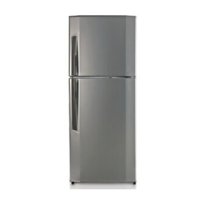
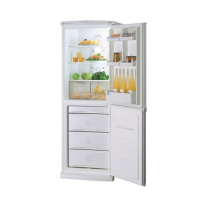
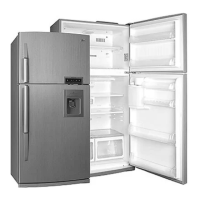
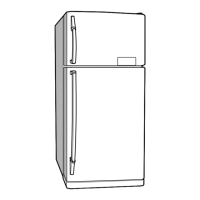
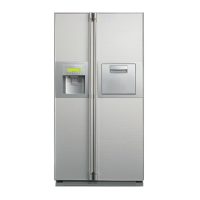
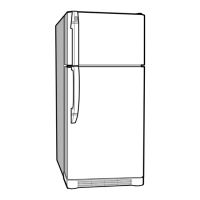
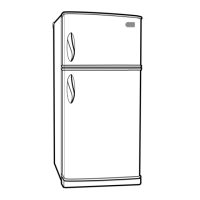
This document is an owner's manual for an LG Refrigerator Freezer, specifically models GR-V252SL and GR-V2522SL. It provides comprehensive information on the installation, operation, maintenance, and troubleshooting of the appliance.
Function Description:
The LG Refrigerator Freezer is designed to store fresh and frozen foods, maintaining optimal temperatures for preservation. It features separate compartments for refrigeration and freezing, with independent temperature controls to suit various food storage needs. The appliance incorporates advanced technology to ensure efficient performance and reliability, including an automatic defrosting system and an optional deodorizer to maintain a fresh interior environment. An optional Vitamin Kit is also available to help keep fruits and vegetables fresh for longer periods by preventing oxidation.
Important Technical Specifications:
- Refrigerant: The refrigerator uses R-134a as a refrigerant, which is a fluorinated greenhouse gas.
- Blowing Agent: The blowing agent used is 100% HFC-134a.
- Total GWP (kg CO₂-eq): The total Global Warming Potential is 1300.
- Electrical Connection: The appliance requires a dedicated electrical circuit to prevent overloading and potential damage. It must be properly grounded to avoid electric shock.
- Cooling Capacity: Designed for efficient cooling, ensuring food preservation.
- Temperature Control: Features a temperature control knob for the refrigerator compartment and a temperature control dial for the freezer compartment, allowing users to adjust settings based on ambient conditions and food load.
Usage Features:
- Starting: After installation, allow 2-3 hours for the refrigerator to stabilize at normal operating temperatures before filling it with food. If operation is interrupted, allow a 5-minute delay before restarting.
- Temperature Control:
- Refrigerator Compartment: The control knob adjusts temperatures from MIN (warmer) to MAX (colder). The default setting is 'MID'.
- Freezer Compartment: The control dial ranges from 1 (Freezer Min) to 7 (Freezer Max), with 2 or 3 being the normal default setting. Higher settings (e.g., 6-7) make the freezer colder but can make the refrigerator compartment warmer due to reduced cold air flow. In cold weather, it's recommended to turn the freezer control to 6-7 for colder freezer temperatures. In hot weather or with a large food load in the refrigerator, turn the refrigerator TEMPCONTROL to 2-3 to direct more cold air into the refrigerator compartment.
- Ice Making:
- General Type: Fill the ice tray with water and place it in the ice cube box in the freezer. To remove cubes, hold the tray at its ends and twist gently.
- Twisting Ice Serve Type (Optional): Fill the ice tray with water and insert it into its position. To remove cubes, hold the knob of the tray and turn gently; the cubes will drop into the ice cube box. The twisting ice serve unit can be removed for larger freezer compartment space.
- Fresh Zone: This compartment is designed to keep fresh meat fresher by minimizing the influence of warmer air when the door is opened.
- Defrosting: The appliance features automatic defrosting. Defrosted water flows to an evaporating tray at the lower back of the refrigerator and evaporates automatically.
- Deodorizer (Optional): Uses a catalyst to deodorize unpleasant food odors in the fresh food compartment. Avoid pricking the deodorizer with sharp objects. For strong-smelling foods, wrap them or store them in lidded containers to prevent odor transfer.
- Vitamin Kit (Optional): Contains an anti-oxidant substance to prevent oxidation, helping fruits and vegetables stay fresh longer. This part is not edible, and frequent opening and closing of the door can reduce its lifetime.
- Food Storage Suggestions:
- Store fresh food in the refrigerator compartment, ensuring it's cooled before storing to prevent spoilage and higher electric bills.
- Cover food with vinyl wrap or store in containers with lids to prevent moisture evaporation and maintain taste/nutrients.
- Do not block air vents to ensure smooth circulation of chilled air.
- Avoid frequent door opening to prevent temperature rise.
- Load food at least 15mm from the freezer wall for good air circulation.
- Do not store bottles in the freezer compartment as they may break.
- Do not refreeze thawed food.
- Place frozen food like ice cream on the freezer shelf, not in the door rack, for long-term storage.
- Avoid placing moist food deep inside refrigerator shelves to prevent freezing upon direct contact with chilled air.
- Clean vegetables and fruits before refrigeration and wipe packed food clean.
- Store fresh eggs upright in their storage rack for longer freshness.
Maintenance Features:
- Cleaning:
- Exterior: Wipe with a mild soap solution and a damp cloth, then dry.
- Interior: Clean with a mild soap solution or a baking soda solution. For hard-to-reach areas, use a sponge or soft cloth.
- Door Gaskets: Clean with a mild detergent and a damp cloth.
- Removable Parts: Wash shelves, drawers, and other removable parts with a mild detergent solution, rinse, and dry.
- Warning: Always unplug the refrigerator before cleaning. Do not use abrasive cleaners, sharp objects, or flammable/toxic cleaning liquids.
- Lamp Replacement:
- Unplug the power cord.
- Remove refrigerator shelves.
- Remove the lamp cover by inserting a slotted driver under the hole and pulling it outwards.
- Turn the lamp counter-clockwise.
- Assemble in reverse order of disassembly. The replacement bulb must be the same specification as the original.
- Vacation Time: For short vacations, leave the refrigerator operating. For long vacations, remove all food, disconnect the power cord, clean the interior thoroughly, and leave the door open to prevent odor formation.
- Moving the Refrigerator: If moving the refrigerator, remove all food, empty the freezer of ice, and secure all loose parts. The appliance should be moved by two people.
- Power Failure: In case of a power failure, minimize door openings to maintain internal temperature.
- Dry Ice Warning: When using dry ice, ensure adequate ventilation. Dry ice can cause oxygen displacement, leading to dizziness, light-headedness, unconsciousness, and death by suffocation. Do not open a window and do not breathe the vapors.
- Anti-Condensation Pipe: The outside wall of the refrigerator cabinet may sometimes get warm, especially after installation. This is due to the anti-condensation pipe, which prevents condensation on the outer cabinet wall.
- Disposal of Old Appliance: The appliance contains refrigerant and insulating materials that must be disposed of responsibly. It should be sent to a collection center for waste material and recycled. Contact your local agency for disposal information.
Troubleshooting:
The manual includes a section for "Before Calling for Service" to help users identify and resolve common issues:
- Refrigerator Not Operating: Check if the house fuse is blown, the circuit breaker is tripped, or the power cord is properly plugged in.
- Refrigerator or Freezer Compartment Temperature Too Warm: Check if the temperature control is set correctly, if the appliance is too close to a wall or heat source, if the door is frequently opened or left open for too long, or if too much food is stored.
- Abnormal Noise: Check if the refrigerator is installed on a weak or uneven surface, if leveling screws need adjustment, or if unnecessary objects are placed behind the refrigerator.
- Refrigerator Has Odor: Check if foods with strong odors are tightly covered or wrapped, and if the interior needs cleaning.
- Dew Forms on the Cabinet Surface: This is not unusual during periods of high humidity. Also, check if the door may have been left ajar.

 Need help?
 General

 To Next Page