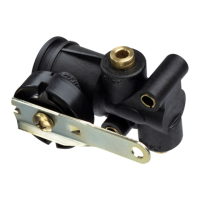
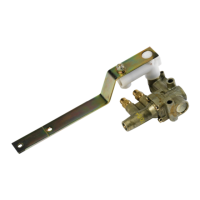
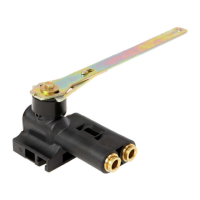
3
6. TROUBLE SHOOTING GUIDE
7. HCV TEST PROCEDURE
7.1
With a minimum of 90 psi at the supply port, rotate the
lever up (as indicated on the side of the valve) 30
°
to
45
°
. Air should begin to flow into the air springs within
seconds.
7.2
Rotate the lever to the neutral position. Air flow should
stop.
7.3
Rotate the lever down 30
°
to 45
°
. Air should begin to
exhaust from the air springs within seconds.
PROBLEM POSSIBLE CAUSE
Air springs flat
Obstruction in air line
Insufficient air pressure to suspension
Defective Pressure Protection Valve
Defective HCV-see test procedure
Air leak in system
Air Springs raise to full height but do not exhaust
Obstructed air line
Defective HCV-see test procedure
Air springs deflate when parked
Leak in air system-check with soapy water
Defective HCV-see test procedure
Suspension will not maintain proper height
Check dump port for proper venting
Obstructed air line
Defective HCV-see test procedure
Hard ride
Ride height out of adjustment-readjust per vehicle
service manual
Ride height unequal side to side for (2) valve
system
Check dump port for proper venting
Reset ride height on each side
7.4
Rotate the lever to the neutral position. Air flow should
stop.
7.5
If the valve fails to flow air or shut off as specified, re-
place with a new one.
8. REASONS TO REPLACE THE HCV
8.1
HCV did not pass the test procedure
Air leaks from the HCV
HCV is damaged
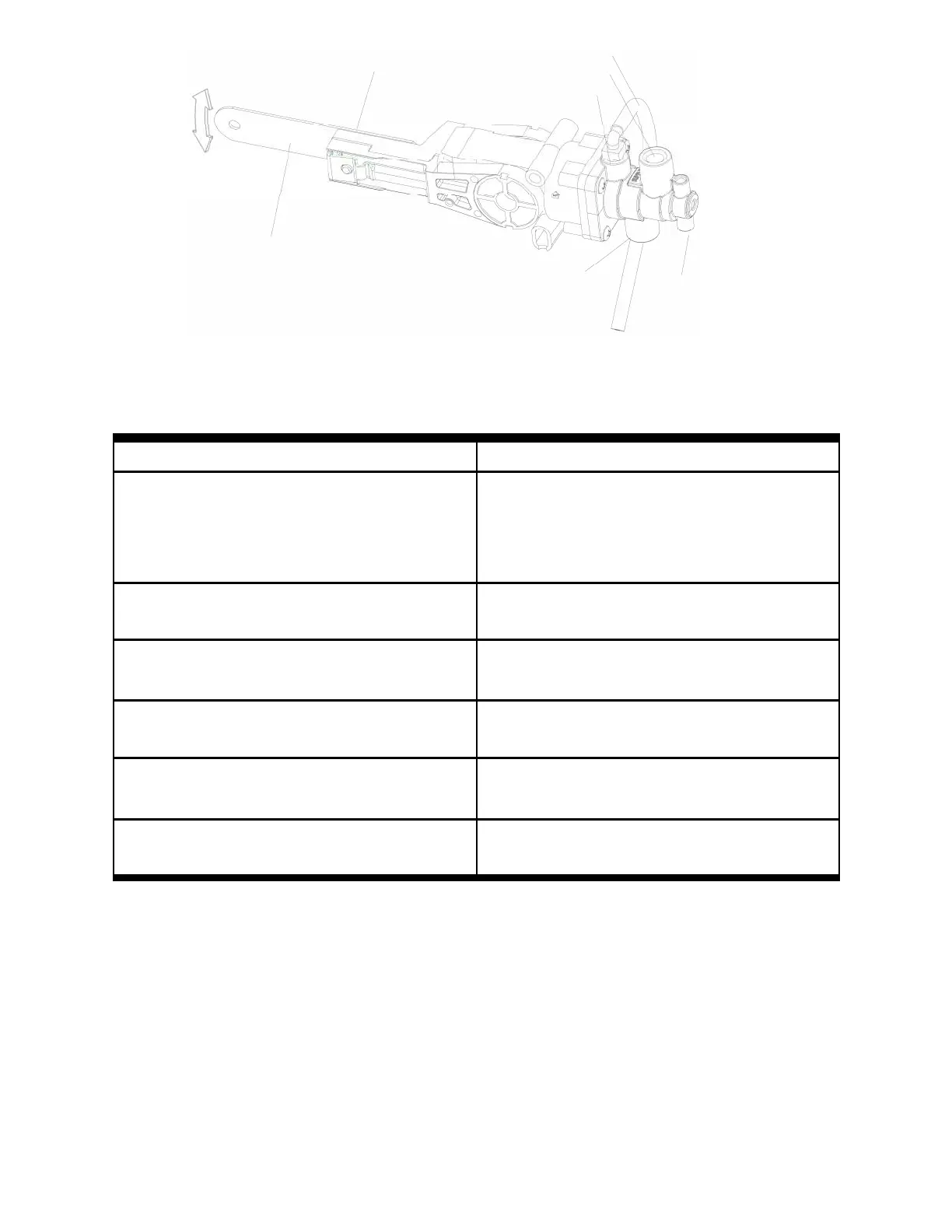
Figure 1.
5.6
Tighten all nuts to 60 to 80 in-lbs.
5.7
Remove centering dowel.
BOLT TORQUE
60 - 80 IN-LBS
LEVER
DUMP PILOT
PORT
DUMP PILOT PORT VENT
AIR SUPPLY
TO AIR
SPRINGS
EXHAUST
PORT
FILL
EXHAUST


 To Next Page
 Loading...