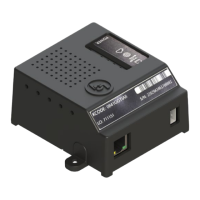
The Sway Command 1.5 by Trailair (Jayco)(AU) is a self-contained caravan stability control module designed to enhance towing safety by mitigating undesirable caravan movement. This system utilizes external sensors to detect excessive caravan sway and then adaptively applies a variable braking voltage to the left and right electric caravan brakes. This action helps to dampen the sway and slow the caravan down, providing a more stable and controlled towing experience.
Function Description:
The core function of the Sway Command system is to actively monitor and correct caravan sway. When the integrated sensors detect movement that exceeds a predetermined threshold, the system automatically activates. It then applies precise, proportional voltage to the caravan's electric brakes. This intelligent braking action is designed to counteract the sway, bringing the caravan back into a stable state. The system operates autonomously, meaning it continuously monitors and responds to sway events without direct input from the tow vehicle operator once installed and powered.
A key aspect of its operation is the communication with the tow vehicle operator through a light pod. When excessive sway is detected and the system activates the brakes, the light pod will blink red. This visual cue alerts the driver that the Sway Command system is actively working to stabilize the caravan. The driver may also feel the caravan brakes activate during these events, further confirming the system's operation. The braking action continues until the sway is effectively dampened, at which point the system returns to a monitoring state.
The Sway Command controller is designed to be water-resistant, allowing it to withstand typical outdoor conditions encountered during caravan travel. However, it is important to note that it is not waterproof and should not be submerged or subjected to high-pressure water sprays, as this could lead to damage and void the warranty.
Usage Features:
The Sway Command system is designed for straightforward integration into a caravan's existing electrical and braking infrastructure. Installation involves mounting the controller module and a light pod, and connecting the necessary wiring harnesses.
- Automatic Activation: Once properly installed and powered, the system automatically engages to monitor for sway. There is no manual activation required by the driver during travel.
- Visual Feedback (Light Pod): The light pod serves as a crucial interface for the tow vehicle operator.
- Solid Green: Indicates that the Sway Command is awake, monitoring for sway, and functioning correctly. A brief flicker off every five seconds confirms its active status.
- Red Blink (1/2 second on, 1/2 second off): Signifies that the Sway Command has detected a sway event and is actively applying the caravan brakes to correct it.
- Other Light Codes: Provide diagnostic information, helping to identify potential issues such as low power, wiring faults (short to 12V, not connected to brakes, short to ground), low voltage, or internal system malfunctions. These codes are essential for troubleshooting.
- Brake Activation Feedback: In addition to the light pod, the driver may physically feel the caravan brakes engage when the system is active, providing tactile confirmation of its operation.
- Compatibility: The system is designed to work with electric caravan brakes and integrates with the caravan's junction box for power connections. It is recommended to use a 20A user-replaceable/sealed fuse for the power connection.
- Mounting Flexibility: The light pod can be mounted in various locations for optimal visibility by the tow vehicle operator, either on the A-frame or the outside front wall of the caravan. The controller module has specific mounting requirements regarding its position, orientation, and levelness to ensure correct operation.
Maintenance Features:
While the Sway Command system is largely self-contained and automatic in its operation, certain aspects of its installation and monitoring contribute to its long-term reliability and performance.
- Wiring Harness Management: All electrical wiring harnesses must be properly loomed and secured. This prevents damage from abrasion, vibration, or environmental exposure, which is critical for maintaining consistent power and signal integrity. Adhering to best shop practices for wiring installation ensures durability.
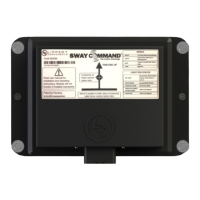
- Controller Protection: The controller is water-resistant but not waterproof. It should be protected from direct high-pressure water sprays and submersion to prevent damage. The pressure equalizer plug hole on the back of the controller should never be drilled into or compromised, as this voids the warranty.
- Diagnostic Light Codes: The light pod's various blinking patterns and colors serve as a built-in diagnostic tool. These codes help identify if the system is powered, performing self-checks, actively monitoring, correcting sway, or experiencing a fault. This feature simplifies troubleshooting by providing immediate feedback on the system's status.
- Troubleshooting Guide: The manual provides a comprehensive table of light codes and corresponding troubleshooting steps. This allows users or technicians to quickly diagnose and address common issues, such as power supply problems, wiring faults, or system malfunctions, by following the recommended actions for each light code.
- Post-Installation Testing: An End-of-Line (EOL) test phase using an OEM-provided Vehicle Simulator Box is part of the installation process. This ensures that the system is operating correctly before the caravan is put into service. During this test, the auxiliary supply is turned on, and the light pod should turn green and blink every five seconds, confirming proper functionality.
- Warning Sticker Placement: After successful testing and confirmation of green light pod operation, a Sway Command warning sticker is placed on the outside of the caravan's A-frame near the light pod. This serves as a visible indicator that the caravan is equipped with the stability control system.
- Regular Checks: While not explicitly detailed as a maintenance task, regularly observing the light pod's status during operation can provide ongoing assurance of the system's health. Any deviation from the expected green light (or red blink during sway) should prompt a review of the troubleshooting guide.
- Sealing Wall Penetrations: When the light pod is mounted on a caravan wall, it is crucial to ensure that all wall penetrations are properly sealed. This prevents water infiltration, which could damage the wiring or the caravan structure itself, maintaining the integrity of the installation.


 To Next Page

 General