Need help?
Do you have a question about the Logik L142CFW17 and is the answer not in the manual?
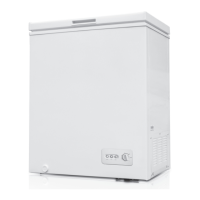
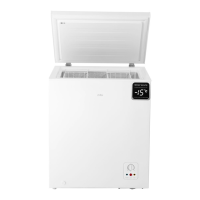
This document is an instruction manual for the LOGIK L142CFW17 Chest Freezer, providing comprehensive guidance on its operation, maintenance, and safety.
The primary function of this appliance is to freeze and store food items, preserving their quality over extended periods. It is designed for indoor household use and similar applications, such as staff kitchen areas in shops, offices, and other working environments; farmhouses; hotels, motels, and other residential environments; bed and breakfast establishments; and catering or similar non-retail applications. The chest freezer features a single compartment for freezing, with a lid that opens upwards for access.
Upon receiving the unit, users should carefully remove all items from the packaging and retain the packaging for future reference or dispose of it according to local regulations. The package includes the main unit, an instruction manual, and an ice scraper. Before installation, it's crucial to select a flat, firm, and well-ventilated location. The unit can be used in a garage or outbuilding, but for optimum energy efficiency, the room temperature should ideally be between 10°C and 43°C. It should be kept away from heat sources like cookers, boilers, radiators, and direct sunlight to prevent increased electrical consumption. During installation, ensure at least 25 mm of free space on both sides and 50 mm at the rear to allow for proper ventilation and full door opening. Before plugging in, verify that the socket is compatible with the plug. After moving the unit, it's essential to wait two hours before turning it on to allow the coolant fluid to settle. Before placing any food inside, the unit should be turned on and allowed to cool for 24 hours to reach the correct temperature. The unit should not be overfilled.
To switch on the unit, first ensure the thermostat control dial is set to position 0. Then, turn the dial clockwise to the desired position. The MID position is recommended for storing already frozen food. For initial freezing or if the unit has been off, it's advisable to set the dial to MAX for fast freezing. The internal temperature is controlled by a thermostat, with MAX providing the coldest setting (approximately -28°C) for fast freezing. After 24 hours of fast freezing, the dial should be returned to the MID position to maintain a normal temperature of -18°C. The appliance's performance can be affected by extreme room temperatures or frequent lid openings. A special fridge/freezer thermometer can be used to verify the internal temperature, which should be -18°C or lower for effective freezing.
Fresh food should be frozen as quickly as possible to retain its goodness. Setting the thermostat to MAX ensures continuous operation and colder temperatures, facilitating faster freezing. Freezing will typically be complete after 24 hours. Users should avoid freezing large quantities of fresh food at one time.
Users may notice unusual noises, which are generally normal. These sounds are caused by the circulation of refrigerant liquid in the cooling system and the compressor motor working. The introduction of CFC-free gases has made these noises more pronounced but does not indicate a fault.
The alarm indicator will light up if the unit's internal temperature rises approximately above -9°C, signaling a potential issue with temperature maintenance.
To prevent bacterial transfer, cooked meats and fish should always be stored above raw meats and fish. Raw items should be placed in a large, covered container at the bottom of the unit to collect juices. Adequate space should be left around food for air circulation. Food should be packed or covered separately to prevent flavor transfer and drying out. Pre-cooked food must be cooled completely before being placed in the unit to maintain internal temperature. To minimize cold air escape, limit the frequency and duration of lid openings.
Use quality food and handle it minimally. Freeze food in small quantities for faster freezing, quicker defrosting, and better portion control. Cooked food should be cooled completely, and ideally chilled, before freezing. Consider how the food will be cooked later when preparing it for freezing. Avoid freezing food in metal containers if it will be microwaved directly from the freezer. Use specialized freezer bags, film, polythene bags, plastic containers, or heavy-duty aluminum foil. Double-wrap food if in doubt, and avoid aluminum foil for acidic foods. Do not use thin cling film, glass, or uncleaned used food containers. Remove as much air as possible from packaging; a vacuum pump can be used for this. Leave a small air space when freezing liquids to allow for expansion. For efficient space usage, liquids or solids with liquids (e.g., stew) can be frozen in square blocks using polythene bags inside square-sided containers, then removed and sealed. Label all frozen foods with contents and date using special tapes, labels, and pens to ensure proper organization and to avoid exceeding storage times, which could lead to food poisoning. Refer to food packaging for recommended storage times.
Frozen food should be defrosted at room temperature, but be aware that warm temperatures encourage bacterial growth. Drain and discard any liquid lost during defrosting. Ensure there are no ice crystals in the food, especially meat, before cooking, as this indicates incomplete defrosting. Cook food as soon as possible after defrosting. Microwaves and ovens with defrost settings can be used, but only if the food will be cooked immediately afterward to prevent bacterial buildup.
Frost may accumulate in the freezer compartment over time. It is recommended to defrost when the frost layer reaches 10 mm. Use the provided ice scraper to remove frost; avoid metal or sharp instruments and electrical appliances for defrosting. To defrost, remove all food (ideally transferring it to another freezer or wrapping it in newspaper/towels to keep it cool), turn off and unplug the unit, and leave the lid open. Place a container under the drain hole, remove the drain cap, and unscrew the drain plug to collect melted frost. Placing a bowl of hot water inside the freezer with the lid closed can speed up the process. Once all water has drained, replace the drain plug and cap. After defrosting, clean the interior and exterior of the unit. Close the lid, switch on the freezer, and set the thermostat to MAX for an hour before placing food back inside. After 4 hours, return the thermostat to MID.
The interior of the unit should be wiped with a weak solution of bicarbonate soda, rinsed with warm water using a sponge or cloth, and then completely dried. The exterior can be cleaned with a damp cloth and standard furniture polish, ensuring the lid is closed to prevent polish from getting on the magnetic door seal or inside. The condenser grille at the back of the freezer (or the sides for hidden condenser models) can be vacuumed with a soft brush attachment. Do not use harsh cleaners, scouring pads, or solvents on any part of the freezer.
When moving the unit, hold it around its sides or base. Never lift it by the edges of the top surface.
Servicing should only be performed by an authorized engineer using genuine spare parts. Users should not attempt repairs themselves, as this can cause injury or malfunction. Contact a qualified technician for any issues.
If the unit will not be used for an extended period, disconnect it from the mains supply, empty all food, clean the unit, and leave the lid ajar to prevent unpleasant smells and mold development.
Old units should be disposed of in an environmentally friendly manner to recover valuable raw materials. The refrigerant and insulation materials require special disposal procedures. Ensure that no pipes on the back of the unit are damaged before disposal. For information on disposing of old units and packaging, contact your local council office. When disposing of an old unit, break off any locks or latches and remove the doors as a safeguard to prevent children from being trapped inside.
 General
| Type | Chest Freezer |
|---|---|
| Energy Rating | A+ |
| Energy efficiency class | A+ |
| Noise level | 42 dB |
| Colour | White |
| Weight | 33 kg |
| Freezer gross capacity | 142 liters |
| Freezer net capacity | 142 liters |
| Capacity | 142 litres |

 To Next Page