EasyManua.ls Logo

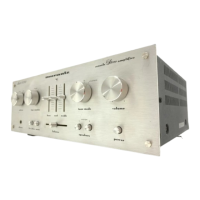
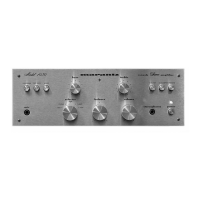
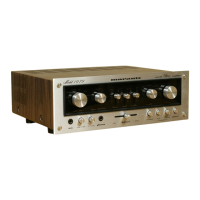
Marantz 1090 - 1. INTRODUCTION; 2. PRE-AMPLIFIER; 3. MAIN AMPLIFIER; 4. TROUBLESHOOTING ANALYSIS

Marantz 1090
32 pages
Print Icon
To Next Page IconTo Next Page
To Previous Page IconTo Previous Page
Loading...
1.
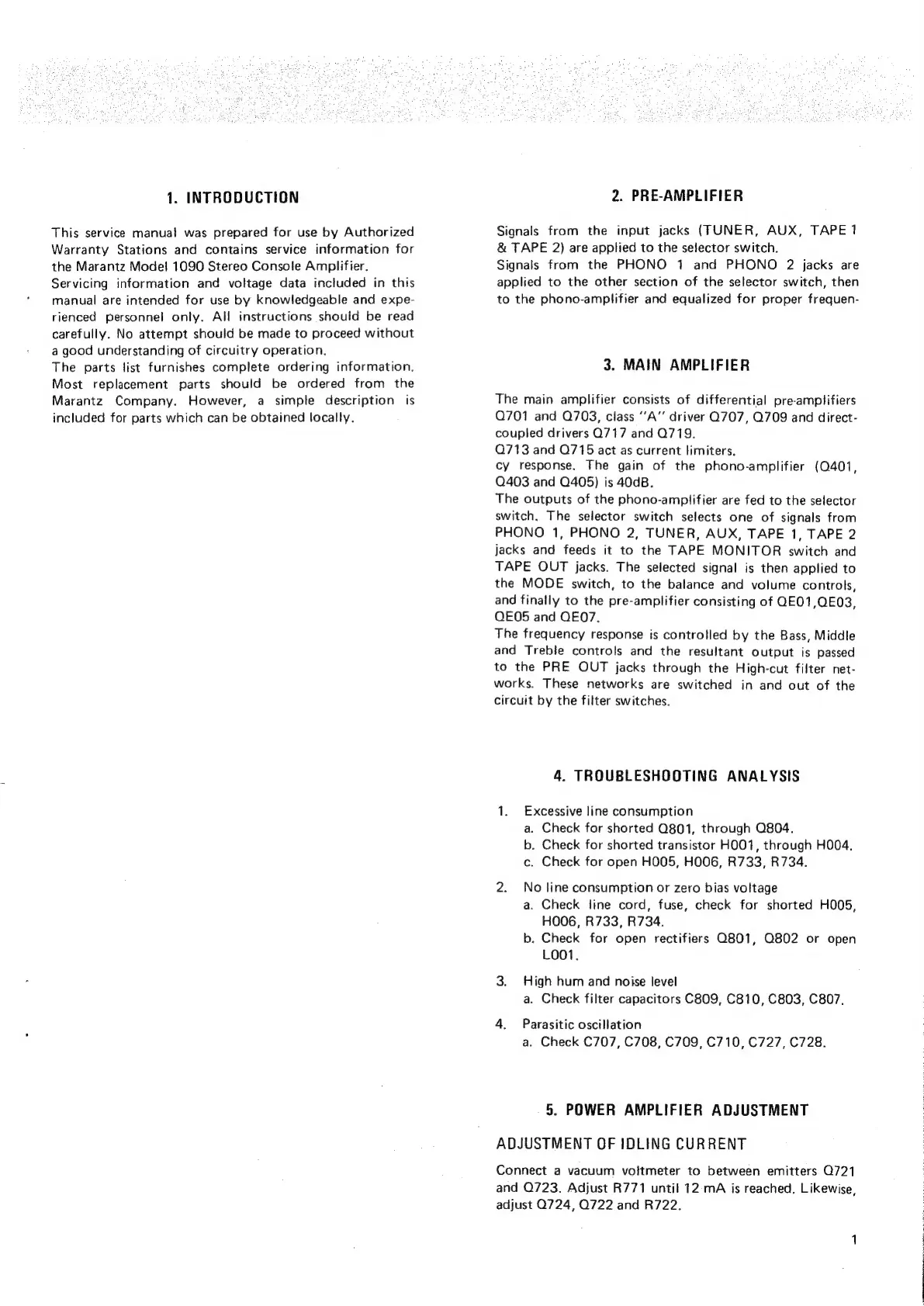
INTRODUCTION
This
service
manual
was
prepared
for
use
by
Authorized
Warranty
Stations
and
contains
service
information
for
the
Marantz
Model
1090
Stereo
Console
Amplifier.
Servicing
information
and
voltage
data
included
in
this
manual
are
intended
for
use
by
knowledgeable
and
expe-
rienced
personnel
only.
All
instructions
shouid
be
read
carefully.
No
attempt
should
be
made
to
proceed
without
a
good
understanding
of
circuitry
operation.
The
parts
list
furnishes
complete
ordering
information.
Most
replacement
parts
should
be
ordered
from
the
Marantz
Company.
However,
a
simple
description
is
included
for
parts
which
can
be
obtained
locally.
2.
PRE-AMPLIFIER
Signals
from
the
input
jacks
(TUNER,
AUX,
TAPE
1
&
TAPE
2)
are
applied
to
the
selector
switch.
Signals
from
the
PHONO
71
and
PHONO
2
jacks
are
applied
to
the
other
section
of
the
selector
switch,
then
to
the
phono-amplifier
and
equalized
for
proper
frequen-
3.
MAIN
AMPLIFIER
The
main
amplifier
consists
of
differential
pre-amplifiers
Q701
and
Q703,
class
‘A’
driver
Q707,
Q709
and
direct-
coupled
drivers
Q717
and
Q719.
Q713
and
O715
act
as
current
limiters.
cy
response.
The
gain
of
the
phono-amplifier
(Q401,
Q403
and
Q405)
is
40dB.
The
outputs
of
the
phono-amplifier
are
fed
to
the
selector
switch.
The
selector
switch
selects
one
of
signals
from
PHONO
1,
PHONO
2,
TUNER,
AUX,
TAPE
1,
TAPE
2
jacks
and
feeds
it
to
the
TAPE
MONITOR
switch
and
TAPE
OUT
jacks.
The
selected
signal
is
then
applied
to
the
MODE
switch,
to
the
balance
and
volume
controls,
and
finally
to
the
pre-amplifier
consisting
of
QEO1,QE03,
QE05
and
QE07.
The
frequency
response
is
controlled
by
the
Bass,
Middle
and
Treble
controls
and
the
resultant
output
is
passed
to
the
PRE
OUT
jacks
through
the
High-cut
filter
net-
works.
These
networks
are
switched
in
and
out
of
the
circuit
by
the
filter
switches.
4.
TROUBLESHOOTING
ANALYSIS
1.
Excessive
line
consumption
a.
Check
for
shorted
0801,
through
0804.
b.
Check
for
shorted
transistor
HOO1,
through
HO04.
c.
Check
for
open
HOO5,
HOO6,
R733,
R734.
2.
No
line
consumption
or
zero
bias
voltage
a.
Check
line
cord,
fuse,
check
for
shorted
H005,
HO06,
R733,
R734.
b.
Check
for
open
rectifiers
Q801,
Q802
or
open
L001.
3.
High
hum
and
noise
level
a.
Check
filter
capacitors
C809,
C810,
C803,
C807.
4.
Parasitic
oscillation
a.
Check
C707, C708,
C709,
C710,
C727,
C728.
5.
POWER
AMPLIFIER
ADJUSTMENT
ADJUSTMENT
OF IDLING
CURRENT
Connect
a
vacuum
voltmeter
to
between
emitters
Q721
and
0723.
Adjust
R771
until
12
mA
is
reached,
Likewise,
adjust
Q724,
Q722
and
R722.

Related product manuals