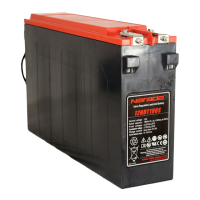
6V&12V Serials
17 18
| Corrective actions
Immediate
a) If connection resistance readings are more than 20% above a ceiling value established by the
Narada, or if loose connections are noted, retorqu. If terminal corrosion is noted, clean the corrosion
and check the resistance of the connection. If retested resistance value remains unacceptable, the
connection should be disassembled, cleaned, reassembled, and retested.
b) If any electrolyte is found, determine source and institute corrective action. Clean excessive dirt
on cells or connectors when noted. Use extreme care when cleaning battery systems to prevent
ground faults.
c) When the oat voltage, measured at the battery terminals, is outside of its recommended operating
range, the charger voltage should be adjusted. The out-of-range condition may have been caused
by a defective charger and may need to be investigated.
Routine
The following items indicate conditions that, if allowed to persist for extended periods, can reduce
battery life. They do not necessarily indicate a loss of capacity. Therefore, the corrective action
may be accomplished before the next quarterly inspection, provided that the battery condition is
monitored at regular intervals:
a) If any cell/unit voltage is below its respective critical minimum voltage as specied by the
manufacturer, corrective action should be given. Do not charge at rates above the recommendation
for the specic ambient temperature involved.
b) When cell temperatures deviate more than 3 °C from each other during a single inspection,
determine the cause and correct. If sufcient correction cannot be made, contact the Narada for
allowances that must be taken.
c) Other abnormalities.
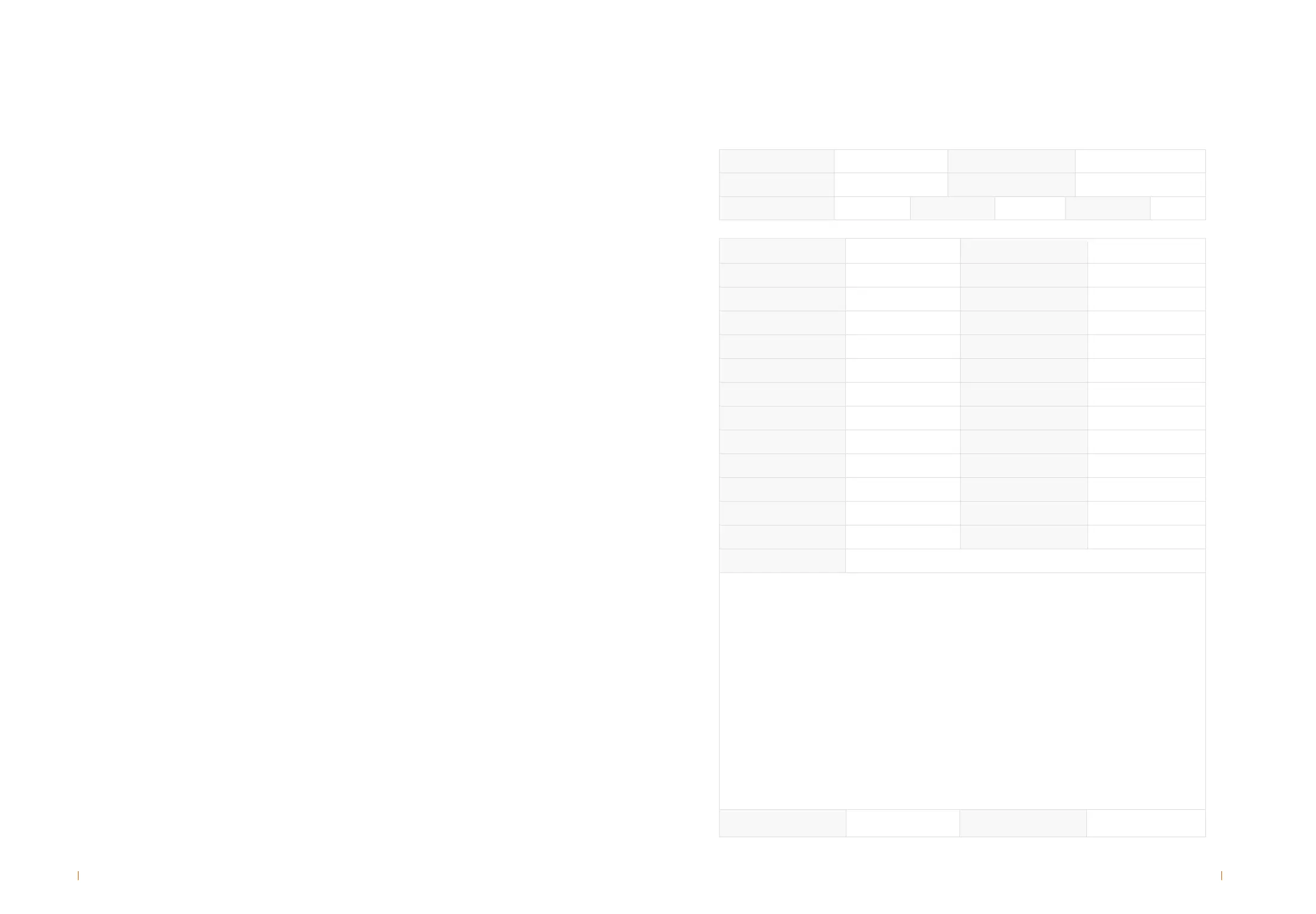
Annex 1
VRLA Battery Regular Maintenance Record
No.
1
2
3
4
5
6
7
8
9
10
11
12
Check by sight
Current (A)
Voltage(V)
Type
Status
Total Voltage(V)
Place
Number of battery
Temperature
Voltage(V)
Result:
Tester Date
No.
13
14
15
16
17
18
19
20
21
22
23
24



 To Next Page