This document provides firmware update instructions for the Nextbase 122HD Dash Cam, detailing a step-by-step process for both Windows and Mac users. The primary function of this guide is to facilitate the update of the dash cam's internal software, ensuring optimal performance and access to the latest features.
Function Description:
The Nextbase 122HD Dash Cam is a device designed to record video footage while driving, serving as an important tool for road safety and incident recording. This manual specifically addresses the process of updating its firmware, which is crucial for maintaining the device's functionality, improving stability, and potentially introducing new features or bug fixes. The update process involves downloading a firmware file, transferring it to an SD card, and then allowing the dash cam to install it automatically.
Important Technical Specifications (Implied):
- Model: Nextbase 122HD Dash Cam.
- Firmware File Format:
.bin (e.g., FW122HDA.bin, FWXXXX.bin). This indicates a binary file format commonly used for firmware updates.
- Storage Medium: SD Card. The dash cam utilizes an SD card for storing recorded footage and for facilitating firmware updates. The process requires inserting the SD card into a computer via an SD card reader.
- Connectivity: USB cable (supplied). This cable is used to connect the dash cam to a PC for initial setup or, as implied, for certain update procedures if not using an SD card reader. The guide explicitly states that the update involves copying the file to the SD card via the supplied USB cable, though the detailed steps later focus on using an SD card reader.
- Operating Systems: Compatible with both Windows and Mac operating systems for the firmware download and transfer process.
- Power Source: The dash cam operates on battery power and requires connection to a PC for the update process, where it will display "PC Connection" and "Power On" options.
- Display: The dash cam features a display for navigating menus (Setup Menu, System Info) and confirming actions.
Usage Features:
- Firmware Update Process: The core usage feature described is the ability to update the dash cam's firmware. This is a user-initiated process that requires interaction with a computer and the dash cam's menu system.
- Menu Navigation: Users interact with the dash cam's "Setup Menu" by pressing the "Menu" button twice when the camera is not recording. This menu allows access to options like "Format SD Card" and "System Info."
- SD Card Management: The dash cam relies heavily on the SD card for its operation. Users need to be able to format the SD card through the dash cam's menu and physically remove/insert it for the update process.
- PC Connection Mode: When connected to a PC, the dash cam enters a "PC Connection" mode, offering options like "Access Files" and "Power On." The "Power On" option is crucial for initiating the firmware update after the file has been transferred.
- System Information Display: The "System Info" section within the dash cam's menu allows users to view important details such as the Model, Firmware version, and Battery Status, which is useful for verifying a successful update.
- Automatic Update Initiation: Once the firmware file is correctly placed on the SD card and the dash cam is powered on while connected to a PC, the update process is designed to begin automatically.
Maintenance Features:
- Firmware Updates: The primary maintenance feature is the ability to update the firmware. Regular firmware updates are essential for:
- Bug Fixes: Addressing any software glitches or errors that may affect performance.
- Performance Improvements: Enhancing the overall speed, stability, and responsiveness of the dash cam.
- New Features: Introducing new functionalities or improving existing ones.
- Compatibility: Ensuring compatibility with new SD card types or other accessories.
- SD Card Formatting: The "Format SD Card" option in the dash cam's menu is a critical maintenance feature. Regular formatting helps to:
- Maintain SD Card Health: Prevents data corruption and ensures optimal recording performance.
- Clear Old Footage: Frees up space on the SD card for new recordings.
- Prepare for Updates: Ensures the SD card is clean and ready to receive the firmware file without conflicts.
- File Transfer and Management: Users are guided on how to download the firmware file, copy it to the SD card, and ensure it is not renamed. This highlights the importance of correct file handling for successful maintenance.
- Troubleshooting (Implied): The instruction to ensure the
.bin file is NOT renamed (e.g., FW122HDA(1).bin) suggests a common user error that can lead to update failure, implying a level of troubleshooting guidance within the update process itself.
- Verification: The final step of checking the "System Info" to confirm the new firmware version serves as a crucial verification step, ensuring that the maintenance task has been successfully completed.
In summary, the Nextbase 122HD Dash Cam is a user-friendly device that allows for self-maintenance through firmware updates. The process, while requiring several steps involving both a computer and the dash cam itself, is clearly laid out to ensure users can keep their device up-to-date and functioning optimally. The reliance on standard file transfer methods and clear menu navigation makes the maintenance accessible to a broad range of users.

 Need help?
 General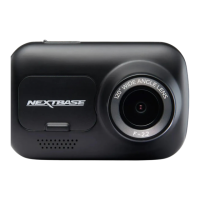

 To Next Page