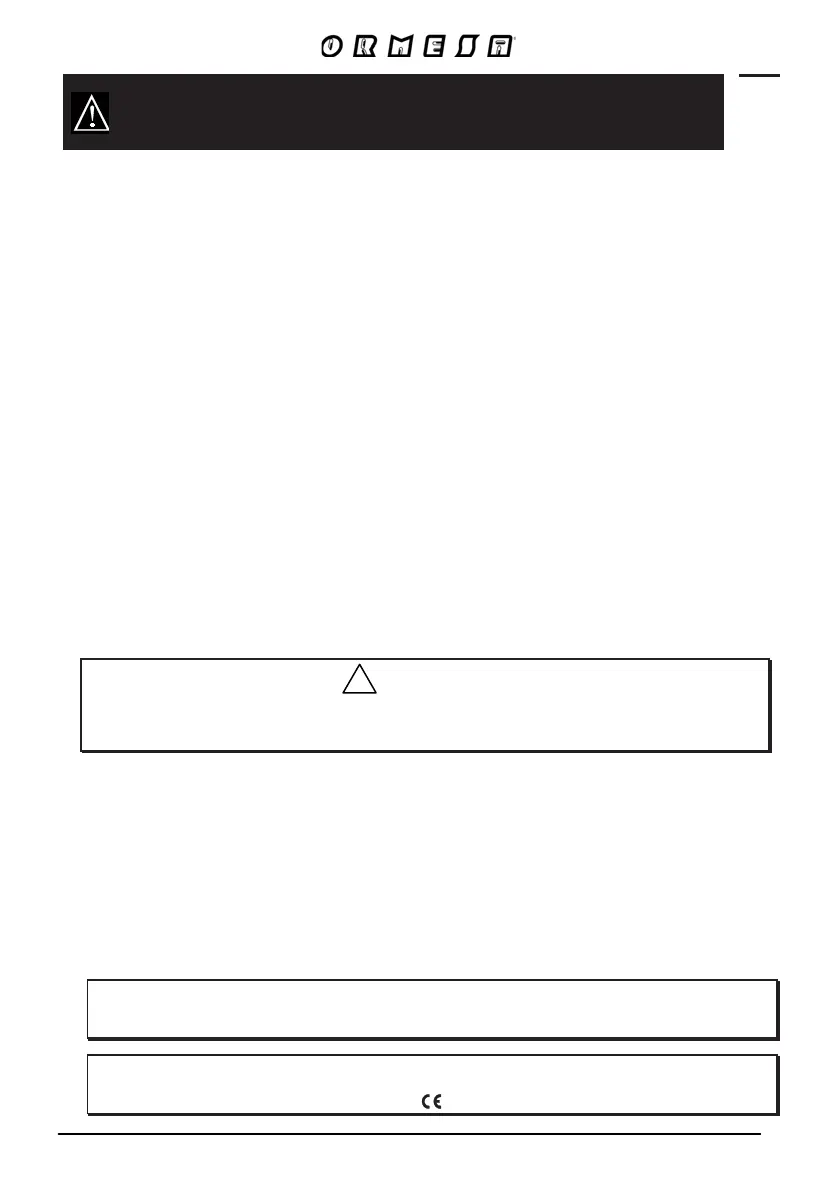
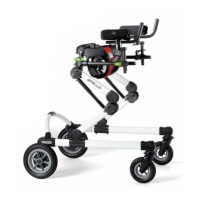
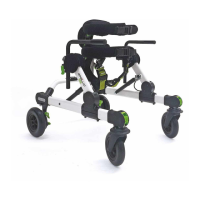
HOW TO USE THE BUG 4-WHEEL STROLLER WITH 869
BASE FOR TRANSPORT ON A MOVING VEHICLE (private
cars, buses, etc.)
THE BUG 4-WHEEL STROLLER (seat unit + 869 base) conforms to the ISO 7176-19 and
ANSI RESNA WC/19 standard, which defines the safety requirements for transport, facing
in the direction of travel, on moving vehicles (private cars, buses, etc.).
In order to use it safely, carefully read the warnings and follow the instructions given on
pages from 14 to 17.
THE PUSHCHAIR-SEATED OCCUPANT MUST FACE THE FRONT OF THE VEHICLE (see
fig. 4, page 1 ). According to the ISO 7176-19 point 6.3.4, compliance with ISO 7176-19 does
not preclude using the pushchair facing rearward in large accessible vehicles equipped and
approved with rear-facing wheelchair passenger stations
The child should weigh at least 22 kg (48.5 lbs) because the CRASH TEST provided by the
ISO and ANSI/RESNA standards only refers to wheelchairs/pushchairs for users whose weight
is 22 kilos or more
THE VEHICLE MUST BE APPROVED FOR TRANSPORTING ORTHOPAEDIC
WHEELCHAIRS/STROLLERS IN CONFORMITY WITH STANDARD ISO 7176-19 (see fig.
4, page 1 )
THE CHILD MUST WEAR BOTH A LAP BELT AND A DIAGONAL SHOULDER BELT ISO
7176-19- OR ISO 10542-APPROVED (i.e., belts with a label of conformity to these ISO
standards). THE USE OF A LAP BELT BY ITSELF IS NOT RECOMMENDED. Postural
belts, such as models 828, 853, 894, 903 and 906 are not type-approved for use as
restraint systems and can only be used in addition
THE STROLLER MUST BE ANCHORED TO THE MOTOR VEHICLE WITH THE BACKREST
AND THE LEGREST IN THE UPRIGHT POSITION by: 1) a four-point strap-type tie down
system that complies with ISO 10542-2, supplied by the vehicle and 2) our accessory 891
- set of 4 tie-down hooks (see fig. 1 and 2, page 1!; fig. 3, page 1" and fig. 4, page 1 )
! ATTENTION!
ORMESA RECOMMENDS THE USE OF A COMPLETE ISO 10542-2-COMPLIANT
“WTORS” SYSTEM, which consists of restraint systems for both the wheelchair and its
occupant
whenever the child is transferred on a seat of the vehicle, the unoccupied pushchair
should be stored in a cargo area or secured in the vehicle during travel
in order to preserve their effectiveness, belt restraints should not be held away from the
body by wheelchair components or parts, such as the wheelchair armrests or wheels (see fig
5 and 6, page1 )
shoulder-belt restraints should fit over the shoulders (see fig. 5, page #!
belt restraints should be adjusted as tightly as possible, consistent with user comfort, and
belt webbing should not be twisted when in use
in order to reduce the potential of injury to vehicle occupants, during the transport the tray and
all accessories should be removed and secured separately in the vehicle
THE STROLLER MUST BE INSPECTED BY THE MANUFACTURER O
R ITS AUTHORIZED
RETAILER OR DISTRIBUTOR BEFORE REUSE FOLLOWING INVOLVEMENT IN ANY TYPE
OF VEHICLE COLLISION
ANY ALTERATION OR SUBSTITUTION OF THE 891 TIEDOWN HOOKS OR STROLLER
PARTS OR COMPONENTS, WITHOUT THE WRITTEN AUTHORIZATION OF ORMESA
SRL, IS FORBIDDEN AND WILL VOID THE MARK AND THE WARRANTY


 To Next Page