32 33
Important additional information
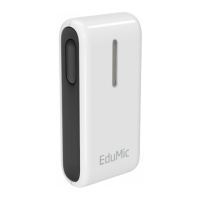
The ConnectLine wireless Microphone con-
tains a radio transmitter using a frequency
hopping technology working in the ISM-
band at 2.4 GHz.
The peak conducted output power of the
transmitter is less than 6 dBm and the
antenna is a small PCB antenna with a
directional gain of less than 2 dBi (dB over
an isotropic or omni-directional antenna).
The emission power from the ConnectLine
Microphone is below international emission
limits for Human Exposure. For comparison,
the radiation of the ConnectLine Micro-
phone is less than unintended electromag-
netic radiation from for example hair dry-
ers, electric shavers etc. The ConnectLine
Microphone complies with international
standards concerning Electromagnetic
Compatibility.
USA and Canada
Due to the limited size available on the
device, many of the relevant approval
markings are found in this document.
This instrument is certified under:
FCC ID: U28MIC110
IC: 1350B-MIC110
The device complies with Part 15 of the FCC
rules and RSS-210 of Industry Canada.
Operation is subject to the following two
conditions:
This device may not cause harmful interfer-
ence. This device must accept any interfer-
ence received, including interference that
may cause undesired operation.
Note: This equipment has been tested and
found to comply with the limits for a Class
B digital device, pursuant to Part 15 of the
FCC Rules. These limits are designed to pro-
vide reasonable protection against harmful
interference in a residential installation.
This equipment generates, uses and can
radiate radio frequency energy and, if not
installed and used in accordance with the
instructions, may cause harmful interfer-
ence to radio communications. However,
there is no guarantee that interference will
not occur in a particular installation.
If this equipment does cause harmful in-
terference to radio or television reception,
which can be determined by turning the
equipment off and on, the user is encour-
aged to try to correct the interference by
one or more of the following measures:
• Reorient or relocate the receiving
antenna.
• Increase the separation between the
equipment and receiver.
• Connect the equipment into an outlet on
a circuit different from that to which the
receiver is connected.
• Consult the dealer or an experienced
radio/TV technician for help.
About Startup Handling Warnings More info


 To Next Page