EasyManua.ls Logo

Panasonic CS-RZ25XKRW - User Manual

Panasonic CS-RZ25XKRW
20 pages
Print Icon
To Next Page IconTo Next Page
Loading...
English
Operating Instructions
Air Conditioner
Model No.
Indoor Unit Outdoor Unit
Single Split
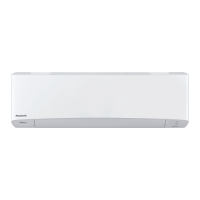
CS-RZ25XKRW
CS-RZ35XKRW
CS-RZ42XKRW
CS-RZ50XKRW
CU-RZ25XKR
CU-RZ35XKR
CU-RZ42XKR
CU-RZ50XKR
* Outdoor Unit
Multi Split
CU-2Z52VBR
CU-3Z54VBR
CU-4Z71VBR
CU-4Z80VBR
CU-5Z100VBR
Operating Instructions
Air Conditioner
Before operating the unit, please read these operating
instructions thoroughly and keep them for future reference.
Before installation, the installer should:
Read the Installation Instructions, then request the customer
keep them for future reference.
Remove the remote control packed with the indoor unit.
* Kindly consult authorised dealer for connectivity validity.
ACXF55-31330
Question and Answer IconNeed help?

Do you have a question about the Panasonic CS-RZ25XKRW and is the answer not in the manual?

Summary

Quick Guide to Panasonic Air Conditioner

Inserting Remote Control Batteries

Procedure for inserting batteries into the remote control.

Setting the Clock Time

Instructions for setting the current time on the remote control.

Basic Operation of Your Air Conditioner

Starting and Stopping Operation

How to turn the air conditioner on and off using the remote control.

Selecting the Operation Mode

Choosing between AUTO, FAN, DRY, and COOL modes.

Adjusting the Temperature Setting

Setting the desired temperature using the remote control buttons.

Safety Precautions for Air Conditioner Use

Indoor and Outdoor Unit Safety Guidelines

Essential safety guidelines for the indoor and outdoor components of the air conditioner.

Remote Control Handling Safety

Safety measures related to the handling and use of the remote control.

Power Supply Connection Safety

Precautions for safe electrical connections and power supply usage.

General Indoor;Outdoor Unit Precautions

Guidelines for safe operation and handling of indoor and outdoor units.

Specific Remote Control Safety Advice

Specific safety advice for using the remote control.

R32 Refrigerant Specific Precautions

Safety measures and warnings specific to the use of R32 refrigerant.

Safe Installation Procedures

Safety requirements and procedures for installing the air conditioner unit.

Guidelines for Safe Servicing

Guidelines and precautions for safe servicing and maintenance of the unit.

Refrigerant Handling and Ignition Prevention

Ensures safety during refrigerant handling, leak detection, and ignition prevention.

Electrical Safety Checks and Procedures

Safety checks for electrical components, wiring, and connections.

Component Repair Safety Measures

Safety procedures for repairing sealed and intrinsically safe components.

Electrical Cabling Safety

Ensuring the safety and integrity of electrical cabling.

Flammable Refrigerant Detection Methods

Methods and precautions for detecting flammable refrigerants.

Acceptable Leak Detection Techniques

Acceptable methods for detecting refrigerant leaks in the system.

Refrigerant Removal and Evacuation Safety

Safe procedures for removing and evacuating refrigerant from the system.

Safe Refrigerant Charging Procedures

Safe practices and requirements for charging the refrigerant system.

Decommissioning Safety Procedures

Steps and recommendations for safely decommissioning the air conditioner.

Equipment Labelling Requirements

Ensuring proper labelling of equipment regarding refrigerant content and decommissioning.

Refrigerant Recovery Best Practices

Best practices for safely recovering refrigerant into designated cylinders.

How to Use Your Panasonic Air Conditioner

Adjusting Airflow Direction

Instructions for controlling the direction of airflow from the unit.

Fan Speed and Quiet Mode Settings

How to set fan speed and activate the QUIET operation.

Selecting Powerfull;Eco Modes

Switching between POWERFUL and ECO modes for performance or energy saving.

Maximizing Sleep Comfort

Using the SLEEP operation for comfortable sleeping conditions.

Setting Timer Operations

Programming the unit to turn on or off at specific times.

To Learn More About Your Air Conditioner

Operation Modes and Settings Explained

Details on operation modes, energy saving temperatures, and airflow direction.

Understanding Auto Restart Function

Explanation of the unit's auto restart feature after power interruption.

Cleaning the Air Conditioner

Unit Cleaning Procedures

Instructions for cleaning the indoor unit, outdoor unit, and front panel.

Air and Anti-bacterial Filter Maintenance

Guidance on cleaning and maintaining air filters and anti-bacterial filters.

Troubleshooting Common Air Conditioner Issues

Common Symptoms and Their Causes

Lists common issues that are not actual malfunctions and their explanations.

Pre-Service Checks for Diagnosis

Checks to perform before calling for servicing to diagnose operational issues.

Remote Control and Indicator Troubleshooting

Resolving remote control problems and adjusting indicator brightness.

Unit Preparation and Service Identification

Preparing for non-use, seasonal inspection, and identifying non-serviceable conditions.

How to Retrieve Error Codes

Information on Disposal and Batteries

Equipment Disposal and Battery Information

Information on collecting and disposing of old equipment and used batteries.

Summary

Quick Guide to Panasonic Air Conditioner

Inserting Remote Control Batteries

Procedure for inserting batteries into the remote control.

Setting the Clock Time

Instructions for setting the current time on the remote control.

Basic Operation of Your Air Conditioner

Starting and Stopping Operation

How to turn the air conditioner on and off using the remote control.

Selecting the Operation Mode

Choosing between AUTO, FAN, DRY, and COOL modes.

Adjusting the Temperature Setting

Setting the desired temperature using the remote control buttons.

Safety Precautions for Air Conditioner Use

Indoor and Outdoor Unit Safety Guidelines

Essential safety guidelines for the indoor and outdoor components of the air conditioner.

Remote Control Handling Safety

Safety measures related to the handling and use of the remote control.

Power Supply Connection Safety

Precautions for safe electrical connections and power supply usage.

General Indoor;Outdoor Unit Precautions

Guidelines for safe operation and handling of indoor and outdoor units.

Specific Remote Control Safety Advice

Specific safety advice for using the remote control.

R32 Refrigerant Specific Precautions

Safety measures and warnings specific to the use of R32 refrigerant.

Safe Installation Procedures

Safety requirements and procedures for installing the air conditioner unit.

Guidelines for Safe Servicing

Guidelines and precautions for safe servicing and maintenance of the unit.

Refrigerant Handling and Ignition Prevention

Ensures safety during refrigerant handling, leak detection, and ignition prevention.

Electrical Safety Checks and Procedures

Safety checks for electrical components, wiring, and connections.

Component Repair Safety Measures

Safety procedures for repairing sealed and intrinsically safe components.

Electrical Cabling Safety

Ensuring the safety and integrity of electrical cabling.

Flammable Refrigerant Detection Methods

Methods and precautions for detecting flammable refrigerants.

Acceptable Leak Detection Techniques

Acceptable methods for detecting refrigerant leaks in the system.

Refrigerant Removal and Evacuation Safety

Safe procedures for removing and evacuating refrigerant from the system.

Safe Refrigerant Charging Procedures

Safe practices and requirements for charging the refrigerant system.

Decommissioning Safety Procedures

Steps and recommendations for safely decommissioning the air conditioner.

Equipment Labelling Requirements

Ensuring proper labelling of equipment regarding refrigerant content and decommissioning.

Refrigerant Recovery Best Practices

Best practices for safely recovering refrigerant into designated cylinders.

How to Use Your Panasonic Air Conditioner

Adjusting Airflow Direction

Instructions for controlling the direction of airflow from the unit.

Fan Speed and Quiet Mode Settings

How to set fan speed and activate the QUIET operation.

Selecting Powerfull;Eco Modes

Switching between POWERFUL and ECO modes for performance or energy saving.

Maximizing Sleep Comfort

Using the SLEEP operation for comfortable sleeping conditions.

Setting Timer Operations

Programming the unit to turn on or off at specific times.

To Learn More About Your Air Conditioner

Operation Modes and Settings Explained

Details on operation modes, energy saving temperatures, and airflow direction.

Understanding Auto Restart Function

Explanation of the unit's auto restart feature after power interruption.

Cleaning the Air Conditioner

Unit Cleaning Procedures

Instructions for cleaning the indoor unit, outdoor unit, and front panel.

Air and Anti-bacterial Filter Maintenance

Guidance on cleaning and maintaining air filters and anti-bacterial filters.

Troubleshooting Common Air Conditioner Issues

Common Symptoms and Their Causes

Lists common issues that are not actual malfunctions and their explanations.

Pre-Service Checks for Diagnosis

Checks to perform before calling for servicing to diagnose operational issues.

Remote Control and Indicator Troubleshooting

Resolving remote control problems and adjusting indicator brightness.

Unit Preparation and Service Identification

Preparing for non-use, seasonal inspection, and identifying non-serviceable conditions.

How to Retrieve Error Codes

Information on Disposal and Batteries

Equipment Disposal and Battery Information

Information on collecting and disposing of old equipment and used batteries.

Overview

This document provides operating instructions for a Panasonic Air Conditioner, designed to offer maximum comfort with optimal energy-saving methods. It covers both single split and multi split systems, ensuring flexibility to suit various needs.

Function Description

The Panasonic Air Conditioner is designed to regulate room temperature and airflow, providing a comfortable indoor environment. It supports various operation modes including AUTO, HEAT, COOL, DRY, and FAN.

  • AUTO Mode: In this mode, the unit automatically selects an operation mode (COOL or HEAT) based on the room temperature and outdoor conditions to maintain a comfortable environment. For single split systems, it adjusts every 10 minutes, while for multi split systems, it adjusts every 3 hours. The POWER indicator blinks at the initial stage.
  • HEAT Mode: This mode warms up the room. The POWER indicator blinks at the initial stage as the unit takes time to warm up. If the HEAT mode system is locked and another mode is selected, the indoor unit stops, and the POWER indicator blinks.
  • COOL Mode: Provides efficient cooling to meet user needs.
  • DRY Mode: Operates at a low fan speed for gentle cooling and dehumidification.
  • FAN Mode: Circulates air in the room without heating or cooling.

The unit also features an airflow direction adjustment. The upper direction (horizontal flap) can swing up/down automatically, or be fixed at an upper position once the desired temperature is achieved in COOL/DRY mode. In HEAT mode, the horizontal flap is fixed at a predetermined position, and the vertical flaps swing left/right as the temperature rises. For COOL/DRY/HEAT modes, the horizontal flap swings up/down automatically. The lateral direction (vertical flaps) is manually adjustable.

Usage Features

The air conditioner is operated via a remote control, which should be used within 8 meters of the indoor unit's receiver.

Basic Operation:

  1. Start/Stop: Press the "OFF/ON" button to start or stop the operation. When the unit is ON, "OFF" disappears from the remote control display.
  2. Mode Selection: Press the "MODE" button to select the desired operation mode (AUTO, HEAT, FAN, DRY, COOL).
  3. Temperature Setting: Use the "TEMP UP" and "TEMP DOWN" buttons to select the desired temperature, ranging from 16.0 °C to 30.0 °C (60 °F to 86 °F). Holding the button for approximately 10 seconds switches the temperature display between °C and °F.

Remote Control Setup:

  • Inserting Batteries: Pull out the back cover of the remote control, insert two AAA or R03 batteries, and close the cover.
  • Clock Setting: Press the "CLOCK" button, then use the "TEMP UP" and "TEMP DOWN" buttons to set the time. Press "CLOCK" for approximately 5 seconds to switch between 12-hour (am/pm) and 24-hour display. Confirm with the "SET" button.

Advanced Features:

  • POWERFUL/ECO Mode:
    • POWERFUL: Quickly reaches the desired temperature. This operation automatically stops after 20 minutes.
    • ECO: Reduces power consumption for better energy saving without sacrificing comfort.
    • These modes are toggled using the "POWERFUL/ECO" button.
  • FAN SPEED/QUIET Mode:
    • FAN SPEED: When "AUTO FAN" is selected, the fan speed adjusts automatically based on the operation mode. Users can select the lowest fan speed for low noise operation.
    • QUIET: This operation reduces airflow noise.
    • These modes are selected using the "FAN SPEED/QUIET" button.
  • SLEEP Mode: Provides a comfortable sleeping environment by automatically adjusting the sleep pattern temperature during activation. The indoor unit indicator dims when this mode is active (unless manually dimmed). It can be set with an activation timer (0.5 to 9 hours) and has priority over the OFF timer. It can be cancelled by pressing the button until the sleep timer reaches 0.0h.
  • Timer Setting: The unit can be set to turn ON or OFF at two different preset times.
    1. Select "TIMER ON" or "TIMER OFF."
    2. Set the time using the "TEMP UP" and "TEMP DOWN" buttons.
    3. Confirm the setting with the "SET" button.
    • To cancel, select the respective setting and press "CANCEL."
    • The timer operation follows the remote control's clock setting and repeats daily.
  • Auto Restart Control: After a power failure, the unit automatically restarts with the last operation mode and airflow direction. This control is not applicable when the TIMER is set.

Indicators:

  • POWER: Indicates the unit is ON.
  • TIMER: Indicates a timer is set.
  • ECO: Indicates ECO mode is active.

Troubleshooting:

The manual provides a comprehensive troubleshooting guide for common symptoms and their causes, as well as checks to perform before calling for service. It also details how to retrieve error codes from the remote control display and lists non-serviceable criteria that require consulting an authorized dealer.

Maintenance Features

Regular cleaning is essential for optimal performance and to prevent malfunctions.

General Precautions:

  • Before cleaning, switch off the power supply and unplug the unit.
  • Avoid touching the aluminum fin due to sharp parts.
  • Do not use benzine, thinner, or scouring powder.
  • Use only soap (pH 7) or neutral household detergent.
  • Do not use water hotter than 40 °C / 104 °F.

Indoor Unit Cleaning:

  • Unit Exterior: Wipe gently with a soft, dry cloth.
  • Coils and Fans: Should be cleaned periodically by an authorized dealer.
  • Front Panel: Wash gently and dry. To remove, pull the panel upward, raise it over the horizontal level, and hold horizontally. To close, push it in, close down, and press both ends and the center of the panel.

Air Filters:

  • Frequency: Clean once every 2 weeks.
  • Cleaning: Wash/rinse gently with water to avoid damage.
  • Drying: Dry thoroughly under a shade, away from fire or direct sunlight.
  • Replacement: Replace any damaged filters.

Anti-bacterial Filter:

  • Frequency: Clean whenever necessary.
  • Cleaning: Wash/rinse gently with water to avoid damage.
  • Drying: Dry thoroughly under a shade, away from fire or direct sunlight.
  • Replacement: Replace every 10 years or replace any damaged filter.

Outdoor Unit Cleaning:

  • Clear any debris surrounding the unit.
  • Clear any blockage from the drain pipe.

Extended Non-Use:

  • Activate HEAT mode for 2-3 hours to remove moisture and prevent mold growth.
  • Turn off the power supply and unplug the unit.
  • Remove batteries from the remote control.

Panasonic CS-RZ25XKRW Specifications

General IconGeneral
Cooling Capacity2.5 kW
Heating Capacity3.2 kW
Energy Efficiency Class (Cooling)A++
Energy Efficiency Class (Heating)A+
Power Supply220-240V, 50Hz
RefrigerantR32
Outdoor Unit Dimensions (W x H x D)780 x 540 x 285 mm

Related product manuals