PHILIPS MEDICAL SYSTEMS
E-8
ENVIRONMENTAL CONSIDERATIONS
By complying with your national regulations regarding disposal of electric,
electronic, and battery waste, you can make a positive contribution to our
shared environment. Such waste can introduce harmful elements into the
environment as a whole and may also endanger human health
.
The Registration, Evaluation, Authorization, and Restriction of Chemicals
(REACH), a European Union regulation, requires Philips Healthcare to provide
chemical content information for Substances of Very High Concern (SVHC) if
they are present above 0.1% of the article weight. The SVHC list is updated on a
regular basis. Therefore, refer to the following Philips REACH website for the
most up-to-date list of products containing SVHC above the threshold:
http://www.philips.com/about/sustainability/REACH.page
product information
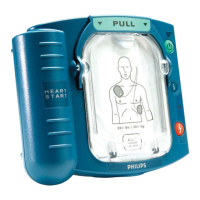
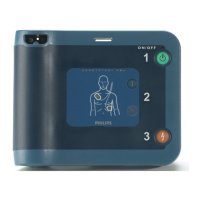
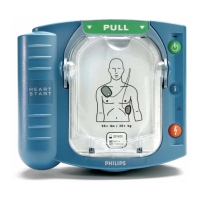
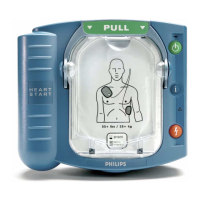
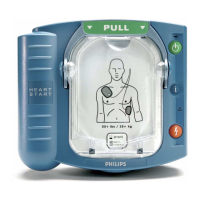
defibrillator The defibrillator contains electronic components. Do not dispose of it as
unsorted municipal waste. Collect such electronic waste separately and
dispose of it at an appropriate recycling facility according to your country's
regulations.
battery The battery cells contain chemicals. The chemistry used in each battery is
identified by a symbol on the label; symbols are defined in the defibrillator
User's Guide/Instructions for Use/Owner's Manual. Recycle the battery at an
appropriate recycling facility.
pads The used pads may be contaminated with body tissue, fluid, or blood. Cut
them off and dispose of them as infectious waste. Recycle the remaining
cartridge components at an appropriate recycling facility in accordance with
local regulations.



 To Next Page