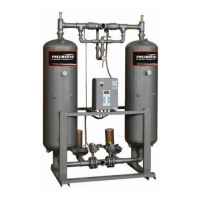
Table 1 — Troubleshooting Guide for PH Series Heatless Regenerative Dryers, continued
Symptoms Cause Remedy
D. No gas flow through the dryer. 1. Both inlet valves closed due to low
inlet pressure.
1. Manually open the inlet valve by
turning the shaft or the ON
actuator.
E. Failure to switch alarm light. 1. Inlet valves did not switch.
2. Faulty timer.
3. Insufficient pilot air pressure.
4. Cylinder leaking or seized up.
1. Check pilot air solenoid valve.
Repair if necessary.
2. Replace timer.
3. Clean or replace pilot filter
element.
4. Repair or replace pilot air cylinder.
F. High pressure drop in dryer. 1. Desiccant retainer screens
plugged.
2. Excess flow.
3. High purge flow.
4. Purge valve stays open.
5. Repressurizing valve stays open.
1. Replace desiccant retainer
screens.
2. Check inlet flow conditions.
3. Check and reset purge pressure.
4. Check repressurizing solenoid
valve, repair or replace if
necessary. Check timer.
5. See C4.
G. Dryer fails to purge. 1. Orifice plate plugged.
2. Purge valve fails to open.
3. Purge valve closed.
4. Purge check valve blocked.
1. Clean the orifice plate.
2. See F3.
3. Reset proper purge pressure.
4. Inspect purge check valve.
Replace if necessary.
H. High dewpoint alarm light. See chart on alarm conditions.
I. Moisture indicator color turned
translucent (wet conditions).
1. Bleed valve closed.
2. See probable cause on #1.
1. Open the bleed valve to allow
small amount of air to constantly
flow through the gel.
J. Tower fails to pressurize. 1. Purge valve stays open.
2. Repressurizing valve faulty.
1. See F3.
2. See C4.
K. Tower does not pressurize fully. 1. Inlet pressure low.
2. Purge pressure too low.
3. Repressurizing period too short.
1. Calibrate and plot purge pressure
and reset.
2. Reset proper purge pressure.
3. Check timer sequence of
operation.
L. Excess desiccant dust.
NOTE: If the regenerating tower does
not pressurize fully, desiccant attrition
takes place at the time of tower
switchover.
1. See J & K.
2. Excess flow due to greater demand
in process or addition of extra
compressors.
2. Check outlet flow.
21


 To Next Page