EasyManua.ls Logo

Quick MILL QM67 EVO - User Manual

Quick MILL QM67 EVO
25 pages
Print Icon
To Next Page IconTo Next Page
Loading...
QUICK MILL
QM67 EVO
INSTRUCTION MANUAL
Question and Answer IconNeed help?

Do you have a question about the Quick MILL QM67 EVO and is the answer not in the manual?

Summary

Introduction

First Time Set Up

Initial setup procedures including water hardness testing and reservoir preparation.

Before Each Use

Normal Operation

Gauges

Understand the steam and pump pressure gauges for monitoring machine operation and settings.

Lights

Pump

Water Reservoir

PID Controller W; Shot Timer

Setting Temperature

Procedure to adjust coffee and steam boiler temperatures using the PID controller's interface.

Advanced PID Settings

Brewing Espresso

Quantity of ground coffee

Proper technique for filling portafilter basket for even espresso extraction.

Tamping

Correct tamping pressure and polishing method for consistent espresso shots.

The grind

Adjust grind size for optimal espresso flow, aiming for a tapered mouse tail appearance.

Consistency

Emphasize consistent tamping and coffee quantity for predictable shot results.

Cooling Flush

Note that cooling flushes are not required for dual boiler machines.

Cleaning Tip

Rinse group head after brewing to prevent coffee oil buildup on the shower screen.

Steaming Milk - Basics

Milk

Whole milk is recommended for best steaming results and flavor.

Temperature

Steam milk to 150-160°F for creamy micro-foam; avoid overheating which burns milk.

Frothing Pitcher

Select an appropriate pitcher size for optimal milk steaming and pouring latte art.

Amount of Milk

Fill pitcher 1/3 to 1/2 full to prevent splashing or overflow during steaming.

Stretching the milk

Initial phase of frothing, introducing air until milk reaches ~100°F (body temperature).

Texturizing the milk

Second phase of frothing, creating smooth micro-foam by submerging the wand.

Steaming Milk - Technique

Purge Steam Wand

Purge the steam arm over the drip tray to remove condensation before steaming milk.

Positioning Steam Wand

Angle wand 45° and submerge tip 1" below milk surface for stretching milk.

Stretching Milk

Introduce air by keeping wand near surface until milk reaches ~100°F (body temperature).

Texturizing Milk

Submerge wand ~1" to spin milk, creating micro-foam until pitcher is too hot to hold (~150°F).

Steaming Milk - Tips

Shutting Off Steam

Keep steam wand tip submerged for 3 seconds after shutting off to preserve micro-foam.

Cleaning Steam Wand

Purge wand for 1-2 seconds and wipe immediately after use to prevent milk drying.

Avoid Turbulence

Lowering tip too far creates turbulence, preventing micro-foam formation.

Eliminate Bubbles

Tap pitcher and swirl milk to remove remaining bubbles after steaming.

Keep Milk Moving

Swirl steamed milk until ready to pour to prevent separation.

Hot Water Wand Operation

Using Hot Water Wand

Open hot water knob to dispense water; close when desired level is reached.

Maintenance

Backflushing

Learn the importance and procedure for plain water and cleaner backflushing.

Plain Water Backflushing

Perform weekly plain water backflushing to keep the shower screen clean.

Backflushing with Espresso Machine Cleaner

Use cleaner monthly or every 35-50 shots to maintain internal components.

Setting Pump (Brew) Pressure

Group Gasket And Shower Screen Replacement

Gasket and Screen Removal

Two methods provided for removing the group gasket and shower screen.

Cleaning The Group

Gasket And Screen Installation

Step 1

Insert screen into gasket with beveled side up; use lubricant for easier installation.

Maintenance Tip

Descaling

PID Controller

Cleaning The Stainless Steel

Troubleshooting

No Steam From Steam Wand

Check boiler pressure, steam tip, wand, and knob for blockages or improper function.

No Water From Hot Water Wand

Verify boiler pressure, check hot water knob, and note potential vapor lock issues.

Not Heating

PID and Heating Lights Are Not Working

PID Buttons Not Working

Espresso Coming Out Too Slow Or Not At All

Espresso Coming Out Too Fast

Warranty

We Are Here To Help

Summary

Introduction

First Time Set Up

Initial setup procedures including water hardness testing and reservoir preparation.

Before Each Use

Normal Operation

Gauges

Understand the steam and pump pressure gauges for monitoring machine operation and settings.

Lights

Pump

Water Reservoir

PID Controller W; Shot Timer

Setting Temperature

Procedure to adjust coffee and steam boiler temperatures using the PID controller's interface.

Advanced PID Settings

Brewing Espresso

Quantity of ground coffee

Proper technique for filling portafilter basket for even espresso extraction.

Tamping

Correct tamping pressure and polishing method for consistent espresso shots.

The grind

Adjust grind size for optimal espresso flow, aiming for a tapered mouse tail appearance.

Consistency

Emphasize consistent tamping and coffee quantity for predictable shot results.

Cooling Flush

Note that cooling flushes are not required for dual boiler machines.

Cleaning Tip

Rinse group head after brewing to prevent coffee oil buildup on the shower screen.

Steaming Milk - Basics

Milk

Whole milk is recommended for best steaming results and flavor.

Temperature

Steam milk to 150-160°F for creamy micro-foam; avoid overheating which burns milk.

Frothing Pitcher

Select an appropriate pitcher size for optimal milk steaming and pouring latte art.

Amount of Milk

Fill pitcher 1/3 to 1/2 full to prevent splashing or overflow during steaming.

Stretching the milk

Initial phase of frothing, introducing air until milk reaches ~100°F (body temperature).

Texturizing the milk

Second phase of frothing, creating smooth micro-foam by submerging the wand.

Steaming Milk - Technique

Purge Steam Wand

Purge the steam arm over the drip tray to remove condensation before steaming milk.

Positioning Steam Wand

Angle wand 45° and submerge tip 1" below milk surface for stretching milk.

Stretching Milk

Introduce air by keeping wand near surface until milk reaches ~100°F (body temperature).

Texturizing Milk

Submerge wand ~1" to spin milk, creating micro-foam until pitcher is too hot to hold (~150°F).

Steaming Milk - Tips

Shutting Off Steam

Keep steam wand tip submerged for 3 seconds after shutting off to preserve micro-foam.

Cleaning Steam Wand

Purge wand for 1-2 seconds and wipe immediately after use to prevent milk drying.

Avoid Turbulence

Lowering tip too far creates turbulence, preventing micro-foam formation.

Eliminate Bubbles

Tap pitcher and swirl milk to remove remaining bubbles after steaming.

Keep Milk Moving

Swirl steamed milk until ready to pour to prevent separation.

Hot Water Wand Operation

Using Hot Water Wand

Open hot water knob to dispense water; close when desired level is reached.

Maintenance

Backflushing

Learn the importance and procedure for plain water and cleaner backflushing.

Plain Water Backflushing

Perform weekly plain water backflushing to keep the shower screen clean.

Backflushing with Espresso Machine Cleaner

Use cleaner monthly or every 35-50 shots to maintain internal components.

Setting Pump (Brew) Pressure

Group Gasket And Shower Screen Replacement

Gasket and Screen Removal

Two methods provided for removing the group gasket and shower screen.

Cleaning The Group

Gasket And Screen Installation

Step 1

Insert screen into gasket with beveled side up; use lubricant for easier installation.

Maintenance Tip

Descaling

PID Controller

Cleaning The Stainless Steel

Troubleshooting

No Steam From Steam Wand

Check boiler pressure, steam tip, wand, and knob for blockages or improper function.

No Water From Hot Water Wand

Verify boiler pressure, check hot water knob, and note potential vapor lock issues.

Not Heating

PID and Heating Lights Are Not Working

PID Buttons Not Working

Espresso Coming Out Too Slow Or Not At All

Espresso Coming Out Too Fast

Warranty

We Are Here To Help

Overview

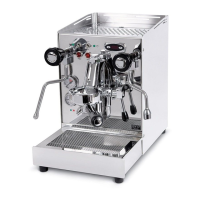
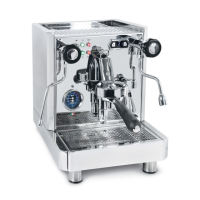
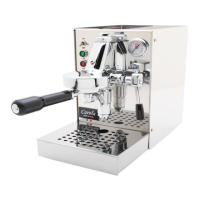
The device described in the manual is the Quick Mill QM67 EVO Dual Boiler Espresso Machine.

Function Description:

The QM67 EVO is a high-performance dual boiler espresso machine designed for making espressos, cappuccinos, and lattes. It combines classic aesthetics with advanced features to provide a superior coffee brewing experience. The dual boiler system allows for simultaneous brewing and steaming, enhancing efficiency and temperature stability. The machine is equipped with an E61 grouphead, known for its excellent thermal stability and pre-infusion capabilities, which contributes to consistent and high-quality extractions. A PID controller is integrated to precisely manage boiler temperatures, ensuring optimal brewing conditions and allowing users to fine-tune flavor profiles. The machine also includes a shot timer for monitoring extraction duration.

Important Technical Specifications:

  • Boiler System: Dual boiler (one for coffee, one for steam).
  • PID Controller: Integrated for precise temperature control of both coffee and steam boilers, and includes a shot timer.
  • Coffee Boiler Temperature Range: Recommended brew range is 195°- 205°F (90°- 96°C). Default setting is 200°F.
  • Steam Boiler Temperature: Default setting is 263°F, which corresponds to approximately 1.7 bars of steam pressure. This setting can be adjusted, but it's advised not to exceed 1.8 bar to prevent damage.
  • Pump: 52W vibratory pump, thermally protected.
  • Pump (Brew) Pressure: Regulated by an expansion valve. Recommended setting with a backflush disc is 9.5 - 10 bar. During espresso extraction, pressure is typically 8.5 - 9.5 bar.
  • Grouphead: E61 Grouphead.
  • Gasket: Uses an E61 8.5mm group gasket.
  • Water Reservoir: Located under a hinged lid on the cup warming tray. Capacity is not explicitly stated but it may take 2 reservoirs to completely fill both boilers during initial setup.
  • Hot Water Wand Temperature: Approximately 250°F.
  • Electrical Requirements: 3-prong 115V grounded outlet. A 3-prong grounded timer rated for 15 amps can be used. GFCI outlet is highly recommended.
  • Warm-up Time: Approximately 15 minutes to reach temperature, but 30-45 minutes with the portafilter in the grouphead is recommended for optimal performance and crema.
  • PID Settings (Advanced):
    • F.01: Fahrenheit (F) or Celsius (C) Mode.
    • F.02: Priority Mode (4 for Coffee Boiler Priority - Default, 5 for Steam Priority).
    • P: Proportional (2.2).
    • I: Integral (.06).
    • D: Derivative (1.6).
    • T1: Coffee Boiler Temperature (200°).
    • T2: Steam Boiler Temperature (263°).
    • E1: Coffee Boiler Offset (20°).
    • E2: Steam Boiler Offset (0°).
  • Warranty: 2-year parts and labor warranty from the original date of purchase, covering defects in materials or workmanship. Void if damaged by abuse, neglect, or modification.

Usage Features:

  • First Time Setup: Involves water hardness testing (recommended 3 grains/50 ppm or less), filling the water reservoir with softened water, ensuring steam and hot water knobs are closed, and power switches are off before plugging in. The machine then fills boilers and heats up. A crucial step is lifting the brew lever to allow water to flow through the portafilter for at least 15 seconds after boilers are filled.
  • Normal Operation: Features indicator lights for coffee and steam boiler power and heating status. The PID display cycles to show current temperatures for both boilers.
  • Temperature Setting: Users can easily adjust coffee and steam boiler temperatures via the PID controller.
  • Brewing Espresso: Emphasizes three main variables: quantity of ground coffee, tamping consistency (30lbs pressure), and grind size. A proper grind should produce a flow resembling a mouse's tapered tail, taking approximately 25 seconds for a 2 oz. double shot. No cooling flush is needed for dual boiler machines.
  • Steaming Milk: Detailed instructions for achieving micro-foam, including tips on milk type (whole milk), temperature (150-160°F), frothing pitcher size (1/3 to 1/2 full, not larger than 20oz), "stretching" (adding air until 100°F/body temperature), and "texturizing" (submerging wand to roll milk until 155°F/pitcher too hot to hold). It's recommended to steam milk before pulling a shot.
  • Hot Water Wand: Operates using steam pressure. Caution is advised due to high water temperature (250°F) and pressure. Users should not remove more than 6oz of water at a time to prevent heating element damage.
  • PID Shot Timer: Automatically activates when the brew lever is lifted and the pump is on, displaying the shot duration on the PID.

Maintenance Features:

  • Water Reservoir Cleaning: Should be cleaned weekly with mild dish detergent. Periodically sanitize with white vinegar to remove mineral deposits, followed by baking soda and dish detergent if needed. Do not put in dishwasher.
  • Backflushing: A vital procedure.
    • Plain Water Backflushing: Recommended at least once a week. Uses a backflush disc in the portafilter. Involves raising the brew lever for 15 seconds, then lowering it, repeating 3-5 times.
    • Backflushing with Espresso Machine Cleaner: Recommended monthly or every 35-50 espressos. Involves placing 1/4 teaspoon of cleaner into the backflush disc, performing the same flush procedure until water runs clear, then rinsing the portafilter and wiping the group. A "cure shot" of espresso is recommended afterward. Overuse of cleaner is discouraged.
  • Setting Pump (Brew) Pressure: Involves installing a backflush disc, removing the cup warming tray to access the expansion valve adjustment screw, raising the brew lever, and turning the screw clockwise to increase pressure or counter-clockwise to decrease it.
  • Group Gasket and Shower Screen Replacement: Recommended yearly. The machine uses an E61 8.5mm gasket. Instructions detail two methods for removal (prying with a screwdriver/spoon or using a scratch awl/ice pick for older gaskets) and a multi-step installation process (inserting screen into gasket, then into portafilter, then pressing into grouphead). Cleaning the grouphead thoroughly before installation is crucial.
  • Descaling: Strongly discouraged by the manufacturer due to potential damage to electrical components, chrome plating, or blockages. Not necessary if softened water is used.
  • PID Controller Maintenance: If buttons become unresponsive due to oxidation, rapidly and repeatedly pressing the up and down arrows with the machine off can help clean the contacts.
  • Cleaning Stainless Steel: Specialty stainless steel cleaners or glass cleaner can be used. White vinegar can remove water stains. Buffing with a dry, lint-free cloth provides a mirror finish.

Quick MILL QM67 EVO Specifications

General IconGeneral
BrandQuick MILL
ModelQM67 EVO
CategoryCoffee Maker
LanguageEnglish

Related product manuals