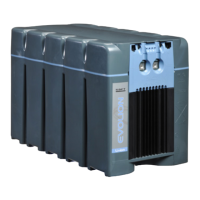
In general terms, for every 9°C
increase in temperature over the
normal operating temperature of
25°C, the reduction in service life
for a nickel-cadmium battery will
be 20%, and for a lead acid battery
will be 50%. In high temperature
situations, therefore, special
consideration must be given to
dimensioning the nickel-cadmium
battery. Under the same conditions,
the lead-acid battery is not a practical
proposition, due to its very short
lifetime. The VRLA battery, for
example, which has a lifetime of
about 7 years under good conditions,
has this reduced to less than 1 year,
if used at 50°C.
15
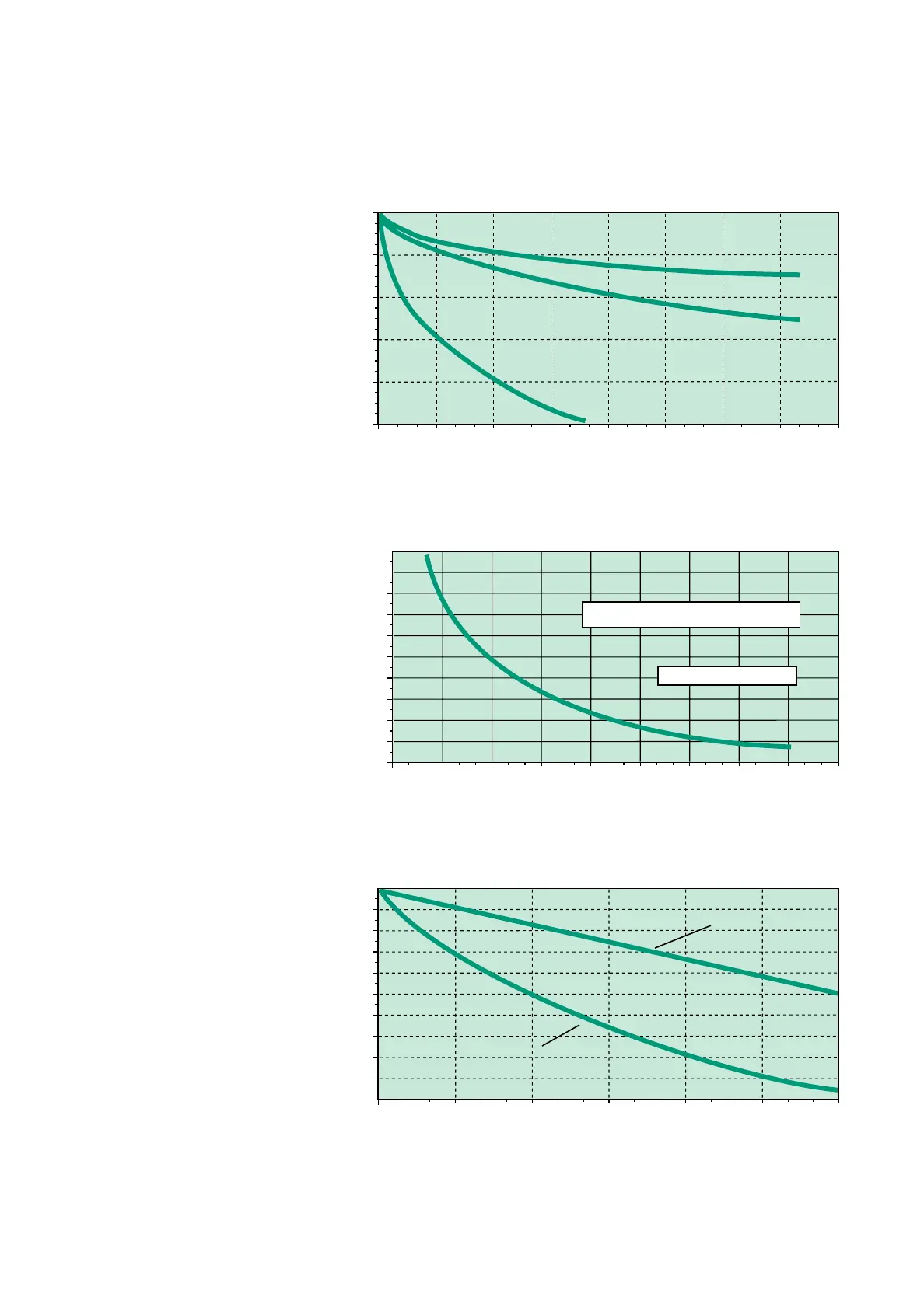
Figure 2 - Capacity loss on open circuit stand
100
90
80
70
60
50
0 50 100 150 200 250 300 350 400
Percentage of initial capacity (%)
+ 40°C
Open circuit period (days)
0°C
+20°C
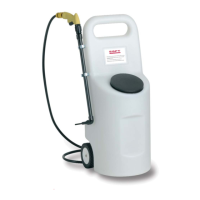
Figure 3 - Typical cycle life versus depth of discharge
10 000
9 000
8 000
7 000
6 000
5 000
4 000
3 000
2 000
1 000
0
10 % 20 % 30 % 40 % 50 % 60 % 70 % 80 % 90 % 100 %
Cycles
Depth of discharge
Cycle life versus depth of discharge expressed
as a percentage of the rated capacity
Temperature +20°C
Figure 4 - Effect of temperature on lifetime
100
90
80
70
60
50
40
30
20
10
0
25 30 35 40 45 50 55
Percentage of 25°C lifetime
Temperature °C
Nickel-cadmium
Lead acid
BlockBat 3/11/98 10:12 Page 18
Home Back Home Back Home Back



 To Next Page